
The Sports Car That Balances Emotion And Logic Better Than Most
On paper, today’s sports cars have never been better. But there’s a catch. In the pursuit of speed, some qualities that once made sports cars so engaging have gradually faded. Added complexity, hybrid powertrains, and ever-increasing weight have slowly edged lightweight precision out of the equation.

That’s why simpler sports cars continue to captivate enthusiasts. Whether it’s the Porsche 718 Boxster, the ever-cool Mazda MX-5, or countless other drivers’ cars, they remind us that sometimes less really is more. Simpler cabins, fewer distractions, and a greater connection between driver and machine remain a winning formula. Few cars captured that philosophy better than one unlikely Japanese roadster. Before we get there, it’s worth looking at why so many enthusiasts continue searching for analog driving experiences.
Why Enthusiasts Still Crave Analog Sports Cars
Modern Performance Cars Have Become Too Complicated
Performance has never been more accessible.Family sedans now produce more powerthan yesterday’s supercars, while hot hatches can sprint to 60 mph in under five seconds. But as manufacturers chase ever-faster lap times and bigger numbers, many enthusiasts believe something has been lost. Turbochargers, electric power steering, and sophisticated driver aids have made modern performance cars faster, safer, and more capable than ever. Yet they’ve also made them more complicated, creating a layer of separation between the driver and the machine. Rather than demanding skill and rewarding precision, some sports cars now feel almost effortless instead of truly engaging.


I keep coming back to the Mercedes-AMG C63 S E Performance. After driving it, I can honestly say it’s an engineering masterpiece and the fastest, most powerful C63 ever built. But in chasing outright performance, it lost some of the raw character that made the previous rear-wheel-drive V8 cars so memorable. It’s quicker, more advanced, and sharper, yet it lacks some of the soul that enthusiasts fell in love with. And it’s not the only example.
As manufacturers embrace electrification and increasingly sophisticated technology, performance cars continue evolving at a remarkable pace. They’re objectively brilliant, but they also raise an important question: in the race to become faster and smarter, have we sacrificed some of the emotional connection that once defined great sports cars? Perhaps that’s why analog sports cars continue to command such loyalty. Their appeal lies in their honesty.
The Bulletproof Japanese Sports Car You Can Actually Daily Drive
A lightweight, rear-wheel-drive coupe with a naturally aspirated engine proves that bulletproof engineering and everyday usability can still coexist.
The Honda S2000 Quietly Mastered The Balance
High-Revving Emotion Without Supercar Excess

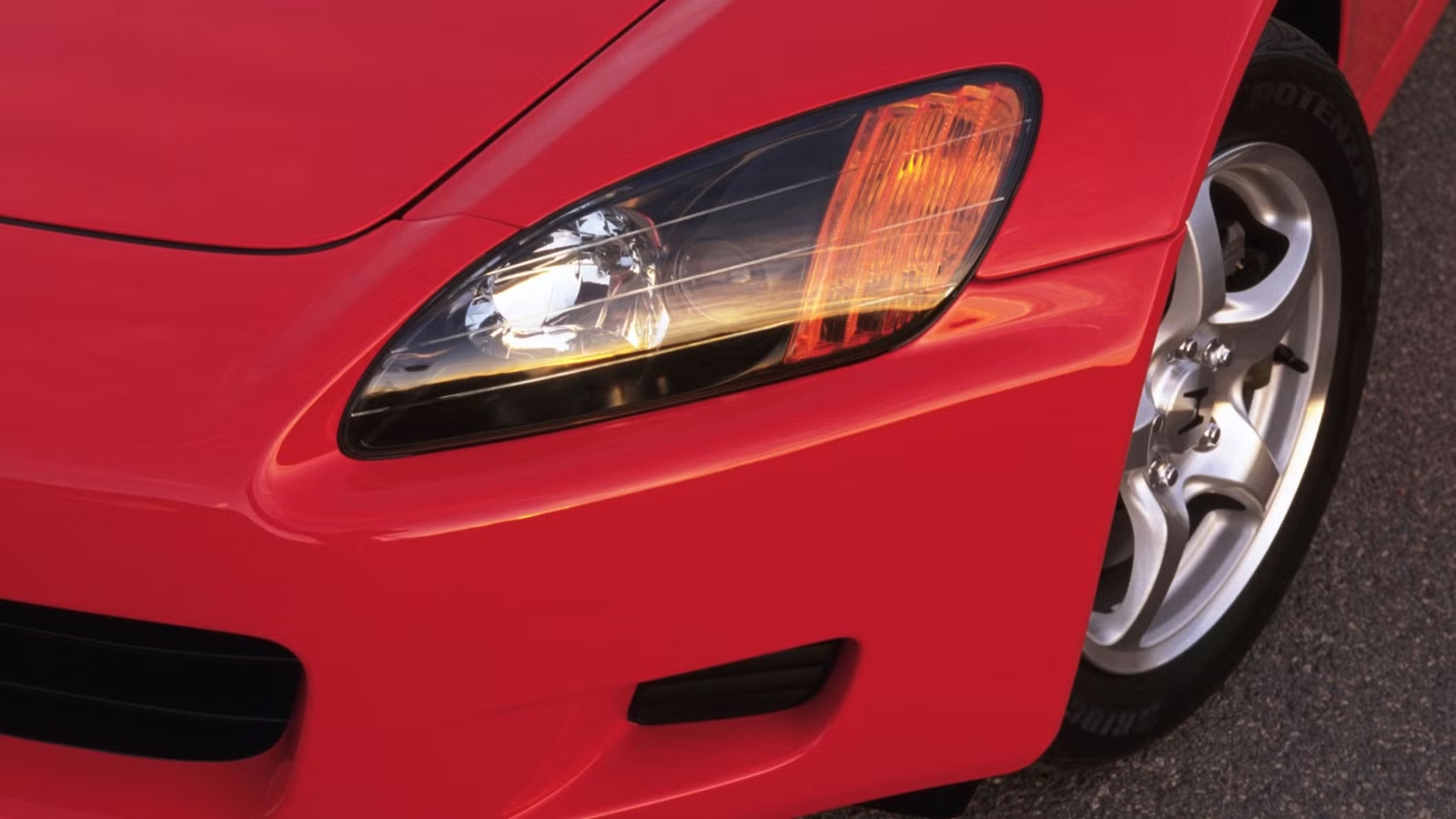
Few cars embody that philosophy better than the Honda S2000. Introduced in 1999 to celebrate Honda’s 50th anniversary, the lightweight rear-wheel-drive roadster arrived at a time when many sports cars were becoming larger, heavier, and more powerful. Rather than relying on huge power figures or brute-force acceleration, Honda created one of the purest driver’s cars of its era. At its heart was Honda’s naturally aspirated four-cylinder engine. Early models used the legendary 2.0-liter F20C, producing 240 horsepower and revving to 9,000 rpm, while later North American models adopted the larger 2.2-liter F22C1, trading a small amount of peak power for improved mid-range torque.

But the numbers only tell part of the story. During its original comparison test, Car and Driver wrote that the S2000 “doesn’t come to life until its electronic tach hits six grand,” yet once VTEC engaged, the engine became one of the most exhilarating naturally aspirated powerplants of its era. The publication praised its “raceworthy engine” and remarked that it “seemed capable of revving forever.”
Honda S2000 Specifications (2000–2009)
|
2000–2003 (AP1) |
2004–2009 (AP2 – U.S.) |
|
|
Engine |
2.0L DOHC VTEC I4 (F20C) |
2.2L DOHC VTEC I4 (F22C1 |
|
Horsepower |
240 hp |
237 hp |
|
Torque |
153 lb-ft |
162 lb-ft |
|
Redline |
9,000 rpm |
8,200 rpm |
|
Transmission |
6-speed manual |
6-speed manual |
|
Drivetrain |
Rear-wheel drive |
Rear-wheel drive |
|
Weight Distribution |
50:50 |
50:50 |
|
0–60 mph |
5.7 sec |
5.5 sec |
|
Top Speed |
150 mph |
150 mph |
|
Original MSRP |
$32,300 |
$34,000 (approx.) |
Road & Track later echoed that sentiment, describing the S2000 as “a machine that demands participation” rather than one that delivers effortless speed. Rather than relying on brute force or endless torque, the Honda rewarded commitment, encouraging drivers to chase every last rev. That willingness to involve the driver is exactly why the S2000 remains one of the most celebrated sports cars of the modern era.
The Four-Cylinder Sports Car That Feels Faster Than It Should
This compact sports sedan delivers a level of speed, confidence, and agility that makes it feel far quicker than its specifications suggest.
What Made The S2000 So Addictive To Drive
Precision And Engagement At Every Speed

The engine may have stolen the headlines, but the Honda S2000’s brilliance extended far beyond its VTEC soundtrack. Its front-mid-engine layout, near-perfect 50:50 weight distribution, and lightweight chassis gave it remarkable balance through corners. Road & Track praised its “telepathic steering,” while Evo described it as one of the most rewarding driver’s cars of its era thanks to its precision and responsiveness.

Rather than relying on brute force, the Honda encouraged drivers to carry momentum, work through its beautifully weighted six-speed manual gearbox, and chase every last rev. That combination made even ordinary roads feel special—a level of driver involvement many performance cars, despite their superior performance figures, still struggle to match.
The Cabin Reflected That Same Philosophy
Rather than being luxury-driven or loaded with unnecessary technology, Honda designed the S2000 around the driver. It may be basic in execution, but that is part of the charm. MotorTrend praised its “businesslike cockpit” and purposeful driving position. With its low seating position, compact dimensions, and straightforward controls, the S2000 delivered a level of intimacy between driver and machine that many new high-performance cars have lost in the pursuit of larger screens and additional features.
The Daily Driver With Japanese Reliability And Porsche-Level Driving Feel
Discover how the Toyota GR86 delivers a Porsche-like drive at an affordable price—blending reliability with everyday thrills.
Why The S2000 Also Made Sense Financially
Reliability And Simplicity Helped It Age Gracefully

Many high-performance sports cars become expensive propositions as they age, with complex electronics and costly maintenance gradually eroding the ownership experience. The Honda S2000 followed a different path. Honda’s reputation for engineering durability translated remarkably well into its roadster. The naturally aspirated F20C and later F22C1 engines avoided the added complexity of turbocharging, while the straightforward mechanical layout helped keep routine maintenance manageable.
Consumer Reports has consistently ranked Honda among the industry’s most reliable automotive brands. That reputation is reflected in the S2000’s standing within the enthusiast community, with Hagerty describing the roadster as one of the most dependable modern sports cars and noting that properly maintained examples are capable of exceptionally high mileage.
That Reliability Is Only Part Of The Story

The S2000 has also become increasingly scarce. Honda built the roadster for just ten years before ending production in 2009, and there has never been a direct successor. As clean, unmodified AP1 and AP2 models become harder to find, demand has continued to grow among enthusiasts and collectors alike. That growing demand has transformed the S2000 from an affordable used sports car into a genuine modern classic.
A 2000 S2000 carried a starting MSRP of around $32,300, yet pristine, low-mileage examples now regularly command between $70,000 and well over $100,000. Bring a Trailer has become one of the clearest indicators of that demand. In 2021, a 985-mile S2000 CR sold for $112,111, setting a then-record for the model and reinforcing its growing collector status.
Not every S2000 commands six figures, of course. Market data from Classic.com shows well-kept examples commonly trading between $40,000 and $55,000, while exceptional low-mileage cars continue to command significant premiums. That demand isn’t driven solely by nostalgia. It also reflects the S2000’s unique combination of analog driving enjoyment, Honda reliability, and limited production.
Running Costs Also Remain Sensible By Sports Car Standards

Parts are still widely available, specialist knowledge is extensive, and Honda’s reputation for reliability only strengthens the S2000’s appeal. RepairPal ranks Honda first among 32 automotive brands for reliability, citing lower-than-average repair costs and fewer unscheduled workshop visits than the industry average. Combined with the S2000’s mechanical simplicity, proven durability, and outstanding value retention, it’s one of the rare sports cars that appeals equally to enthusiasts and collectors. More than two decades after its debut, it remains a performance car that can be driven, enjoyed, and owned with confidence.
The Performance Car That Makes Long-Term Sense
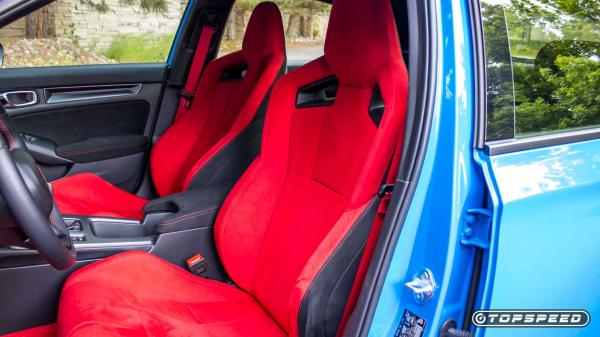
315 horsepower, Honda reliability, and residuals that hold. This quick car isn’t just the best hot hatch on sale. It’s the smartest.
The Rare Sports Car That Never Needed To Pretend
Why The S2000 Still Feels So Special Today

The automotive landscape has changed dramatically since the S2000 left production. Electrification is gathering pace, turbocharging has become almost universal, and manual gearboxes are steadily disappearing from showroom floors. Modern sports cars are objectively quicker, safer, and more technologically advanced, yet very few deliver the same purity of experience.
That’s precisely why the S2000 continues to enjoy such a devoted following. While today’s rivals—including the Mazda MX-5, Toyota GR86, BMW Z4, and Porsche 718 Boxster—each excel in different areas, none quite combine a 9,000-rpm naturally aspirated engine, a slick six-speed manual gearbox, near-perfect balance, and Honda’s renowned reliability in the same package. As Road & Track has observed, the S2000 remains one of the benchmark driver’s cars of the modern era, while Hagerty continues to rank it among the most desirable Japanese performance cars for collectors and enthusiasts alike.

Perhaps most importantly, the S2000 proved that excitement and sensibility don’t have to exist at opposite ends of the spectrum. It delivered genuine sports-car thrills without sacrificing reliability, everyday usability or long-term ownership confidence. The S2000 was not engineered to impress during a brief test drive or to dominate social media with outrageous performance figures. It was built around the idea that driving should be rewarding every single time you get behind the wheel. More than two decades after its debut, that philosophy feels even more relevant than it did in 1999. The greatest sports cars aren’t always the fastest. They’re the ones that leave you smiling long after you’ve switched off the engine, and searching for the next excuse to take the long way home. The Honda S2000 still does exactly that.
Sources: Honda, J.D. Power, Repairpal, Bring A Trailer, Hagerty, Classic.com

Related posts

Latest Post


No Comments