
The Sport-Tourer With Kawasaki Reliability And Ducati-Adjacent Performance For Under $15K
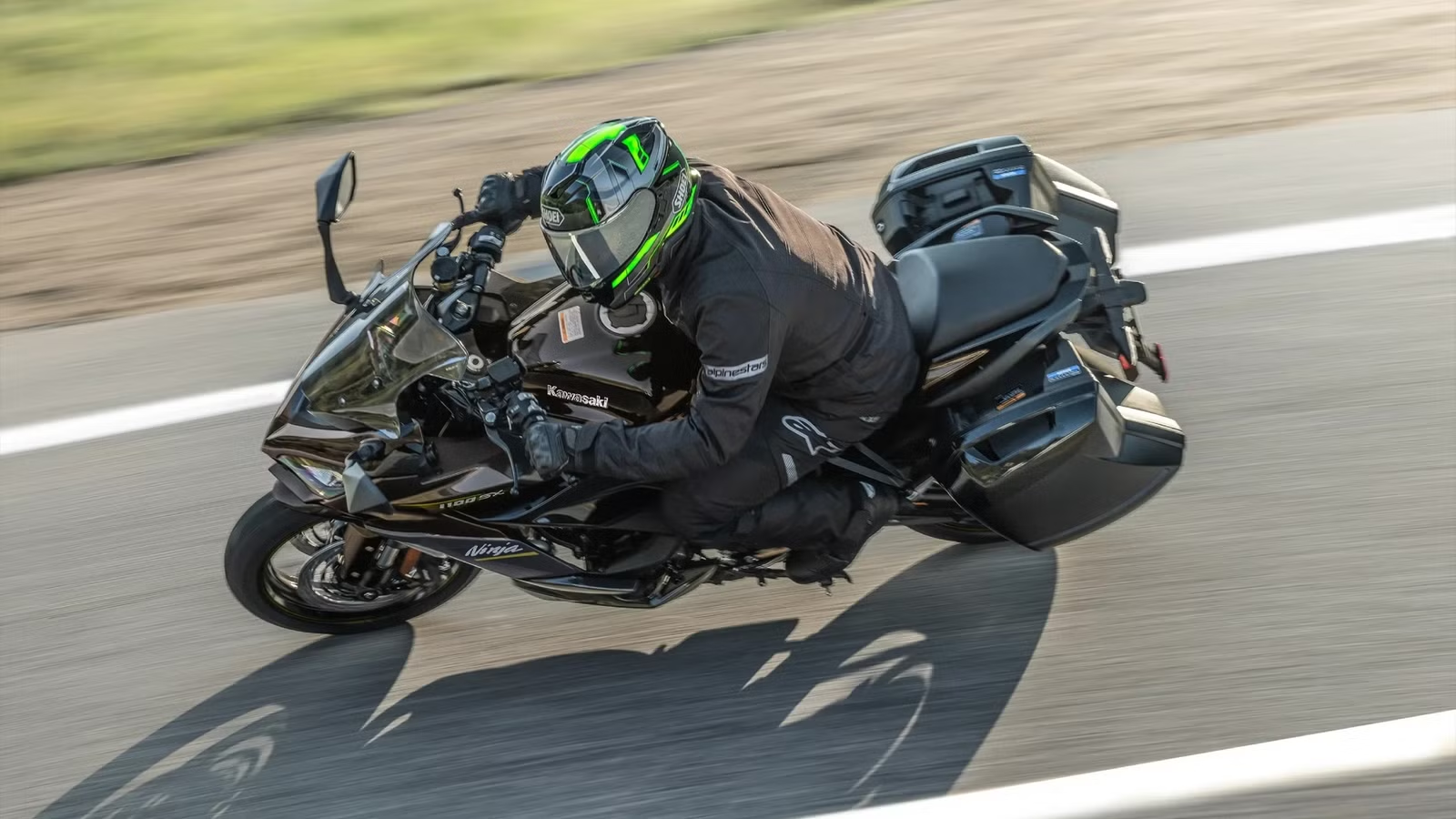
One can circumnavigate the globe on practically any kind of motorcycle that has the essentials in place. It’s more of a willpower game than the specifications of the machine. However, when it comes to gobbling up the road blisteringly quick, in utmost comfort, and with the assurance of reliable safety aids, very few categories of bikes come close to sport tourers and there’s no dearth of some brilliant options to choose from in the US market.

Offerings like the BMW R 1300 RT and the Ducati Multistrada V4 S pack everything that you would need to make a 500-mile-in-a-day sprint a breeze – both will make your highway expeditions a cakewalk. On the flip side, what comes as a compromise is an eye-watering price tag. Whichever of the two you choose, you’ll have to be ready to shell out north of $20,000. Deck them up with touring-centric add-ons and the price even inches close to $30,000. This might not sound absurd, until you bring a Japanese contender into consideration. One which not only costs half of what its alternatives demand, but also offers similar levels of performance and tech. And if you’re ready to miss out on a few fancy bits of its Italian and German counterparts, you save up enough to afford a second, more specialized motorcycle.
Why $25K Sport-Tourers Feel Like A Tax On Enthusiasm
Premium sport tourers like the Ducati Multistrada V4 S pack radar-assisted cruise control, electronically adjustable suspension, and plenty of other high-tech luxuries. But do you really need all those gadgets, especially at such a steep price? More affordable sport tourers deliver much of the same comfort, performance, and essential safety features without breaking the bank. Sure, a 134-horsepower machine might not match the 170-horsepower Multistrada, but it’s hardly slow. For under $20,000, you can still enjoy everything that makes sport touring great without paying extra for technology you might never need.

The 140 hp Kawasaki Ninja 1100SX with IMU and a Price That Undercuts the Field

The Kawasaki Ninja 1100SX is among the best-value sport tourers, starting at $13,999 for the standard model and $15,799 for the SE. Its 1,043cc inline-four produces 134 horsepower and 83.2 lb-ft of torque, delivering strong midrange performance and excellent refinement.
Despite its affordable price, the Ninja packs cornering management, traction control, a bidirectional quickshifter, and a 4.3-inch TFT with Bluetooth connectivity. Weighing around 518 pounds, it’s also relatively light for a full-size sport tourer. Its 18.9-liter fuel tank delivers a reported range of nearly 200 miles, making it a capable long-distance machine.
What You Keep And What You Actually Give Up

The crux of the matter is how much you actually lose after paying significantly less for the Ninja 1100SX. For starters, the creamy inline-four engine has a power and torque output deficit over the Ducati and BMW both. However, the question is – is the difference big enough to be a dealer breaker at all? The table attached below clearly shows that the Multistrada’s 170 hp is the only factor which creates a considerable difference.
|
Model |
Displacement |
Power |
Torque |
|
Kawasaki Ninja 1100SX |
1,099cc |
134 hp |
83.2 lb-ft |
|
BMW R 1300 RT |
1,300cc |
145 hp |
110 lb-ft |
|
Ducati Multistrada V4 S |
1,158cc |
170 hp |
92 lb-ft |
Affordable Japanese sport tourers offer many of the same essential safety features as their European rivals, including IMU-based cornering aids, cruise control, and bidirectional quickshifters. What they lack are premium extras like adaptive cruise control, collision warnings, blind-spot monitoring, and semi-active suspension. The Ducati Multistrada V4 S even offers automatic lowering at stops. While these features add convenience and safety benefits, they’re hardly essential for an enjoyable long-distance ride.
A multi-day trip on a motorcycle also means hauling some luggage, and that often brings in the added expense of a luggage system. The Ninja 1100SX seems less demanding in that regard as Kawasaki lists Ninja’s hard saddle bags (56-litre capacity) in its accessory catalog for under $900. Ducati’s aluminum side panniers (76-litre capacity) for the Multi, meanwhile, set you back by $1,622.
The Everyday Sport-Tourer That Still Corners

The Kawasaki Ninja 1100SX combines sharp handling with impressive long-distance comfort. Its twin-spar aluminum chassis, responsive steering geometry, and relatively short wheelbase make it particularly agile. In fact, Roadrunner praised the older Ninja 1000SX for offering more direct steering and chassis feedback than the BMW R1250RS.
Despite its aggressive styling, the Ninja offers a roomy seat, relaxed riding position, and four-way adjustable windscreen to reduce fatigue. Integrated luggage mounts further enhance its touring credentials, making it equally capable on twisty roads and multi-day adventures.
The Two-Bike Budget Math

The price gap between Japanese and European sport tourers makes the Kawasaki Ninja 1100SX even more appealing. The BMW R 1300 RT starts at $22,495, while the Ducati Multistrada V4 S Travel & Radar costs around $28,995. Meanwhile, the Ninja 1100SX SE costs just $15,799, including upgraded Öhlins suspension, Brembo brakes, and heated grips.
That’s a saving of roughly $7,000 to $13,000 over its European rivals. Sure, you sacrifice some premium technology, but the money saved could fund countless road trips, premium riding gear, or even a second motorcycle for weekend trail rides or track days.
The Underdog That Makes Flagships Look Overbuilt
The Kawasaki Ninja 1100SX proves that a great sport tourer doesn’t need expensive gadgets. Its punchy 134-horsepower inline-four, responsive chassis, comfortable ergonomics, and essential electronic aids deliver everything most riders need. Its relatively unstressed engine also promises long-term reliability and manageable maintenance costs.
Sure, you lose electronically adjustable suspension, adaptive cruise control, and blind-spot monitoring. But considering the significant savings, those compromises are easy to justify. After all, why spend a fortune on one tech-heavy motorcycle when you could have the Ninja and another bike in your garage?

Related posts

Latest Post


No Comments