
Ford’s $30K EV Pickup Website Is Live—Here’s What The Slate Rival Actually Promises Truck Buyers
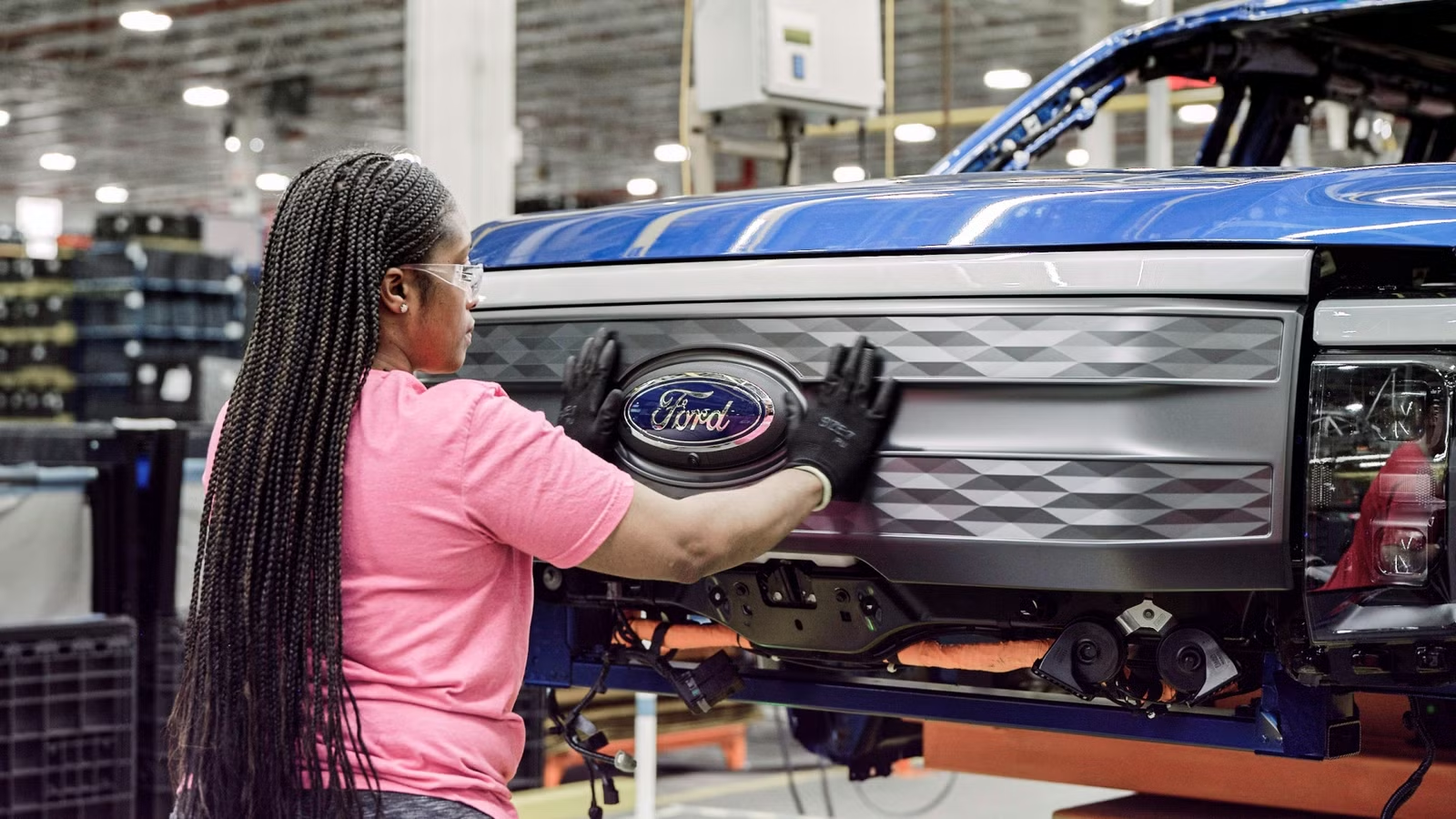
Ford quietly launched a dedicated website for its sub-$30,000 electric pickup this week, putting a concrete face on a project that had existed mostly as teasers and trade speculation. The timing is pointed: Slate, the startup backed by Amazon founder Jeff Bezos, is simultaneously ramping toward production of its own stripped-down electric truck, with a leaked starting price of $24,950 surfacing just days ago. Two trucks, two radically different ideas about what an affordable work EV should be—and now buyers can start comparing them directly.

The two trucks don’t just compete on price. They represent opposing philosophies about what “no-frills” actually means. Ford is approaching the segment from the inside out—a mainstream automaker with dealer infrastructure, warranty networks, and Maverick DNA to draw on. Slate is approaching it from scratch, betting that buyers will trade features for a lower sticker and the freedom to customize later. Which philosophy wins depends entirely on what kind of truck buyer you are.
What Ford’s Website Reveals About Its Sub-$30K EV Pickup
Ford’s newly launched site describes a compact electric pickup positioned below the Maverick in size—reports from an exclusive early look characterized it as “way smaller than you think,” suggesting dimensions closer to a compact car-based truck than a traditional midsize. The sub-$30,000 price point is the headline, but Ford has framed the truck as a genuine work vehicle rather than a lifestyle accessory, with an emphasis on utility and range adequate for daily hauling.

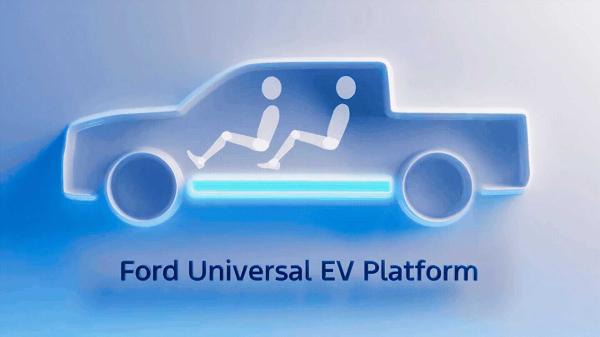
Ford has also been investing in the underlying technology: the company recently began U.S. production of LFP (lithium iron phosphate) battery cells for its next-generation EV platform, which is expected to underpin this truck. LFP chemistry trades peak energy density for lower cost and longer cycle life—a deliberate choice for a vehicle targeting value-conscious buyers who will put real miles on it. The site does not yet publish a full configurator with locked-in specs, but reservation mechanics are live, signaling a production timeline aimed at 2027.
Ford’s New EV Pickup Caught On Video, And It Looks A Bit Familiar
Ford’s $30,000 electric pickup prototype caught on video reveals Maverick-like proportions.
Slate’s Approach: Start Bare, Build From There

Slate’s truck takes the opposite path. Where Ford is delivering a finished, spec’d product at a low price, Slate’s model is deliberately incomplete at purchase—the company’s pitch is a base vehicle stripped to essentials, with an extensive catalog of add-ons that let buyers customize over time. The leaked $24,950 starting figure generated significant attention precisely because it undercuts almost everything on the market, but that number likely reflects the most basic configuration.
Slate has been transparent about the trade-offs. The base truck is expected to ship without features many buyers consider standard—advanced driver assists, a large infotainment screen, and premium interior materials are all optional upgrades rather than defaults. The bed is functional and straightforward. Range figures for Slate’s production truck have not been officially confirmed, but the startup has described the vehicle as purpose-built for shorter urban and suburban work cycles rather than long-haul towing. Slate is currently ramping toward production, with deliveries anticipated in the near term.
Head-to-Head: What Each Truck Actually Offers Work Buyers

The contrast between the two trucks sharpens when you look at what each prioritizes. Ford brings a known quantity: an established service network, federal safety certification experience, and the credibility of the Maverick platform—a truck that proved compact, affordable pickups have a real market in the U.S. Ford’s EV pickup is expected to carry that practical-first DNA forward, with mainstream tech integration and the kind of warranty support that fleet buyers and small-business owners rely on.
Slate’s value proposition is price and flexibility. A buyer who wants the lowest possible entry point and is willing to add features incrementally—or who genuinely doesn’t need them—gets a truck that no traditional automaker is currently willing to build. The risk is the opposite of Ford’s: a startup without a dealer network, an unproven service infrastructure, and a production ramp that has yet to be tested at scale. For buyers weighing the two, the decision likely comes down to trust and use case. Ford is the safer bet for anyone who needs a truck that works on day one, fully supported. Slate is the bet for buyers who want to own the cheapest electric work vehicle available and are comfortable with the trade-offs that come with it.
Both trucks point to the same underlying reality: the sub-$30,000 electric pickup is no longer a concept. It’s a product category, and it’s arriving in 2026 and 2027 with two very different answers to what truck buyers actually need. Watch Ford’s reservation numbers and Slate’s first production deliveries—those data points will tell the real story.
Sources: WANE 15, Car & Driver, Torque News, CBT News, The Autopian, Automotive News

Related posts




Latest Post


No Comments