
The Motorcycle That’s Surprisingly Cheap To Own
Motorcycles are rarely judged by the number that matters most over time. Riders obsess over horsepower, styling, sound, brand cachet, and whether the bike looks expensive enough to impress strangers at a gas station. But after the honeymoon phase, the real relationship is built around fuel stops, tires, service bills, insurance, parts availability, and whether the bike asks for too much drama.

That’s where some motorcycles become easier to love the longer you live with them. They may not be the flashiest machines in the showroom, but they offer enough performance to stay exciting, enough comfort to commute without resentment, and enough mechanical simplicity to keep ownership costs reasonable. The best ones don’t just save money. They make cheap ownership feel like a feature, not a compromise.
Cheap To Buy Is Not The Same As Cheap To Own
A low sticker price can be seductive, but it doesn’t always tell the whole story. A motorcycle can be affordable to purchase and still become annoying once the bills start stacking up. Expensive tires, short service intervals, fragile bodywork, thirsty engines, complex electronics, and hard-to-source parts can turn a “good deal” into something that quietly empties your wallet one weekend at a time.
Running Costs Matter More


The motorcycles that make the most sense are usually the ones that stay predictable after the first payment. Fuel economy matters because every ride eventually passes a gas station. Tire sizes matter because odd fitments can make replacements costly. Weight matters because it affects consumables, wear, and how stressful the bike is to manage every day. Even the engine layout matters, because a straightforward twin is easier to live with than something built to win spec-sheet arguments.
There’s also something refreshing about a motorcycle that doesn’t treat every ride like a software event. Modern rider aids are great when they solve a real problem, but they also add cost, sensors, modules, and potential failure points. A bike with a proven engine, basic hardware, normal maintenance needs, and no obsession with electronic theater can be far easier to keep on the road for years. That matters more than people admit.
The Yamaha That Reminds You Why Riding Is Fun
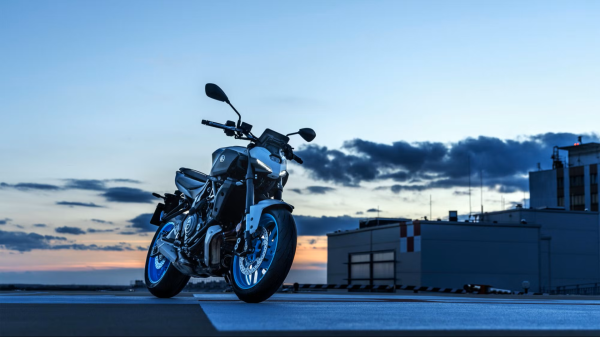
This middleweight Yamaha naked bike prioritizes fun and engagement above all else.
Middleweight Twins Hit The Ownership Sweet Spot

This is why the middleweight twin category remains one of the most sensible places to shop. These bikes are usually quick enough for highways, fun enough for back roads, and approachable enough for newer riders who don’t want a motorcycle that feels like it’s constantly waiting for them to make a mistake. They also tend to avoid the ownership baggage that comes with bigger, heavier, more complicated machines.
Enough Power Without Liter-Bike Expenses

A good middleweight twin gives riders the part of performance they actually use most often. The torque is accessible, the engine isn’t begging to be revved into legal trouble, and the chassis doesn’t need exotic parts to feel responsive. You get useful speed for highway merges, back-road fun, and everyday passing without supersport tire bills, heavyweight brake wear, or the kind of fuel consumption that makes every commute feel like a tiny financial decision. It’s the kind of performance that stays enjoyable because it doesn’t constantly punish the rider for using it.
The Yamaha XSR700 Is Handsome And Surprisingly Cheap To Own

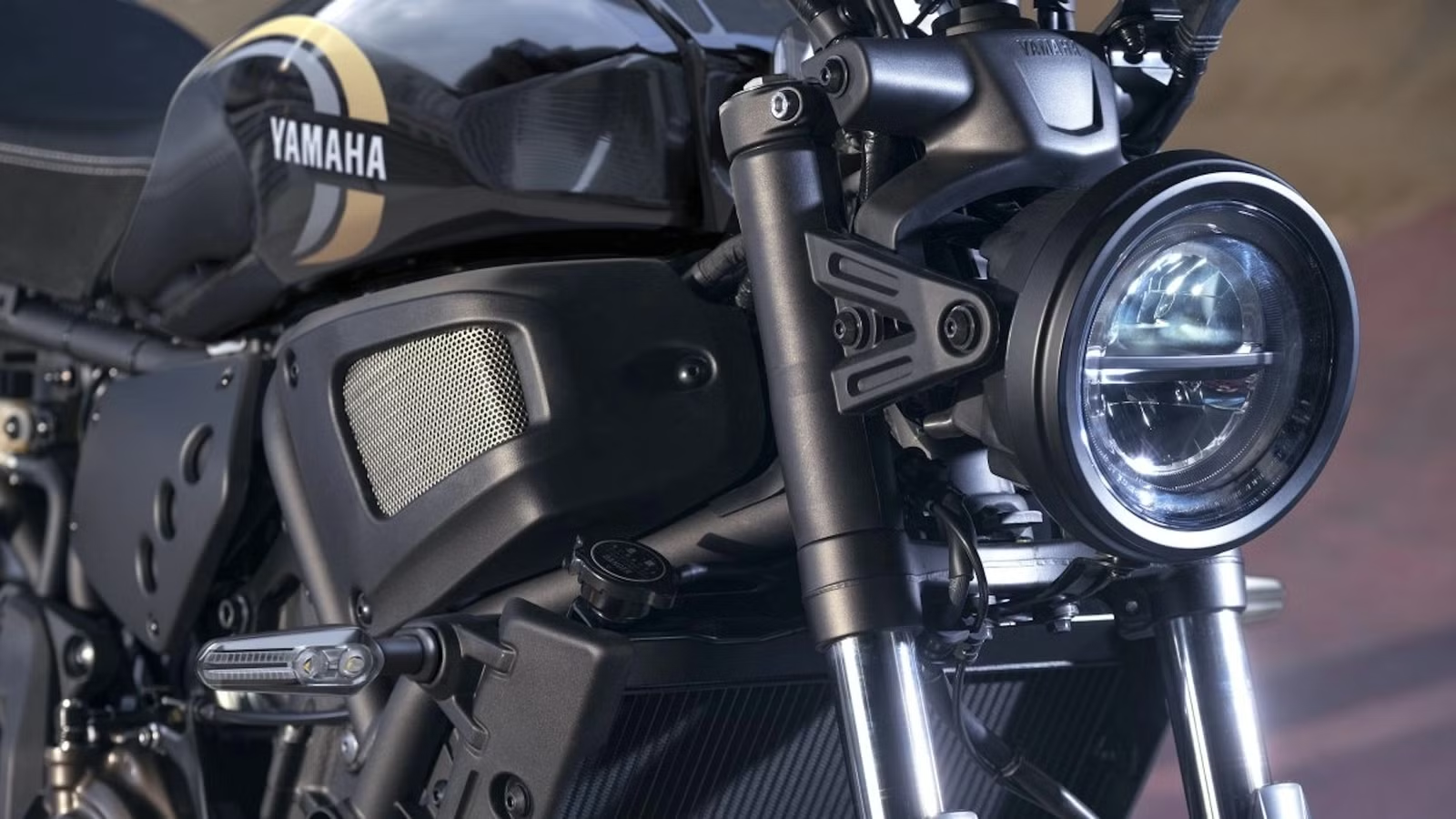
The Yamaha XSR700 is the motorcycle that makes this formula work so well. For 2026, it starts at $8,599 before destination, tax, title, prep, and dealer fees. It has the visual charm of a modern classic, but underneath the round headlight, stitched seat, exposed aluminum details, compact LED lighting, and round LCD is a very practical machine built around one of Yamaha’s most trusted modern engines. It looks like the emotional choice in the lineup, but the hardware underneath is what makes it such an easy bike to justify long after the new-bike excitement wears off.
The CP2 Engine Is The Heart Of The Value Story

The XSR700 is powered by a 689cc liquid-cooled, DOHC, four-stroke inline twin with four valves per cylinder, fuel injection, an 80.0mm bore, 68.6mm stroke, 11.5:1 compression ratio, and a 270-degree crankshaft. Output sits at a healthy 74 horsepower and 50 pound-feet. But what matters more than the peak numbers is how the engine delivers its performance, with a broad spread of usable pull that works in traffic, on highway ramps, and on the kind of back road where momentum matters more than outright madness.
It’s paired with a six-speed transmission, wet multiplate clutch, and chain final drive, which keeps the whole package familiar and easy to service. The CP2 engine’s real appeal is its usable low-to-mid-range punch, smooth counterbalanced character, and reputation for durability across several Yamaha models. It doesn’t rely on complicated gimmicks to be entertaining, and that’s a huge part of the ownership story. The engine has enough character to keep riders interested, but not so much mechanical complexity that routine maintenance becomes a financial jump scare.
|
Engine |
689cc liquid-cooled, four-stroke, DOHC inline twin, four valves per cylinder; 80.0mm x 68.6mm bore and stroke; 11.5:1 compression; fuel injection |
|
Output |
74 horsepower and 50 pound-feet |
|
Transmission |
Constant-mesh six-speed, multiplate wet clutch, chain final drive |
|
0 to 60mph Time |
Approximately 3.85 seconds |
This Yamaha Keeps The Expensive Stuff Out Of The Picture
The rest of the bike follows the same logic. It uses a lightweight diamond-type steel frame, a 41mm telescopic fork with 5.1 inches of travel, and a preload-adjustable single rear shock with 5.1 inches of travel. That’s not exotic hardware, but it’s exactly the kind of hardware that keeps the bike approachable, serviceable, and friendly for mixed riding. It also gives the XSR700 the upright ergonomics that make it useful beyond short weekend blasts.
|
Frame |
Diamond-type steel frame |
|
Suspension |
41mm telescopic fork with 5.1 inches of travel; adjustable link Monocross rear shock with 5.1 inches of travel |
|
Brakes |
Dual 282mm front discs with four-piston calipers and ABS; 245mm rear disc with single-piston caliper and ABS |
|
Wheels and Tires |
17-inch cast aluminum wheels; 120/70ZR17 front and 180/55ZR17 rear Michelin Road 5 tires |
|
Wet Weight |
Around 410 pounds |
Fuel Economy, Weight, And Maintenance All Work In Its Favor

The ownership case gets stronger when you look at the practical numbers. Yamaha estimates fuel economy at 58 miles per gallon, and the bike carries 3.7 gallons of fuel, so it can cover commuting and weekend mileage without turning every ride into a fuel-stop planning exercise. The fairly simple hardware also helps keep upkeep in familiar territory.
Now, actual dealer pricing varies by location, but basic annual service for a middleweight Yamaha twin can often land around $200 to $400, while more involved mileage-based visits can run closer to $500 to $800 depending on labor rates and what needs replacing. If you’re fairly mechanically inclined, you can very easily spend a couple of hours doing basic maintenance. Common wear items are also easy to budget for. Front and rear brake pads can cost roughly $80 to $180, while oil, filters, and other consumable items are very easy to find.
The XSR700 Is Still A Smart Buy At Under $9,000

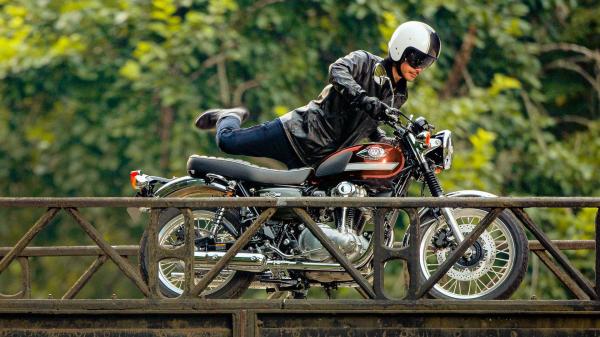
The XSR700’s biggest trick is that it doesn’t make affordability feel like a punishment. It still looks special, has enough character to avoid feeling generic, and comes from a platform with broad parts familiarity. Its 81.7-inch length, 32.3-inch width, and 44.5-inch height keep it manageable, while the one-year limited factory warranty adds basic peace of mind. It’s not trying to bury riders in luxury features, and that’s partly why it works.
At $8,599, the XSR700 isn’t the cheapest motorcycle on sale, and it doesn’t need to be. Its value comes from the way it balances price, reliability, fuel economy, everyday comfort, and a proven engine that doesn’t require expensive ownership rituals to enjoy. Some bikes impress you hardest on the first ride. This one makes its argument over months and years, which is exactly why it’s surprisingly cheap to own.
Source: Yamaha

Related posts


Latest Post


No Comments