
BMW Will Finally Roll Out Direct Sales In Europe In Mid-2027
News
The BMW Group’s agency model strategy will expand from MINI to the core brand, with AI apparently playing a central role in how the company sells cars.
Article Summary
- Dealers will remain part of the process, but BMW will have more control over pricing, customer data, and the overall buying experience.
- AI will form the backbone of the new sales system, connecting digital channels, local retailers, test drives, and aftersales.
- BMW says the agency model will combine online sales with physical retailers rather than replacing dealerships.
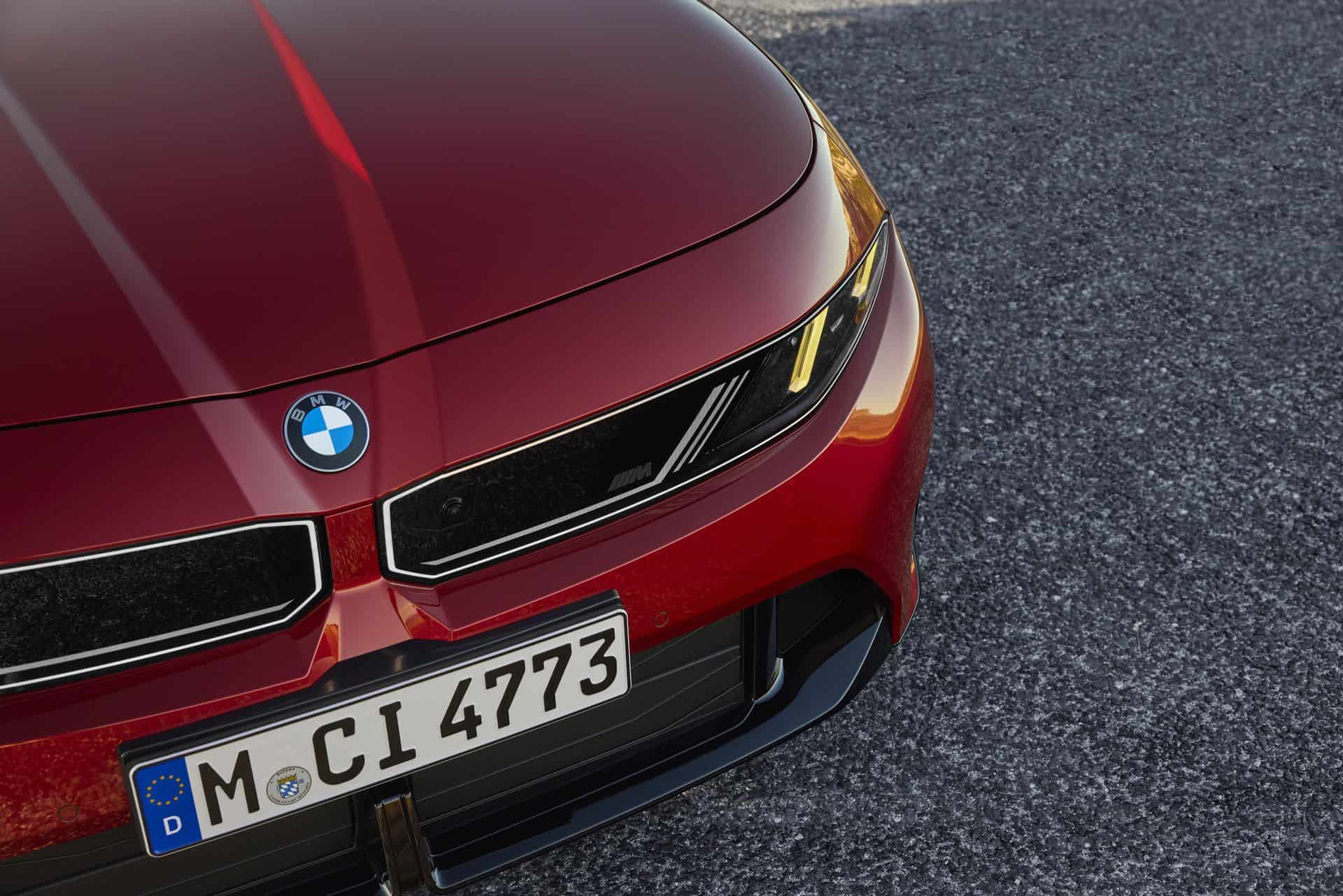
BMW is preparing to change how it sells cars in Europe. After rolling out what the industry calls the agency model for MINI, the core brand will switch to the new system in mid-2027. The move is hardly a surprise. The original plan called for the Munich-based automaker to kick off direct sales this year, but the rollout was pushed back to allow for further tweaks.
We reported last year that the delay wasn’t a change of heart, with BMW saying it was actually more convinced than ever that direct sales were the right way forward. Now, the company has officially put a date on the next phase of the transformation. The greater BMW Group says MINI’s genuine agency model is already live in 24 European markets, giving the company valuable experience ahead of the much bigger rollout.

Once BMW joins MINI, the automaker will have a Europe-wide sales system based on a consistent stream of customer data covering the entire journey, from the initial test drive all the way through aftersales. Make no mistake, though: despite the “direct sales” terminology, this doesn’t mean BMW will kick dealers to the curb and start shipping cars directly from Dingolfing to your driveway.
BMW Is Not Cutting Out The Middleman
The retail network remains an important part of the strategy. Under the agency model, dealers act as intermediaries rather than buying cars from BMW and reselling them to customers. Instead of making their money primarily from the difference between the wholesale and retail prices, retailers receive a fixed commission for each vehicle sold.

The automotive conglomerate introduced the system with MINI partly to give dealers greater financial predictability while allowing the automaker to have more direct contact with customers. For customers, one of the biggest changes is pricing. The agency model uses fixed, nationwide prices, making the traditional dealership game of walking into one showroom, getting a quote, and then calling another dealer to beat it considerably less relevant. In other words, your ability to negotiate a few thousand euros off the just-revealed 3 Series G50 could become another casualty of the digital age.
BMW has also been working to make the buying process much more seamless between physical dealerships and online sales. Customers can start the process digitally, visit a retailer for a test drive, continue online, and ultimately complete the purchase through whichever channel suits them. Love it or loathe it, artificial intelligence will be at the center of it. We’ll let the company do the explaining:
“Artificial intelligence is not merely an additional tool, but the foundation of the entire sales system, enabling even more tailored solutions for every customer through both local retail partners and digital offerings.”
BMW’s decision to roll out the system in mid-2027 comes as the company tries to simplify its business and cut costs. Its latest strategy update calls for fewer model variants, a leaner organizational structure, and greater efficiency as competition in the automotive industry intensifies. Relevant examples include dropping several models, with the company pointing out that the 2 Series Active Tourer will be discontinued once the current generation runs its course.

Related posts




Latest Post


No Comments