
Rolls-Royce Buyers Are Getting Younger: Average Age Falls To Just 40
Rolls-Royce
Black Badge, the Cullinan, and increasingly extravagant one-offs are helping Goodwood attract a new generation of ultrawealthy customers, including buyers still in their 20s.
Article Summary
- The average age of a first-time Spectre buyer in North America is only 35, with 40% new to the brand.
- Some of the brand’s youngest customers in China are still in their mid-to-late 20s.
- In 2010, the average age of a Rolls-Royce customer was 56.
Rolls-Royce has traditionally been associated with old money, but its customer base is getting considerably younger. The average buyer is now just 40, according to Julian Jenkins, the company’s director of sales and brand. That’s a remarkable change for a marque that once catered primarily to wealthy individuals in their later years. In China, some customers are even in their mid-to-late 20s.
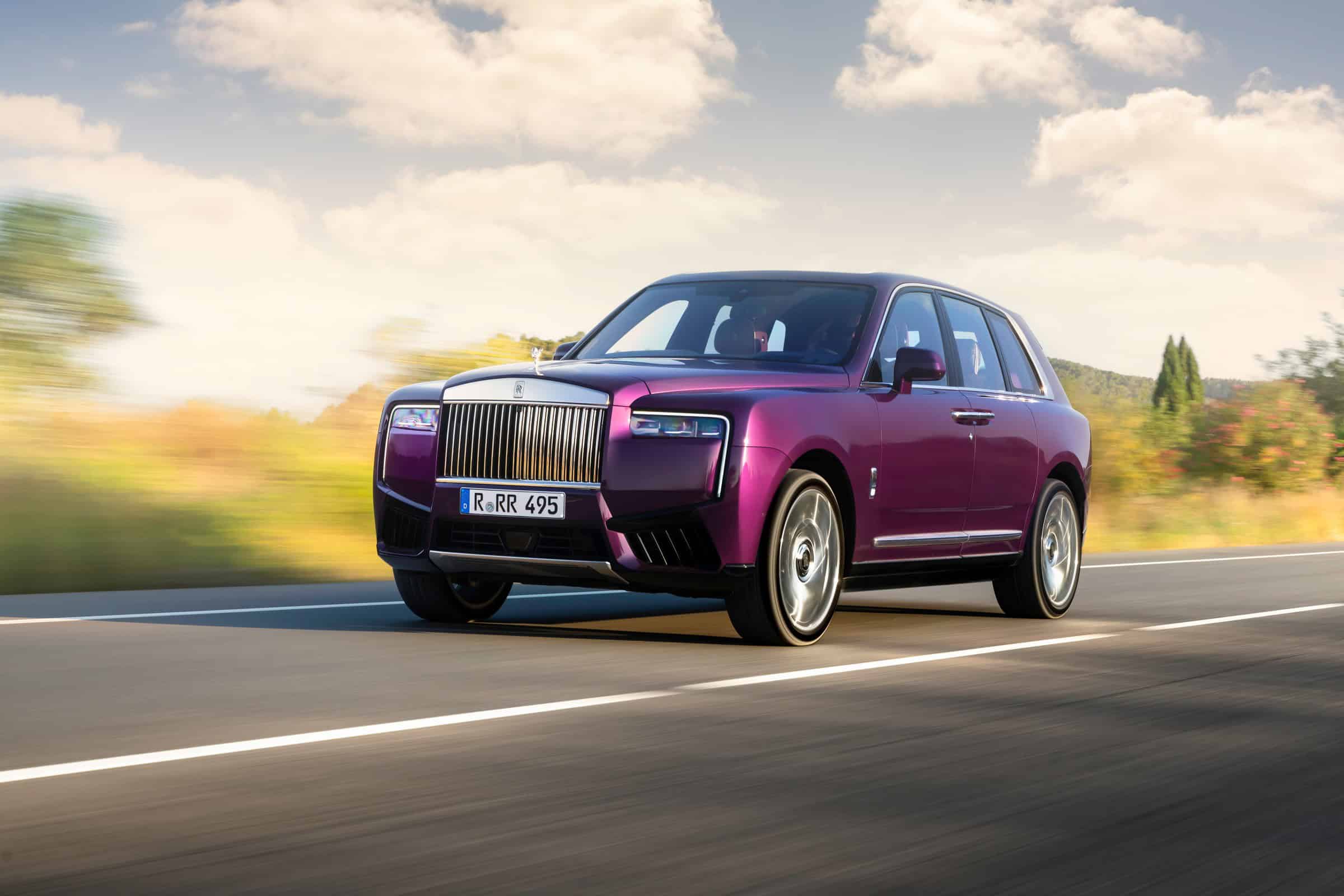
A decade ago, Rolls-Royce introduced Black Badge with a clear objective: attract younger, ultrawealthy buyers. The more rebellious take on traditional luxury, combined with an expanding product portfolio, appears to have worked wonders. The Cullinan SUV has been particularly instrumental in broadening the brand’s appeal. At the same time, increasingly elaborate one-offs and special editions have given wealthy customers another reason to spend big at Goodwood.

The numbers tell the story. Before 2010, when the Phantom was essentially the only model in the lineup, the average customer was 56. That figure dropped to 43 by 2020, after the Cullinan arrived in 2018. It has now fallen another three years to 40.
The Spectre Is Attracting Younger Buyers
The Spectre is another example of how the brand is evolving. We previously highlighted that the average age of a first-time Spectre buyer in North America was just 35. Around 40% of customers choosing the electric coupe were also new to Rolls-Royce. That’s considerably younger than the brand’s overall average of 40.

Ultimately, Rolls-Royce doesn’t seem particularly concerned about whether its customers are 40 or 60. As long as they can afford the cars and are willing to spend even more on personalization, Goodwood is happy. And apparently, you no longer need to wait until you’ve accumulated a lifetime of wealth to park a Rolls-Royce in your driveway.
Electric Crossover Could Reverse Rolls-Royce’s Sales Slide
Although Rolls-Royce has never chased volume, sales have been trending downward in recent years. Deliveries peaked at 6,032 units in 2023 before dropping to 5,712 in 2024 and 5,664 last year. 2026 could mark another decline, with deliveries through September down 12.4% compared to the same nine-month period in 2025.
Pictured below in camouflaged prototype form, the electric crossover could help Rolls-Royce reverse the downward sales trend by opening the brand up to another group of wealthy buyers. However, its full impact likely won’t be felt until 2028, considering the new model isn’t expected to debut until sometime in 2027. Even then, production and deliveries could take several months to ramp up, meaning the BMW-owned brand will have to rely on its existing lineup to keep customers interested in the meantime.
As we reported earlier this year, the upcoming electric crossover isn’t intended to replace the Cullinan. Instead, it should coexist with the V12-powered SUV, giving customers the choice between traditional combustion power and an all-electric alternative. That approach reflects a change in Rolls-Royce’s electrification strategy. The company previously targeted an all-electric lineup by 2030 but has since confirmed that it will continue offering its twelve-cylinder engine beyond that date.
Source: Automotive News

Related posts






Latest Post


No Comments