
Why car makers won’t slow EV push – even if ICE age extended
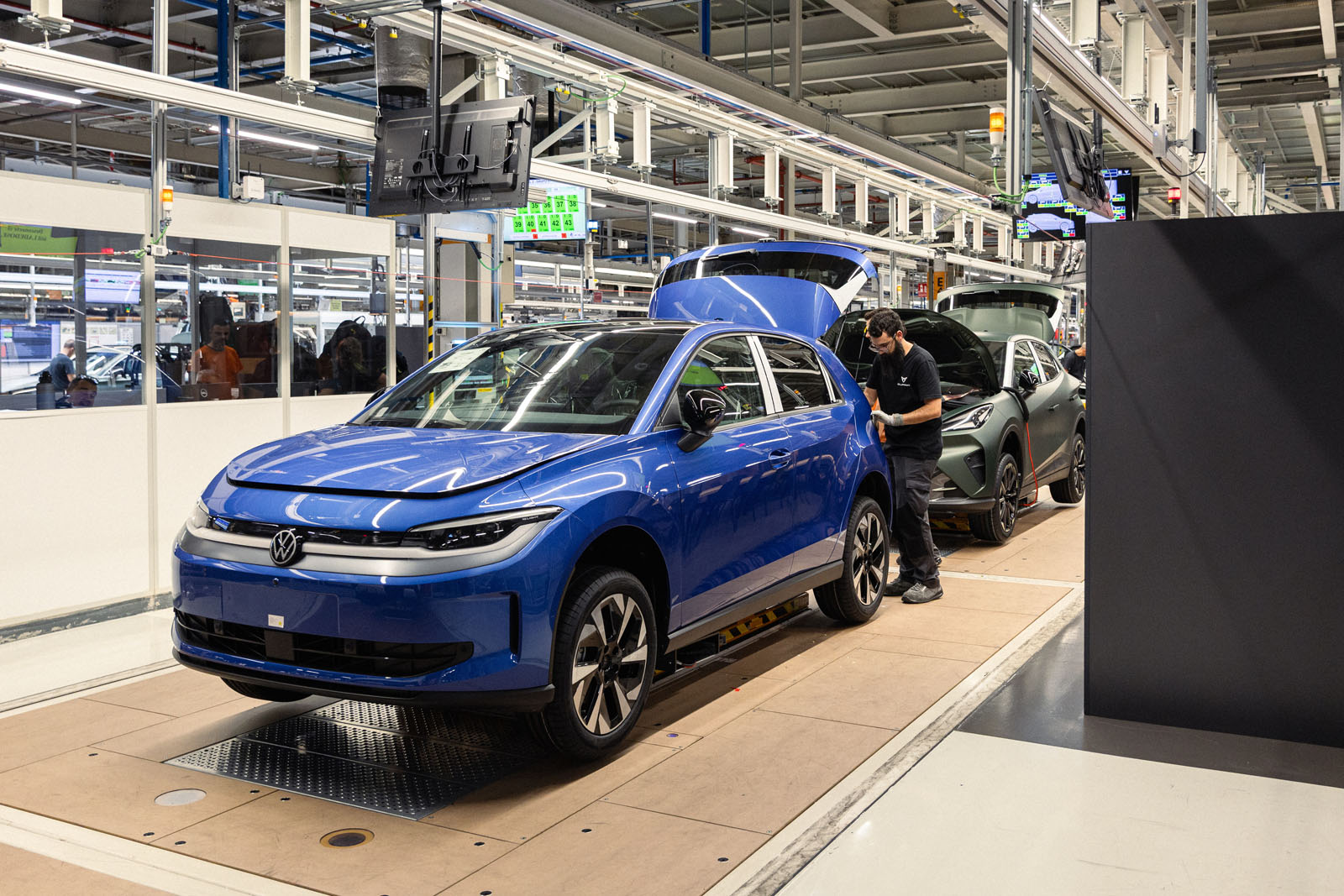
Manufacturers now seem likely to stick with EVs due to demand, rather than government policy

If the UK or the EU were to water down emissions legislation to give combustion-engined cars a longer exit route, would we see anything different in terms of the new cars launched?
One industry expert thinks not.
“The manufacturers are going to change exactly nothing,” Patrick Hummel, automotive analyst at investment bank UBS, said recently. “If anything, I would accelerate the rollout of a proper EV portfolio.”

The environmental lobby has long been pushing governments to stay strong on the 2035 timetable for phasing out new combustion-engined cars, but a statement like this from a big bank indicates that something major has changed.
Sell-side analysts like Hummel provide investment clients with detailed reports on the financial health of companies. These reports are figure-heavy, often impenetrable to outsiders and largely free of emotion (when not discussing Tesla). If the strategy of the target company isn’t working financially, the next report carries a ‘sell’ message for clients to offload their stock.
EVs have been financially problematic. The cost differential with ICE vehicles couldn’t be priced in, because demand wasn’t there, reducing profits. But this summer that changed.
EV demand has soared as the gulf between the cost of fuelling ICE cars and EVs has widened sharply. New EVs now promise long ranges at prices little different from ICE equivalents. At the same time, charging infrastructure has markedly improved, achieving what Hummel calls the “triple parity” that finally shifts consumers.
Some car makers are still sacrificing profit margin to sell EVs, but others aren’t. Volvo, for example, says its new electric EX60 makes a bigger profit than its ICE sibling, the XC60.
“It shows that you can make money on BEVs,” the company’s commercial head, Erik Severinson, told investors recently.
Car makers, then, have little choice but to speed up the EV rollout or lose out.
Hummel referenced Volkswagen’s problem of waiting lists for its new ID Polo small EV extending into summer next year: “They decided on a ramp-up a couple of years ago, now they’re surprised how many people actually want the car.” Not every potential ID Polo customer will wait, he said: “They might shop for a BYD in the meantime.”
Two years ago, we were mid-gloom about EVs after the early-2020s enthusiasm didn’t pan out – now they’re hot property again. No one knows what’s next, but it’s clear that fortune favours those with the quickest reactions.

Related posts


Latest Post


No Comments