
The Mazda RX-8 Trim Rotary Faithful Still Chase For Pennies
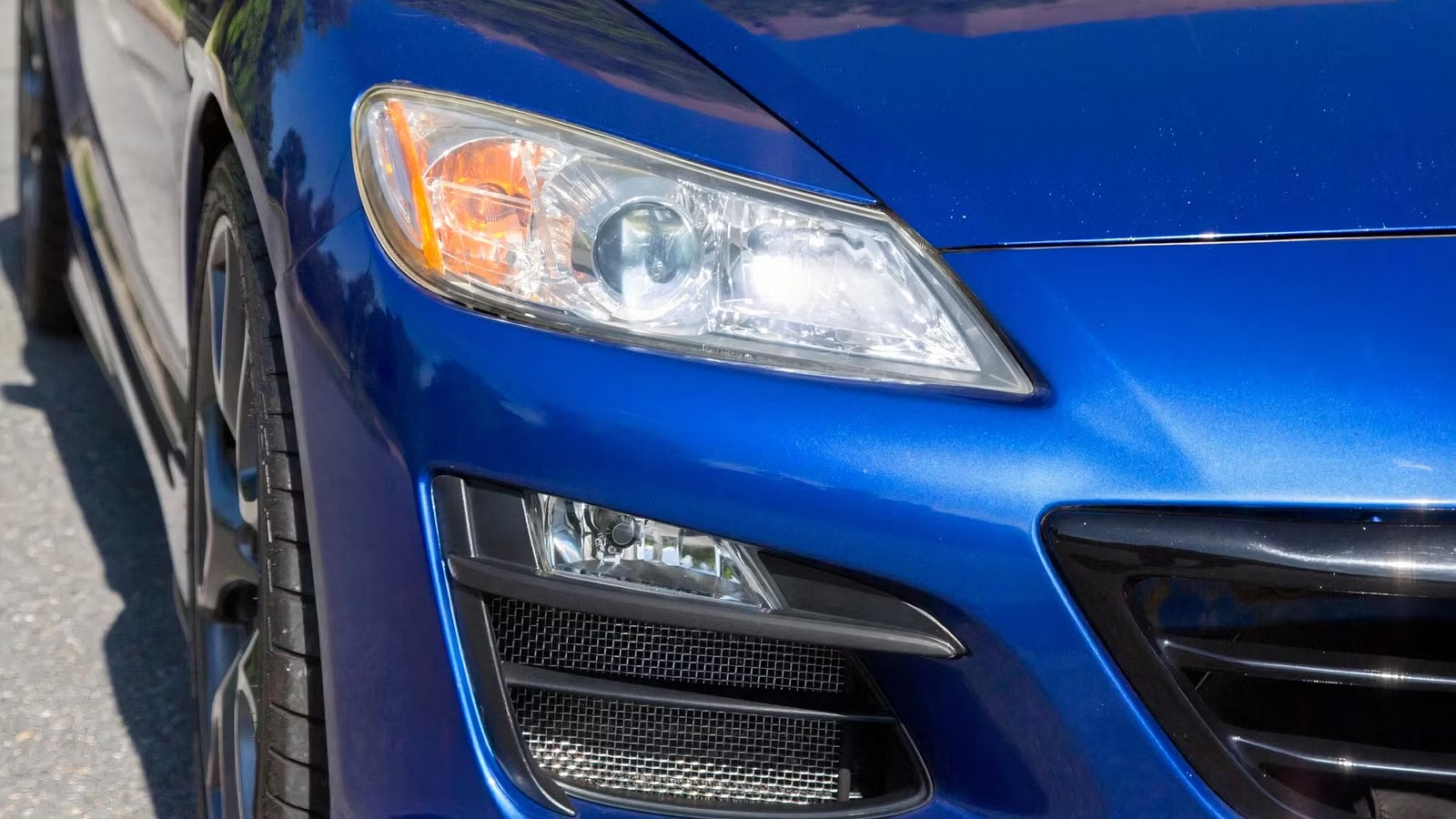
The Mazda RX-8 may well be one of the most misunderstood sports cars ever made. A lot of drivers swear by them for the unique engine; a lot of people avoid them like the plague because of the problems that same engine can cause.

Today, Classic.com says, the average auction price for a 2004–2011 RX-8 is just under $13,000. So they are relatively cheap but very fun Japanese sports cars. However, one specific trim is the one you want to keep an eye out for, and it is not any more expensive.
Some Used Sports Cars Are Cheap For A Reason
Just because a sultry-looking sports car is thousands of dollars cheaper than it was when it was released doesn’t mean it is always a good idea. Something like the 2015–2018 Maserati GranTurismo has all the sexy Italian looks, a naturally aspirated Ferrari-built 4.7-liter 90-degree V8 good for 454 horsepower and 384 pound-feet, and a ZF six-speed automatic. So, average used prices of between $28,900 and $46,200 for one sound like a steal.

However, alongside the way luxury performance values generally plummet after a few years, the Maserati GranTurismo is well known for expensive repair bills (CarEdge estimates it costs $7,047 to maintain over five years), and finicky electronics that put a lot of second buyers off.
How The RX-8’s Bad Reputation Drives Its Price Into Bargain Territory

If you can keep up with some heavy maintenance bills for once-pricey used performance cars, some of which are more reliable than you think, depreciation in the market can make once-unobtainable performance vehicles within reach. Something like the 2015 BMW M6 Coupe had an original starting price of around $113,000.
Today, average used prices are between $23,000 and $25,500, and you still get the 562-horsepower/501-pound-foot 4.4-liter bi-turbo V8 and seven-speed M-DCT. Even something like the C5 Corvette, with its pure American noise and its Gen-III small-block V8s, has dropped in value to an average auction price of just under $25,000.
2009–2011 Mazda RX-8 R3 Is The One To Find

All Mazda RX-8 models are equipped with a rotary engine, either a five or six-speed manual transmission, or a four or six-speed automatic transmission, a front-midship engine layout, 50:50 weight distribution, and rear-wheel drive. In short, for just under $13,000, it is a lot of unique Japanese sports car for not a lot of money.
It is the 2009–2011 RX-8 R3 that offers the most bang for your buck. The 1.3-liter two-rotor Renesis rotary engine under the hood kicks out 232 horsepower at 8,500 rpm and 159 pound-feet of torque at 5,500 rpm. That translates to 0–60 mph times of around 6.6 seconds and a quarter mile time of 15 seconds at 95 mph.

Original prices for the 2009–2011 R3 trim ranged between $32,580 and $33,755. Today, average used prices are between $8,800 and $9,300, and you get the most performance goodies compared to the lower trims.
Bilstein Shocks, Recaro Seats, And 19-Inch Wheels


As standard in the R3, you get a far sportier and more hands-on setup, with a six-speed manual transmission as the exclusive option, custom sport-tuned Bilstein shocks and a revised suspension geometry for sharper handling, and a urethane-foam-filled crossmember in the front suspension to reduce vibrations.
It is also equipped with 19-inch lightweight alloys, instead of the 18-inchers on the standard trims, a lightweight carbon-fiber driveshaft, a torque-sensing limited-slip diff, and a lowered final-drive differential gear (4.777:1) for snappier responses.
The R3 also gets a more aggressive front bumper, an integrated splitter, a better rear spoiler, and sill extensions. Inside, to replace the cloth seats in the Sport trim and the leather heated and power-adjustable seats in the Grand Touring trim, the R3 is equipped with Recaro sport seats with leather side bolsters, and more aggressive thigh and torso bolsters to stop you slipping around in fast corners.
The 2009 Facelift Fixed Several Of The Earlier RX-8’s Foibles

Opting for a 2009–2011 model, R3 or not, also means getting the facelifted RX-8, and Mazda used the update to address some of the earlier model’s less polished traits. The body was stiffened, the suspension was revised and tightened, and the steering was retuned, giving the chassis a more settled feel without messing up the balance that made the RX-8 so good first time around.
Smaller changes are also here; you get revised engine mounts, a strengthened driveshaft, and better sound insulation. To some, the early RX-8 models felt a touch “agricultural,” but the facelifted models did away with some of that feeling.
Renesis Ownership Comes With A Price

One of the main reasons a lot of people buy a used RX-8 is the Renesis rotary engine under the hood. It is small, powerful, responsive, and unique.
The Renesis rotary engine used in the RX-8 is the 13B-MSP (Multi-Side Port injection), and was Mazda’s way of trying to fix the poor fuel economy and high emissions of the earlier rotaries, like the one found in the legendary RX-7. There are two camps, though: one that says the rotary is worth the typically higher oil consumption thanks to its character, and others that say it is not worth the headache.
Apex-Seal Wear And Oil Injection Are Part Of The Deal

The Renesis is unusual even by rotary standards because Mazda designed its oil-injection system around the engine side-port layout. The 13B-MSP uses three oil injectors per rotor rather than the two used on the earlier 13B, feeding oil directly into the intake side so it reaches the apex seals as they sweep across the rotor.
That keeps the seals lubricated without relying on oil mixed into the fuel, but it also means oil consumption is an intentional part of the engine’s character. The problems come when the lubrication, sealing, or combustion process goes wrong. Apex seals can wear or become damaged, reducing compression until the engine becomes difficult to start, particularly when hot.
Carbon build-up around the seals and in the exhaust ports can make that problem worse, while flooding chambers can leave the starter spinning in an engine that won’t fire. Ignition coils, plugs, and leads also work hard in the Renesis rotary, so a weak ignition system can turn an already finicky startup into something pricey to diagnose.
Proper Care Can Delay A Rebuild, But You Should Budget For One

Like any engine, if you look after a Renesis rotary engine properly, it can give you plenty of fun miles. Keeping on top of checking the oil, maintaining the cooling system, using the right plugs and coils, and not making a habit of switching it off before it gets warm will help it last. It is designed to consume oil, so ignoring the dipstick is a silly way to own one.
Eventually, though, low compression can mean a rebuild rather than another service. RepairPal says the RX-8’s annual maintenance bill is $517, but a rotary rebuild is another matter completely. Worn apex, corner, and side seals can mean the engine has to come apart, while rotor-housing damage can also be very expensive. According to owners who have gone through the ordeal, it can cost upwards of $2,300 for a rebuild and another $1,000 or so to reinstall the engine.
Take note, though, it can be a lot more depending on where you get your work done. In short, it is a slightly eccentric sports car with enough madness in it to make going for the cheap, but well-kitted-out R3 option, worth a bit of dedicated upkeep.
Sources: Classic.com, Bring A Trailer, RepairPal, CarEdge, and Mazda.

Related posts




Latest Post


No Comments