
Toyota’s Next Hybrid System Could Be A Fuel Economy Game Changer
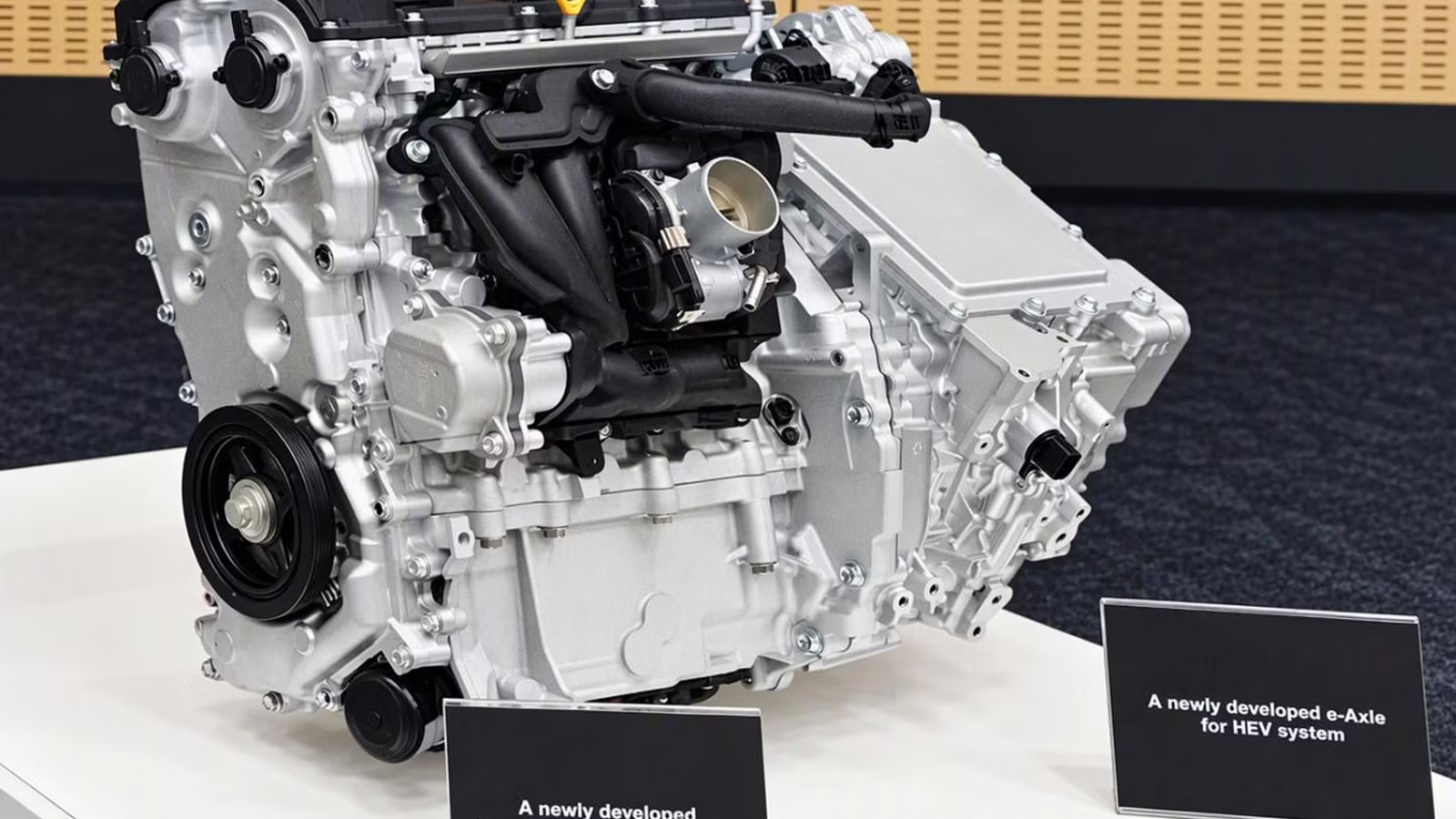
Toyota confirmed today that it’s developing a next-generation hybrid system built around new 1.5-liter four-cylinder engines, paired with lighter and more compact electric motors, power control units, and inverters. The headline number: more than 15% better fuel economy than the hybrid systems currently running in the RAV4 and Corolla.

That’s a real jump, not a rounding-error update. Toyota hasn’t adapted an existing engine for hybrid duty this time. It built the engine, the hybrid hardware, and the power electronics together as one system from the start, which is a different approach than the bolt-on hybrid conversions of the past.
Why Toyota Is Rebuilding Its Hybrid Hardware From Scratch
The new 1.5-liter engine family comes in naturally aspirated and turbocharged forms. According to Toyota, the naturally aspirated version is designed to cover the performance range currently handled by the automaker’s 1.8-liter engine and its existing 1.5-liter three-cylinder unit, meaning one engine family could eventually do the job of two. Toyota says the efficiency gains come from several places at once: lower mechanical friction, better thermal management, reduced electrical losses, and lower aerodynamic drag.

The smaller, lighter motor and power electronics package also means a lower-profile engine bay, which Toyota says allows for lower hood lines and more aggressive proportions. That’s a styling benefit as much as an efficiency one, since designers get more freedom when the hybrid hardware stops dictating vehicle shape.
The RAV4 And Corolla Are The Obvious Targets

Toyota hasn’t named specific models for this new hybrid hardware yet, but the RAV4 Hybrid and Corolla Hybrid are the two most likely candidates to get it first. Both are Toyota’s highest-volume hybrids in the U.S. and the models doing the most work defending against a hybrid push from Hyundai and Kia, which have been expanding their own hybrid lineups across crossovers and sedans. A 15%-plus efficiency bump on either nameplate would be a meaningful selling point against that competition, especially for buyers cross-shopping fuel economy numbers on a window sticker.
Toyota built this hybrid system to slot into its new multi-pathway platform, the same architecture meant to support battery-electric, plug-in hybrid, and standard hybrid versions of a vehicle without changing its silhouette or interior space. That’s the bigger strategic play here: rather than betting everything on EVs like some rivals, Toyota is keeping hybrids central to its lineup while still building toward electrification on the same basic underpinnings.
What This Means For Buyers Weighing A Hybrid Purchase Now

Toyota hasn’t given a timeline for when this hybrid system reaches showrooms, and nothing here affects the current RAV4 Hybrid or Corolla Hybrid on sale today. Toyota also says it plans to expand external sales of this engine and hybrid technology to other automakers in the coming years, and the system is being developed to run on renewable and carbon-neutral fuels, extending the role combustion-based hybrids can play even as battery-electric and fuel-cell technology expands. For shoppers debating whether to wait, the practical read is simple: today’s hybrids remain solid buys, but the next generation of Toyota’s hybrid hardware is coming, and it’s aimed squarely at keeping Toyota ahead in the one category every mainstream automaker is now fighting over.

Related posts



Latest Post



No Comments