
The Cruiser Built For Riders Who Prefer The Open Road
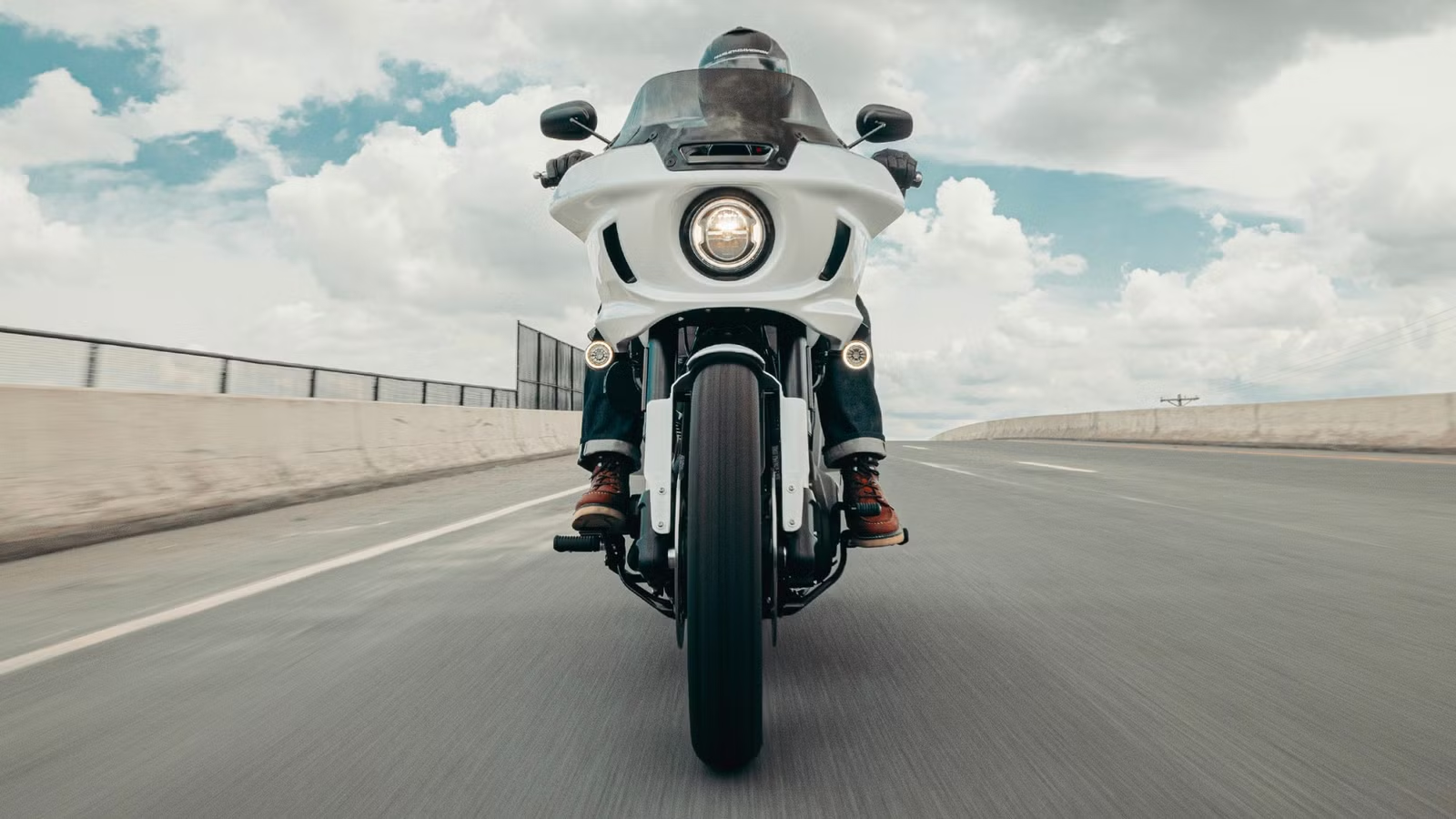
Cruisers have always represented a particular kind of motorcycling freedom. They are built for riders who enjoy taking the longer route, spending hours on the highway, and discovering new places without worrying too much about the destination. However, modern cruisers are no longer limited to relaxed engines and traditional styling. These days, manufacturers are combining their familiar character with stronger performance, improved handling, and features that make longer journeys more comfortable. The result is a category that appeals to riders who want the personality of a classic American cruiser without giving up the capabilities needed for bigger adventures.
The Enduring Connection Between Cruisers And The Open Road
Cruisers Have Always Been About Enjoying The Journey

Few motorcycle categories have such a strong connection with the idea of freedom as cruisers. Their low-slung proportions, couch-like ergonomics, and distinctive engines with mounds of torque encourage a riding style less concerned with outright speed and more focused on enjoying the road. Cruiser riders often appreciate the experience of covering long distances at a comfortable pace rather than being the fastest one at the coffee shop. This philosophy also influences how these motorcycles are designed.
A low seat makes getting on and off easier, forward or mid-mounted foot controls provide a relaxed riding position, and larger engines deliver their performance without requiring constant gear changes. Many cruisers also have the visual presence to stand out wherever they go.
Harley-Davidson And Indian Have Defined The American Cruiser

Two manufacturers inevitably enter the conversation when discussing the cruiser segment: Harley-Davidson and Indian Motorcycle. Both brands have spent generations developing motorcycles around the American touring and cruising experience, building identities that are deeply rooted in their freedom-fueled journeys.

Their products have become closely associated with long-distance riding and distinctive V-twin engines. Harley has particularly strong roots in this category, with its Softail and Touring families catering to different interpretations of the cruiser experience. Indian offers an equally interesting alternative, with motorcycles that combine traditional American styling and substantial engine performance.
Harley-Davidson Low Rider ST: A Cruiser With More Ambitious Plans
The Modern Cruiser Is More Than A Highway Companion

The Low Rider ST is positioned within Harley-Davidson’s Softail family. But it does something interesting. It takes the familiar Low Rider platform and gives it a more touring-oriented identity without turning it into a full-dress touring motorcycle. Its combination of a powerful Milwaukee-Eight engine, frame-mounted fairing, hard saddlebags, and performance-tuned suspension makes it particularly appealing to riders who want to travel long distances without sacrificing the visual attitude of a performance cruiser. It is this combination that makes the Low Rider ST a particularly suitable choice for this article.
The Low Rider ST’s Milwaukee-Eight 117 High Output Brings Serious Muscle

At the heart of the Low Rider ST is Harley-Davidson’s Milwaukee-Eight 117 High Output V-twin. Displacing 1,923cc, this air- and oil-cooled engine produces 114 horsepower at 5,000 rpm and 128 pound-feet of torque at 4,000 rpm. One look at the numbers tells you that there is a substantial amount of output fairly low in the rev range. This tells us that the engine has the kind of low- and mid-range pulling power that suits a large cruiser. Riders don’t need to constantly chase the upper limits of the tach to access that performance, and there is plenty of power to get through traffic with very little twist.
Power reaches the rear wheel through a six-speed transmission, and Harley has spread the ratios to suit different riding conditions. The overall gearing allows the engine to make good use of its torque on the highway without allowing it to feel too busy in either direction. Cruise control is also part of the package for those long hours covering open stretches of road.
The Familiar Softail Gets A Sporting Edge

The Low Rider ST uses Harley’s Softail chassis, which combines traditional hardtail-inspired styling with modern suspension tech. The steel frame provides the foundation for a bike that weighs 712 pounds wet, but the 63.3-inch wheelbase and 28-degree rake give it a geometry that makes the Low Rider surprisingly agile through bends. This agility is also complemented by the riding triangle. Mid-mount footpegs and moto-style handlebars put the rider in a commanding, upright position that feels more engaging.
Suspension duties are handled by a 43mm inverted front fork with a single-cartridge design and aluminum triple clamps. At the rear, there’s a hidden free-piston coil-over monoshock that is adjustable for preload. Both are also tuned for sportier, more aggressive riding than other cruisers. Tires are typical cruiser-spec units with a 19-inch front and a 16-inch rear wheel.
Old-School Harley Attitude Meets Modern Equipment
The Low Rider ST’s Standard Equipment Includes Built-In Storage

The most important thing that makes the Low Rider ST such an open-road-oriented motorcycle is the fact that it comes with lockable hard luggage integrated into its bodywork, which provides approximately 56 liters of storage space. It is useful for carrying everything from everyday essentials and rain gear to a few items of clothing for a weekend away. It’s not as generous as trunks and saddlebags on a full-dress tourer, but this cruiser gets the job done.
As far as technology goes, the Low Rider ST gets all-LED lighting and a four-inch analog speedometer with a digital display providing information such as gear position, fuel level, engine speed, and riding modes (which are selectable, by the way). Cruise control, as mentioned earlier, is also standard on this cruiser, along with USB-C charging for when you’ve been riding so long that your phone battery dies. All this tech is meant to allow the rider to focus on the road rather than light up their face with screens.
The Low Rider ST Is A Premium Cruiser At $23,999

Harley-Davidson lists the 2026 Low Rider ST with a starting MSRP of $23,999 in the US, and this places it firmly in the premium category. It is not an inexpensive motorcycle, but its equipment, performance, and even its legacy help justify its pricing within the company’s lineup.
The appeal of the open road has always been central to cruiser motorcycle riding, and the Harley-Davidson Low Rider ST is an interesting interpretation of that idea. It is ultimately a cruiser that encourages its rider to take the longer route home, and that is exactly why it’s built for the freedom-seeking rider.
Source: Harley-Davidson

Related posts



Latest Post


No Comments