
10 BMWs That Hold Their Value Best in 2026
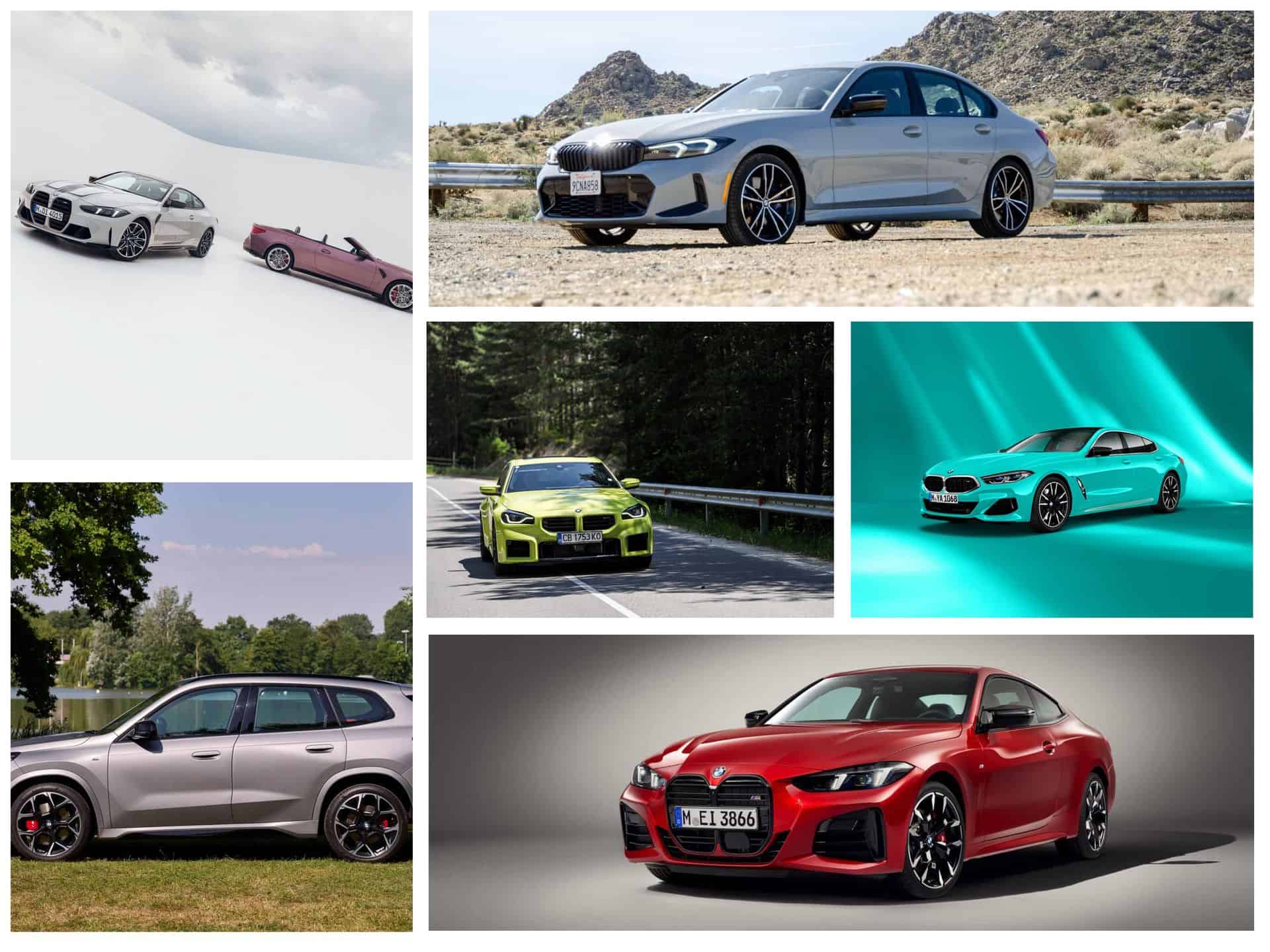
Article Summary
- The BMW M2 leads all BMW models in 2026 resale value, retaining 67.8% of its original MSRP after five years.
- Coupes, convertibles, and M cars dominate the list, showing that enthusiast-focused BMWs still command strong used-market demand.
- The 3 Series and X1 prove practical, high-volume BMWs can still hold value when they offer clear appeal and accessible pricing.
Depreciation and BMW ownership usually go hand in hand. Buy the wrong luxury sedan or large SUV new, and the market can be downright brutal a few years later. But not every BMW follows the same curve. According to iSeeCars’ 2026 resale value data, some BMWs hold onto their value surprisingly well after five years, and the list tells us a lot about what buyers still want.
The biggest takeaway? Smaller, enthusiast-focused BMWs continue to perform best. Coupes, convertibles, and M cars dominate the top of the ranking, while larger luxury models and EVs tend to sit much farther down the list. That won’t shock anyone who has watched the used BMW market closely, but the order is still interesting. Here are the 10 BMWs that hold their value best in 2026, based on iSeeCars’ 5-year resale value data.
1. BMW M2 — 67.8%

The BMW M2 is the clear winner here, retaining 67.8% of its value after five years. The M2 is one of the few modern BMWs that still feels relatively compact, focused, and enthusiast-oriented. It also benefits from a strong identity: it is the small M car, not just a trim level or a luxury commuter with extra horsepower. Whether buyers are looking at the previous-generation F87 or newer G87, demand remains strong because the formula is simple and desirable: six-cylinder power, rear-drive attitude, and real M-car credibility.
2. BMW M4 Coupe — 64.5%
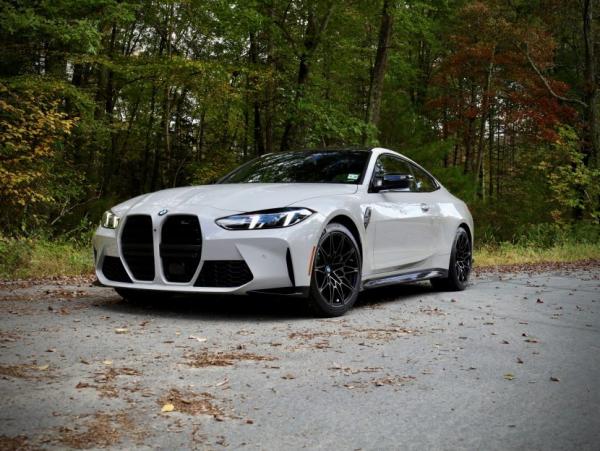

The BMW M4 Coupe takes second place with a 64.5% 5-year resale value. It’s a strong showing, especially considering how expensive new M4s have become. The coupe body style helps, as does the M4’s position as the default two-door M car. It is more specialized than the M3, less practical, and arguably less universally appealing, but that can help resale value. Buyers looking for one usually know exactly what they want, and the combination of S58 power, aggressive styling, and strong performance keeps demand healthy. You might be surprised not to see the BMW M3 here. If you’re curious, the data says that the M3 retained 52.5% of its value over five years. You’re probably less surprised if you remember that last year the M4 took third place, retaining 55.9% of its value over five years. The rise is likely due to the last generation (F82) phasing out of the “five-year” tracking period.
3. BMW 2 Series Coupe — 63.6%
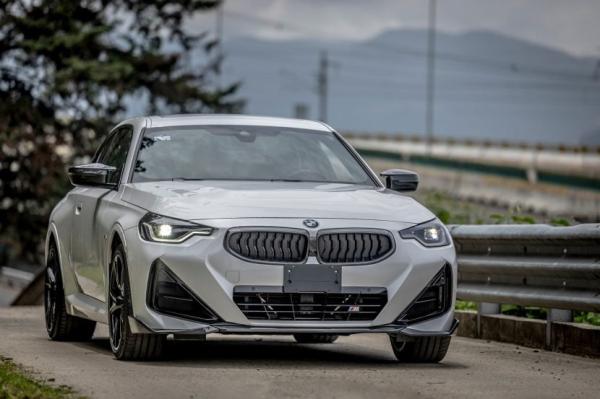
The regular BMW 2 Series Coupe lands third, retaining 63.6% of its value after five years. The 2 Series Coupe remains one of BMW’s most traditional products: compact proportions, available six-cylinder power in M240i form, and rear-wheel-drive bones. Even non-M versions benefit from the model’s reputation as a proper driver’s car. In a lineup increasingly dominated by crossovers, big screens, and electrification, the 2 Series Coupe still feels refreshingly old-school.
4. BMW 4 Series Coupe — 59.8%
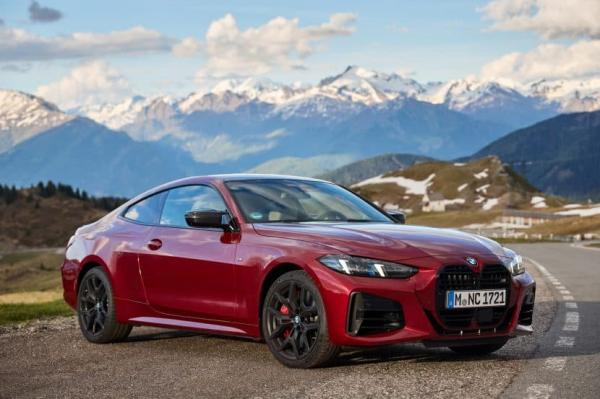
The BMW 4 Series Coupe retains 59.8% of its value, putting it fourth among BMW models. It does not have the full M-car halo of the M4, but the 4 Series still benefits from its coupe layout and relatively premium positioning. The design remains controversial, but the market clearly has not punished it too badly. For buyers who want something more stylish than a 3 Series without jumping all the way to an M4, the 4 Series Coupe continues to occupy a useful space in the lineup.
5. BMW Z4 Convertible — 56.5%
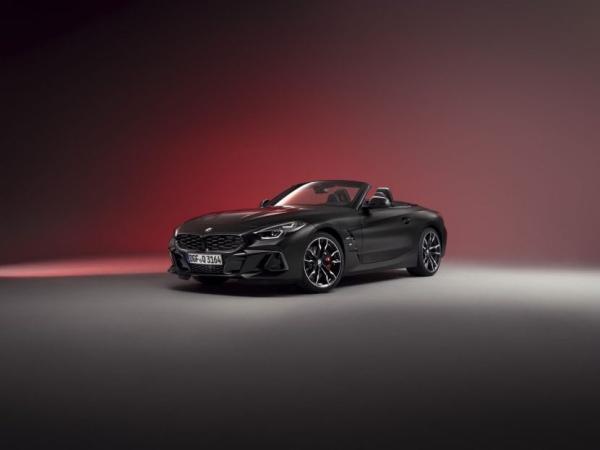
The BMW Z4 ranks fifth, with a 56.5% 5-year resale value. Sports cars often do well when they have a clear niche, and the Z4 certainly does. It is not BMW’s highest-volume model, but that can work in its favor. The Z4 offers something increasingly rare: a two-seat, rear-wheel-drive roadster with available inline-six power. The M40i, in particular, has become more interesting over time, especially with a manual transmission. The Z4 may not be a mainstream hit, but used buyers clearly see the appeal. With the car now out of production, expect used values to remain high.
6. BMW 2 Series Convertible — 55.7%
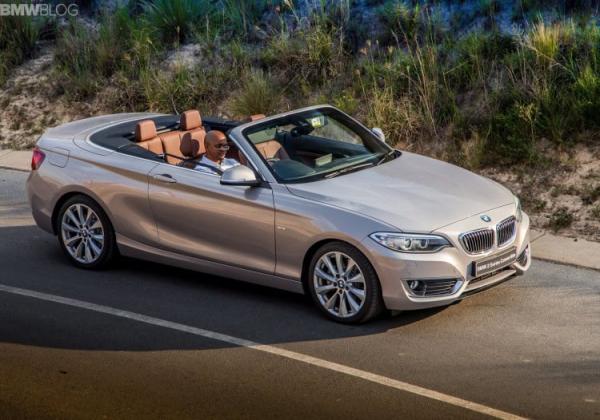
The BMW 2 Series Convertible holds 55.7% of its value after five years, good enough for sixth place. Like the coupe, it benefits from compact sizing and a relatively pure BMW formula. It is also no longer part of BMW’s current U.S. lineup, which gives clean examples a bit of extra appeal on the used market. Small luxury convertibles are not exactly common anymore, and the 2 Series Convertible gives buyers open-top driving without the size, cost, or complexity of BMW’s larger drop-tops. As the last model year for the F22 Convertible was 2021, this will be the last time we see anything about the car on one of these lists.
7. BMW M4 Convertible — 55.2%
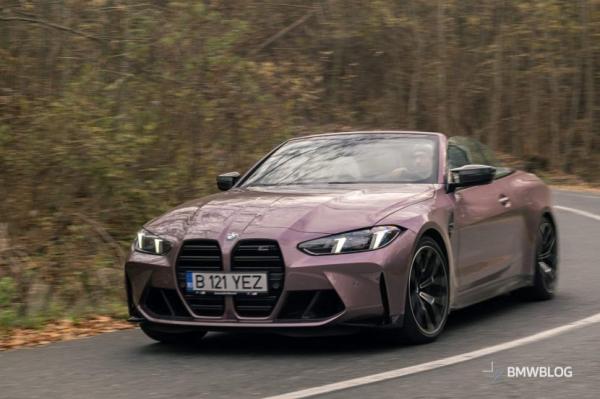
The BMW M4 Convertible comes in seventh, retaining 55.2% of its value. Convertibles can be tricky from a resale standpoint, especially expensive performance convertibles, but the M4 Convertible has a few things working in its favor. It delivers real M performance, everyday usability, and open-air driving in one package. It is heavier and less focused than the coupe, but buyers interested in the convertible probably are not chasing lap times first. They want speed, style, and drama, and the M4 Convertible delivers all three.
8. BMW 4 Series Convertible — 54.3%
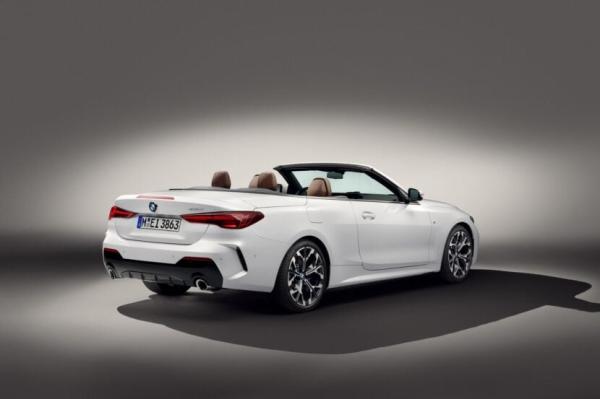
The BMW 4 Series Convertible ranks eighth with a 54.3% 5-year resale value. Like the M4 Convertible, it benefits from offering something more emotional than a typical luxury car. The 4 Series Convertible is not the sharpest BMW, nor is it the most practical, but it makes sense as a premium open-top cruiser. The newer soft-top design also gives it a cleaner profile than the old folding hardtop cars. For buyers who want a stylish daily driver with occasional top-down fun, it remains a compelling used option. Those curious can also check out our long-term, 3-year review of the M440i xDrive for some real insight.
9. BMW 3 Series — 53.2%
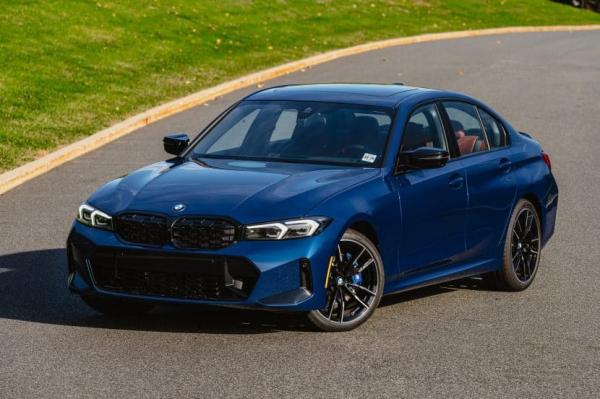
The BMW 3 Series places ninth, retaining 53.2% of its value after five years. That might not sound spectacular compared with the M2 or M4, but it is still a strong result for a mainstream luxury sedan. The 3 Series remains BMW’s core product for a reason. It is practical, efficient, well-rounded, and still available in genuinely fun configurations. The 330i is a strong daily driver, while the M340i continues to be one of the best all-around performance sedans on the market. Familiarity helps here: used buyers know what a 3 Series is, and they keep coming back.
10. BMW X1 — 53.0%
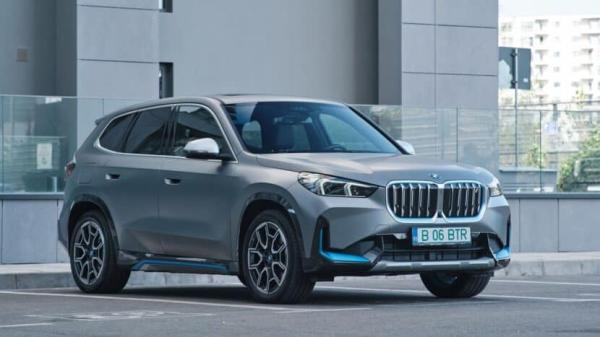
The BMW X1 rounds out the top 10 with a 53.0% 5-year resale value. It is the only SUV in the top 10, which is notable given how crossover-heavy BMW’s lineup has become. The X1’s strength likely comes from its relatively accessible pricing and broad appeal. It gives buyers the BMW badge, useful cargo space, a compact footprint, and lower running costs than larger models like the X5 or X7. It may not be the enthusiast’s choice, but from a resale standpoint, the X1 makes a lot of sense.
What the List Tells Us
Apparently, BMW’s best resale performers are generally smaller, sportier, and more focused. The M2, M4 Coupe, 2 Series Coupe, and 4 Series Coupe all rank near the top, suggesting that enthusiast demand still matters. Convertibles also perform surprisingly well, with the Z4, 2 Series Convertible, M4 Convertible, and 4 Series Convertible all landing in the top eight.
Meanwhile, the 3 Series and X1 prove that sensible, high-volume BMWs can still hold value. The 3 Series remains the brand’s benchmark sedan, while the X1 gives buyers a relatively affordable way into a premium crossover. Finally, if resale value matters, smaller BMWs are clearly safer bets. The market still rewards cars with clear identities, especially when they offer the kind of driving experience people expect from the badge.
Source: iSeeCars

Related posts




Latest Post


No Comments