
This Luxury SUV Outlasts Every Other Hybrid In iSeeCars’ 250,000-Mile Study
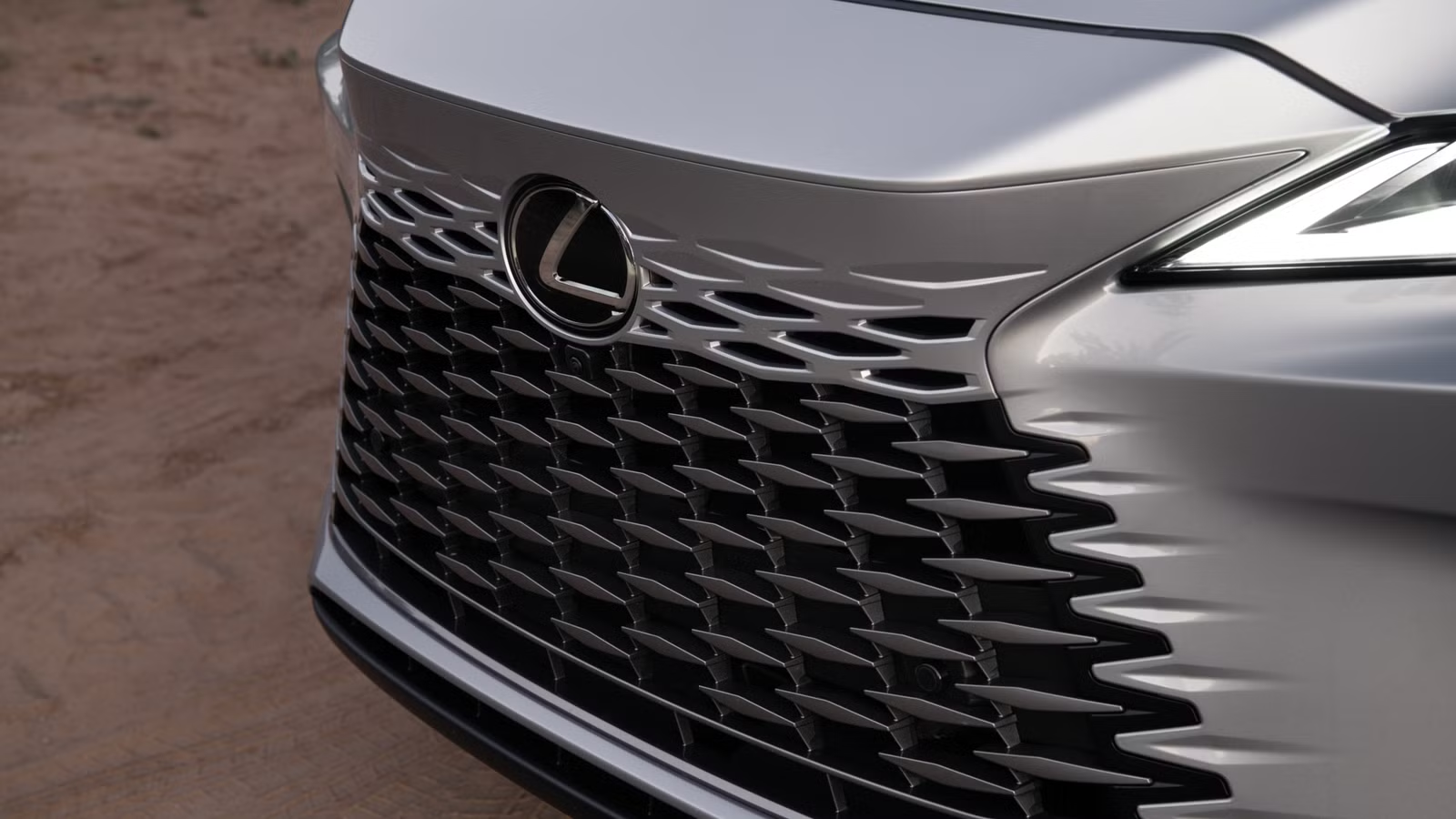
The common consensus is that hybrid vehicles are more expensive to maintain because they are more complex than conventional gas-powered vehicles. Yet, what if there were a vehicle where that simply wasn’t true? Luxury hybrids tend to be even worse in this regard, but for every rule, there is always an exception. One particular luxury hybrid SUV has proven to outperform virtually every other hybrid on the road in a recent longevity study, earning a 28.9 percent probability of reaching 250,000 miles. That isn’t just a good score; it makes it the longest-lasting hybrid of any type.
The Lexus RX Hybrid Is The Longest-Lasting Hybrid In The Study

That exceptional vehicle is none other than the Lexus RX Hybrid, which challenges virtually every preconceived notion of what a luxury hybrid SUV is supposed to be.
A 28.9% Chance Of Reaching 250,000 Miles Beats Every Other Hybrid
In a 2026 analysis of more than 395 million vehicles by iSeeCars, the Lexus RX Hybrid proved to be the longest-lasting hybrid of any kind. It achieved a 28.9 percent probability of reaching 250,000 miles, making it an exceptional example of a durable luxury hybrid. Yet, when compared to other hybrids, its score becomes even more impressive.
The Toyota Highlander Hybrid achieved a probability of just 20.7 percent, while the Honda Accord Hybrid managed 18.5 percent. Meanwhile, the industry-wide average is only 5.4 percent. That means the RX Hybrid is about 5.4 times more likely to reach a quarter-million miles than the average vehicle, a remarkable figure, to say the least.
Only Three Vehicles Rank Ahead Of The RX Hybrid Overall


The RX Hybrid’s longevity is so impressive that, for a meaningful comparison, only a handful of conventional models are up to snuff. The RX Hybrid ranked fourth overall among all vehicles in the 2026 iSeeCars study, trailing only the Toyota Sequoia, Lexus LS, and Toyota 4Runner. Two of those three podium finishers are body-on-frame SUVs, while the other is a flagship luxury sedan. The RX, meanwhile, is a luxury unibody crossover. Its position still makes it the highest-ranked luxury SUV in the study, and its impressive ranking is corroborated by multiple publications.
The RX Hybrid’s Powertrain Helps Explain Its Exceptional Longevity

So, the obvious question is: how does the RX Hybrid manage to succeed where others fail?
The Naturally Aspirated 2.5-Liter Engine Avoids Unnecessary Complexity
Few individual components have a more significant effect on a vehicle’s longevity than its engine, and the RX 350h’s 2.5-liter naturally aspirated inline-four is central to its long-term durability. Working in conjunction with its hybrid electric motors, this engine prioritizes efficiency and consistency rather than extracting cutting-edge performance.
Its Atkinson-cycle operation further emphasizes thermal efficiency over outright power production. Lexus offers a more performance-oriented alternative in the RX 500h, which utilizes a 2.4-liter turbocharged engine, but the relative long-term durability of this setup compared with the efficiency-focused 350h remains to be established.
Regenerative Braking Reduces Wear On Conventional Brake Components

Another major benefit of hybrid powertrains is that their efficiency advantages extend beyond the engine itself. Regenerative braking allows a hybrid to convert some of its kinetic energy into electrical energy that can be stored in its hybrid battery. That energy can then be utilized immediately or retained until needed.
Rather than relying entirely on conventional friction brakes to slow the vehicle, the electric motors can handle some of the deceleration without requiring the driver to press the brake pedal. The result is reduced wear on conventional brake components, potentially extending their service life and making long-term hybrid ownership even more appealing.
The Lexus RX Hybrid Makes German Luxury SUVs Look Expensive To Maintain

The Lexus RX Hybrid might technically compete in the same segment as luxury SUVs like the BMW X5, but these models have drastically different long-term ownership propositions.
The BMW X5 And Audi Q5 Have Significantly Higher Maintenance Costs

German luxury SUVs like the BMW X5 and Audi Q5 might be an absolute joy to experience on the road, but when maintenance time comes around, the costs can be a source of serious financial concern. According to CarEdge data, the Audi Q5 averages about $12,919 in maintenance costs over its first 10 years, while the BMW X5 jumps to an absurd estimated 10-year maintenance cost of $19,459. These SUVs are undoubtedly great on the road, but they come at a significant cost to maintain. If you want the luxury SUV experience without the same potential financial headaches, the RX Hybrid offers undeniable appeal.
The RX Hybrid Also Has An Impressively Low Complaint Rate
iSeeCars isn’t the only source providing evidence of the RX’s impressive reliability. According to NHTSA data, the Lexus RX records just 0.202 complaints per 1,000 vehicles sold, compared with the segment median of 0.533. You might assume that the complex hybrid systems and luxury accouterments involved would result in higher-than-average complaint rates, but the reality is actually the opposite.
This goes to show that build quality, production standards, and a sound engineering foundation can matter more than apparent mechanical complexity. The Lexus RX combines strong longevity projections with relatively few reported complaints, making it an especially compelling proposition for long-term ownership.
Reaching 250,000 Miles Still Requires Diligent Maintenance
Even the most reliable vehicles on earth cannot escape the consequences of chronic neglect, and reaching mileage figures in the hundreds of thousands means diligent maintenance is non-negotiable.
Following The Recommended Oil Change Schedule Is Essential
The best insurance policy you can have for any vehicle is regular, routine oil changes, and the RX Hybrid is no different. While the recommended oil change interval is 10,000 miles under normal service conditions, we would never suggest pushing your luck by trying to squeeze out every last mile before changing the oil. The higher the mileage of your vehicle, the more important it becomes to stay on top of oil changes. Preventative maintenance is your friend if you want to keep a vehicle healthy for many years to come.
Lexus Backs The Powertrain With A Six-Year, 70,000-Mile Warranty

If you’re shopping for a new or certified pre-owned Lexus RX, you’ll be happy to know that the vehicle comes with a six-year/70,000-mile powertrain warranty. Hybrid component coverage extends to eight years or 100,000 miles, while the hybrid battery is covered for 10 years or 150,000 miles on 2020 model year and newer Lexus hybrids.
These terms offer considerable peace of mind during the initial ownership period, but diligent maintenance is what ultimately allows you to unlock the RX Hybrid’s true longevity potential. That makes this luxury SUV a sensible purchase for shoppers who want to keep their vehicles well beyond the typical ownership cycle.
Sources: Lexus, BMW, Audi, iSeeCars, Consumer Reports, CarEdge

Related posts





Latest Post


No Comments