
The Last V8 Lexus LS Might Be A Better Used Buy Than The Twin-Turbo V6
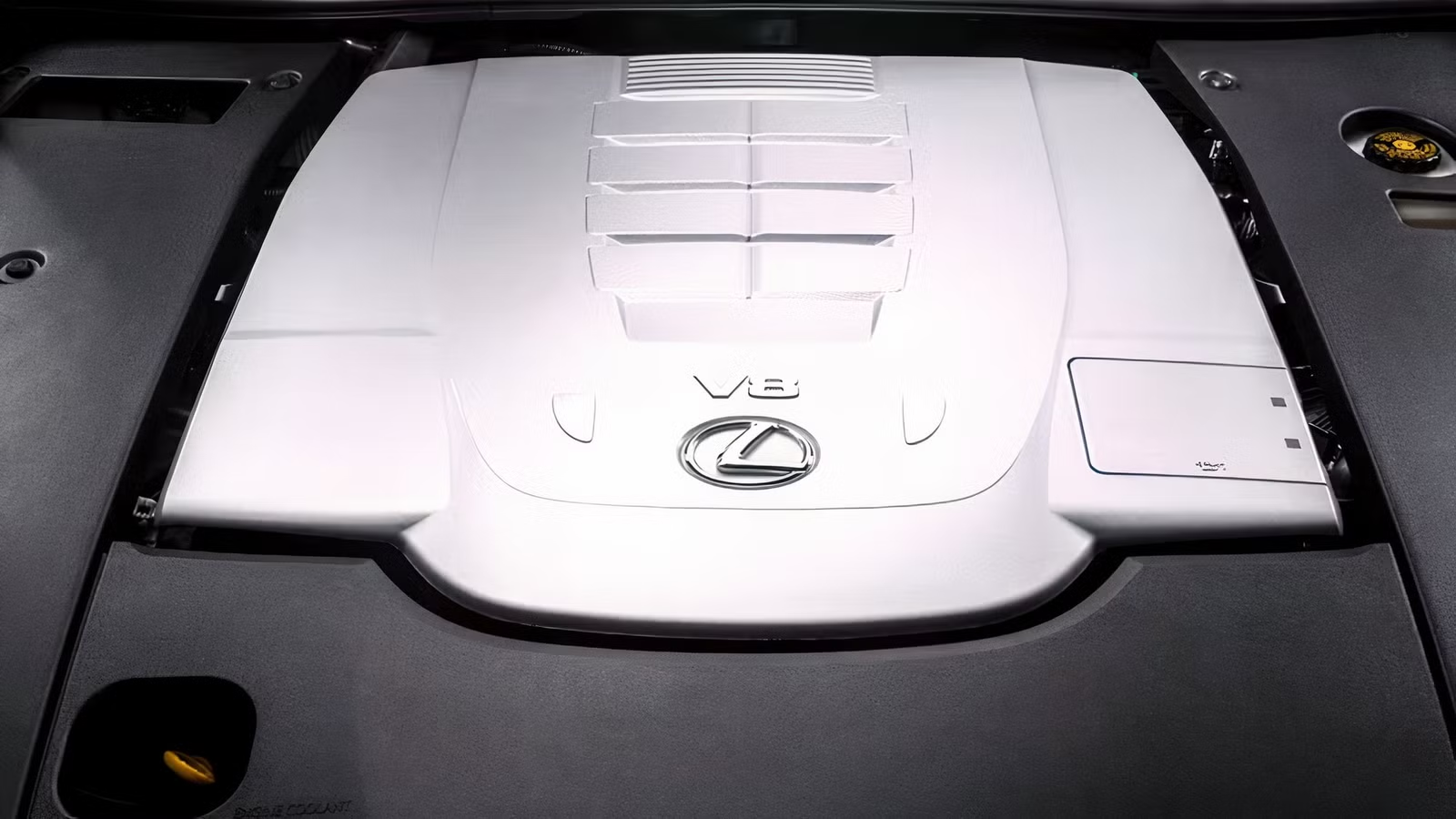
An aging luxury sedan can make you feel like you beat the system right up until the shop calls with an estimate. The newer car tempts you with more power and fewer trips to the gas station. The older one leaves thousands in your pocket and gives you the smooth, unhurried V8 that helped make the Lexus flagship famous.

The hard part is figuring out how much of that money actually stays in your pocket. A clean inspection can make an older car look like the deal of the decade. A suspension that clunks over the first speed bump can make the newer one look cheap in a hurry.
The Last V8 Starts With A $7,000 Head Start
The 2017 Lexus LS 460 Leaves Room In The Budget
Kelley Blue Book’s national Fair Purchase Price estimates put the 2017 Lexus LS 460 at $26,000 and the 2018 Lexus LS 500 at $33,000. For the driving and fuel comparison, the relevant pair is the standard-wheelbase LS 460 and the gasoline LS 500, both with RWD. The $7,000 gap gives a well-kept V8 a real advantage before either car turns a wheel.

That price difference is a starting point. If the cheaper car needs $2,000 in immediate work and the other needs none, the gap drops to $5,000 before the first tank of gas. Put that estimate alongside the asking price when comparing the two cars. This is also where a clean inspection can justify paying more for a better example. Compare cars with similar mileage, equipment, and accident history, then set their service records side by side. A folder of paid invoices is worth more to this decision than a fresh coat of tire shine.
Better Fuel Economy Chips Away At The Gap
At 23 mpg combined, the RWD 2018 LS 500 beats the RWD 2017 LS 460’s 19 mpg. Both take premium gasoline. At 12,000 miles a year and $4 per gallon, the V6 saves about $439 annually, or roughly $2,200 over five years. Fuel alone would leave about $4,800 of the original price gap.
Resale can narrow it further. If the LS 500 fetches $3,000 more when you sell, the V8’s remaining advantage drops to about $1,800 before maintenance, wear items, and repairs. That resale difference is an illustration. It shows how easily a few overdue jobs could swing the decision even when the older car looks comfortably cheaper on the lot.
Service History Can Swing The Long-Term Verdict
Even Routine Work Can Cost More On The V8

RepairPal estimates spark-plug replacement at $658 to $892 for the 2017 LS 460, versus $359 to $450 for the 2018 LS 500, before taxes, fees, and local adjustments. Look up the factory schedule and check the date and mileage on the last invoice. That tells you whether plugs, fluids, and other services belong in the first-year budget or farther down the road.
RepairPal puts average annual repair and maintenance costs for the LS 460 model line at $767. Your inspection tells you more about the first bill. Have the shop check for worn front control-arm bushings and cooling-system leaks, and verify that any optional air suspension holds its height. Price tires and brakes on the actual car, too. A quiet engine can sit above a chassis that needs plenty of attention.
For a five-year budget, start with the odometer reading and add 60,000 miles. Use each car’s maintenance guide to price the work that falls inside that window. A recent set of plugs or brakes can make a higher asking price easier to justify, especially if the cheaper candidate needs both before its next oil change.
Early LS 500s Have Issues You Can Check

Certain 2018 LS 500s were recalled due to a fuel pump that could fail, causing the engine to stall. Lexus also issued a service bulletin addressing transmission drivability concerns on some 2018 through 2020 cars. Check the recall status by VIN, look for invoices documenting completed work, and pay attention to shift behavior in both cold and warm conditions.
The twin-turbo engine also has hardware that the V8 lacks, including two turbochargers and associated plumbing. That adds potential repair expense, while the recall and service bulletin address specific issues. A documented LS 500 with smooth shifts can be an easier car to budget for than an LS 460 with worn suspension and years of missing receipts.
The V6’s Biggest Gain Shows Up Before Redline

Lexus rated the RWD LS 460’s naturally aspirated 4.6-liter V8 at 386 horsepower and 367 pound-feet of torque. It works through an eight-speed automatic. The LS 500’s twin-turbo V6 makes 416 horsepower and 442 pound-feet of torque and uses a ten-speed automatic. The extra 75 pound-feet arrives earlier in the rev range, which matters when a short on-ramp asks more of the engine than a quiet cruise does.
The V8’s appeal is the way its power builds as you lean into the accelerator. On a test drive, try a light pull away from a stop and then a highway merge. The newer car makes the stronger case if you like easy passing power. The older car has a character worth paying attention to if you prefer an engine that comes alive progressively.

The standard-wheelbase LS 460 gives rear passengers 35.8 inches of legroom, compared with 38.9 inches in the 2018 LS 500. Lexus even designed the older car’s wheels to help reduce noise. Drive both on coarse pavement and over a sharp bump, then spend time in the back seat. Tire noise, seat support, and the first jolt through the cushion tell you more about daily comfort than the options list. The early LS 500’s console touchpad also deserves a trial. Try changing the audio source or entering a destination while parked. Controls that take extra attention every day can matter more to you than a feature you use twice a year.
The 2021 LS 500 adds revised springs and dampers, seat cushions designed to reduce vibration, and a 12.3-inch touchscreen. At a Kelley Blue Book estimate of $44,400, it costs $11,400 more than a 2018 version. That premium makes sense if the ride and controls materially improve the time you spend in the car. If a 2017 model passes inspection and leaves a healthy repair reserve, it makes the strongest value case. If the V8 needs enough work to spend that reserve on day one, a well-documented V6 can be the better car to keep.
Sources: Lexus, Kelley Blue Book, Edmunds, Fueleconomy.gov, RepairPal, NHTSA

Related posts


Latest Post


No Comments