
The 700cc Motorcycle That Could Be The Only Bike Most Riders Ever Need

Motorcycles often have riders choose. A sport bike makes roads engaging, a tourer gulps down highways for breakfast, and an adventure bike ignites a rider’s streak to explore untapped terrains. Now, owning one of each would be a dream garage for most, right up until the insurance costs, maintenance bills, and space become concerns.
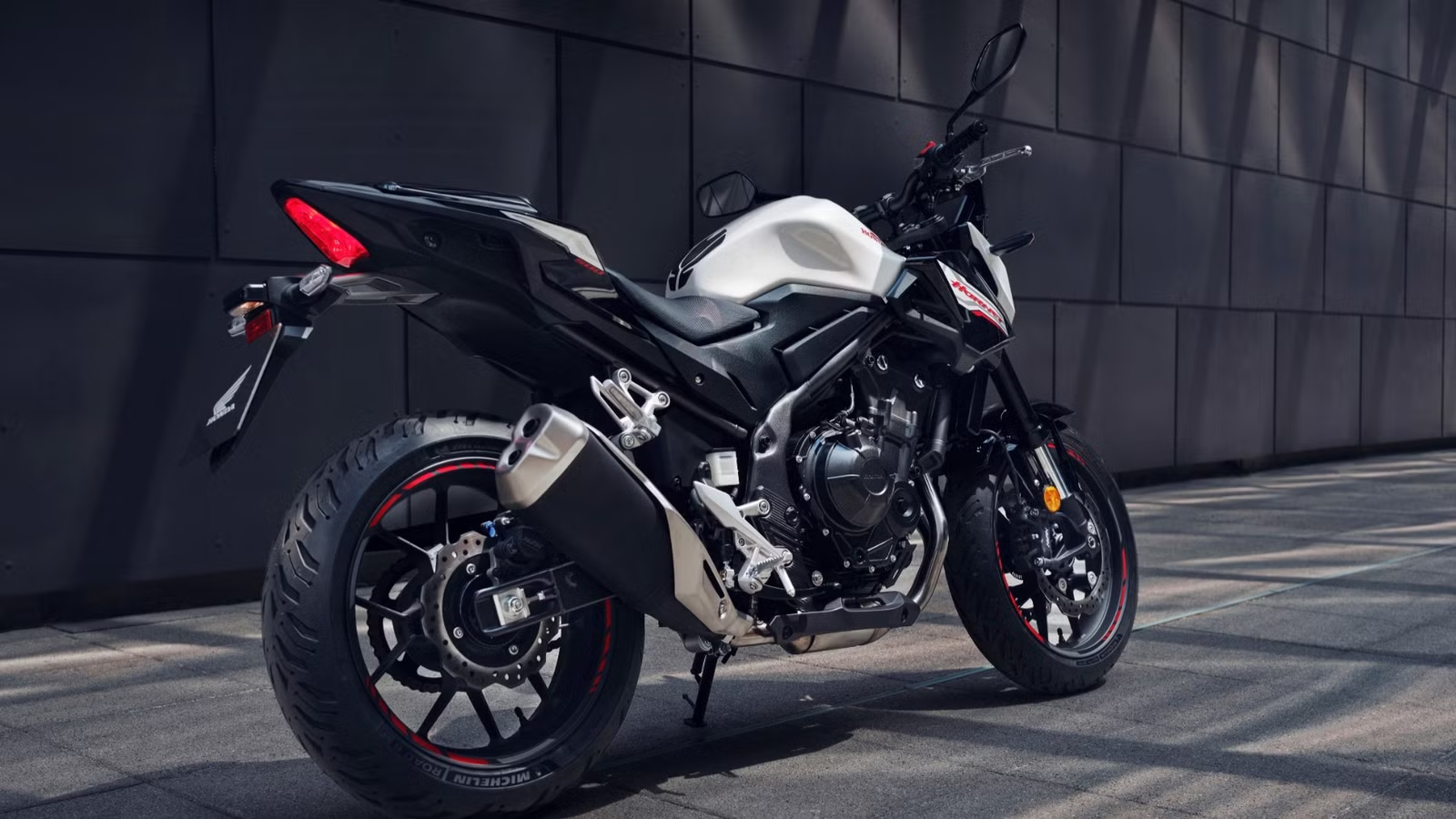
So, the most practical resolution is to find that one motorcycle that ticks all the boxes without being overdramatic in any situation. The 700cc class makes for a compelling option with enough grunt for long trips, without bringing the heft and money that big-bore machines demand. The challenge is to search for a ride that can turn that middleweight promise into everyday convenience.
Why A 700cc Works For All Kinds Of Riders In 2026
A 700cc badge doesn’t dictate a riding style or compromise convenience. The middleweight neighborhood is crowded with options, giving riders the leverage to choose between a naked roadster like the Yamaha MT-07, a faired sport tourer like the Kawasaki Ninja 650, or an adventure bike like the Honda Transalp. While they belong in the same middleweight class, they serve different purposes when it comes to dealing with the daily grind.

That diversity is part of the appeal. These motorcycles can offer ample performance for highway runs and weekend fun, without asking too much from the rider, unlike managing a liter-class engine. That said, one still has to factor in the weight, seat height (in the case of an ADV), and ergonomics. A middleweight doesn’t automatically become an ideal fit, but it does help you find a more sensible balance between performance and practicality. And one model from Yamaha proves it.
The Ténéré 700 World Raid Is One Of The Finest 700cc Motorcycles Out There

The 2026 Tenere 700 World Raid starts at $12,999 before Yamaha’s $675 destination charge, which makes it $2,000 more than the standard Tenere 700, so it needs to earn the premium through thoughtful upgrades rather than just seeking attention as a rally-inspired motorcycle. The Japanese manufacturer justifies the added cost with larger fuel capacity, upgraded suspension, cruise control, and a more advanced rider-aids package.
That level of equipment speaks to the bike’s core purpose: to take on a weekday commute, a long highway run, and an unplanned run into the unknown, without requiring a change of plan. It may not be equally appealing for dealing with those tasks, but it makes for a strong, credible answer for each.
The CP2 Twin Serves As An Integral Element

The 689cc CP2 parallel twin is the heart of the argument here. Yamaha’s published figures present an output of 72.4 horsepower and 50.2 pound-feet of torque. That is ample performance to tackle diverse riding scenarios, with a character that easily factors in changing surfaces and speeds.
The World Raid’s 6.1-gallon dual-tank setup is ideal for unplanned journeys. Yamaha claims an estimated range of 310 miles, though in the real world, it would depend on the rider’s throttle inputs, changing surfaces, and riding style. The split tank also helps keep the fuel load low along the sides of the bike, which reduces the feeling of carrying a large tank suspended on top of the motorcycle.
Upgraded Rally Hardware Adds Versatility

A 21-inch front wheel, an 18-inch rear, and fully adjustable KYB suspension give the World Raid the ability to take on the trails less explored. The generous 9.1 inches of travel upfront and 8.7 inches of travel at the rear further aid the bike’s ability to absorb rough terrain and stay composed where a road-focused motorcycle would be better off turning around.
The hardware comes at a cost to accessibility for shorter riders and those who are new to loose surfaces, as evidenced by its 485-pound wet weight and 35-inch seat height. So, the suspension and ground clearance prove to be great assets when the route gets rough, but less so when the rider has to creep through traffic.

A six-axis IMU supports lean-sensitive traction, slide, and brake control, while selectable ABS settings let riders tailor intervention for tarmac or dirt. The 6.3-inch TFT display, two throttle maps, and cruise control add convenience to everyday commuting and touring. These features give the World Raid a dual personality without making the rider go through a complicated setup.
Cruise control, in particular, makes sense on the highway. The off-road hardware is also easy to manage, thanks to the electronic aids. These electronics prove to be a useful backup, not a substitute for choosing a line or modulating the throttle. The bike’s height and weight are also factors that need to be considered.
If Off-Roading Isn’t Your Need, Consider The MT-07

The MT-07 uses the same 689cc CP2 engine that powers the World Raid, but with a different approach to the same middleweight idea. Its price starts at $8,599, tips the scale at 403 pounds wet, and has a 31.7-inch seat height. The lower, road-oriented setup makes it a more natural commuter. The World Raid is $4,400 dearer before destination, but brings with it more range, suspension travel, and equipment to tackle the rough.
That contrast is the point. The Tenere 700 World Raid isn’t the only viable motorcycle when it comes to finding the one-bike solution, and its tall, off-road-oriented setup is not to everyone’s liking. But for someone looking to commute, cover serious miles, and take the occasional detour into the unknown, it makes the 700cc territory less of a compromise and more like the ideal place to be.
Sources: Yamaha

Related posts


Latest Post


No Comments