
Seven ways to save money on EV charging
5. Join a roaming service
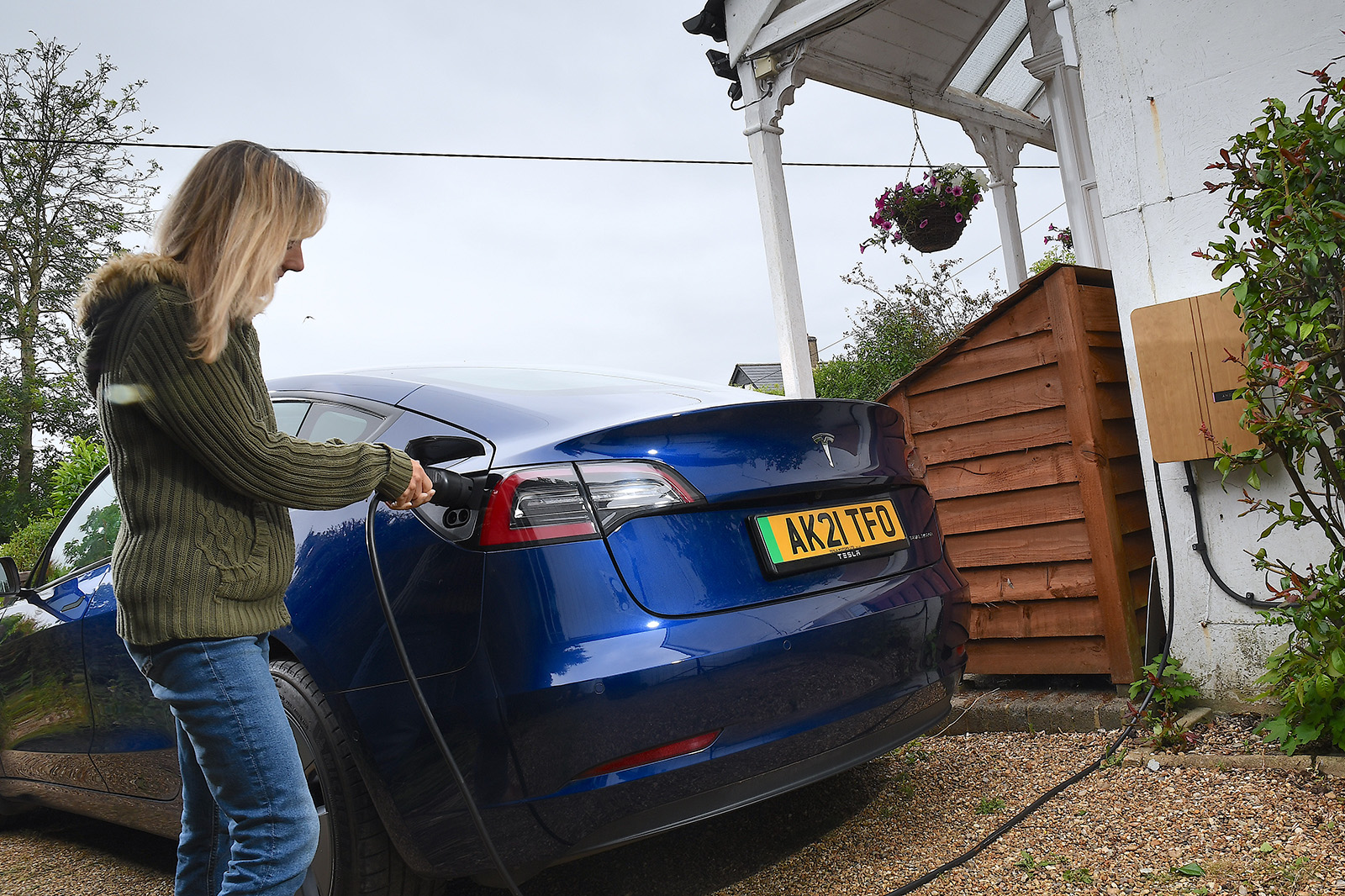
Don’t want to confine your discounts to a single charging network? Roaming services, such as Bonnet and Octopus Electroverse offer cut-price electrons (and other perks) across multiple brands, all from a single membership.
Each one works a little differently. Bonnet offers up to 15% off the advertised rate for its top-tier membership, while Octopus is free and offers up to 8% off all partner networks for its home energy customers with ‘plunge’ pricing when there’s an abundance of green energy on the grid.

As an added bonus, you get all of your public charging invoices in one place, which is useful if you’re sorting out your expenses claims at the end of the month.
6. Top up at work
Workplace charging is more common for van fleets, but it can also help company car drivers to go electric.
Work is a convenient place to plug in if you can’t do it at home, while also avoiding relying on expensive public chargers. That’s a win-win for most employers, some of whom offer discounted rates to help drivers, and there’s plenty of support available to help them put that equipment in the ground.

Fleets can claim up to £350 per socket for up to 40 workplace chargers and provide free charging without drivers being taxed for it, even if it isn’t used for business trips. That includes plugging in at your passenger’s workplace if you’re carpooling, but it’s worth check with their boss before you do so.
7. Hot tips
All cars lose a bit of range when temperatures drop off, but it’s more obvious with an EV. Cold conditions slow the chemical reactions in the battery, which hurts efficiency, and there’s no petrol or diesel engine for the car to scavenge heat from to warm the cabin. The result is reduced efficiency and higher costs.
There are ways to minimise that loss, though. Most EVs can be programmed to pre-warm the cabin and bring the battery up to its most efficient operating temperature before a set departure time, and it can do this using mains electricity if it’s still plugged in.
However, once you’re on the move, the best way to stay comfortable is using heated seats, steering wheels and heated windscreens. It’s quicker and uses less energy than heating all the air inside the car.

Related posts





Latest Post



No Comments