
EV emissions in spotlight as increased weight drives up tyre wear
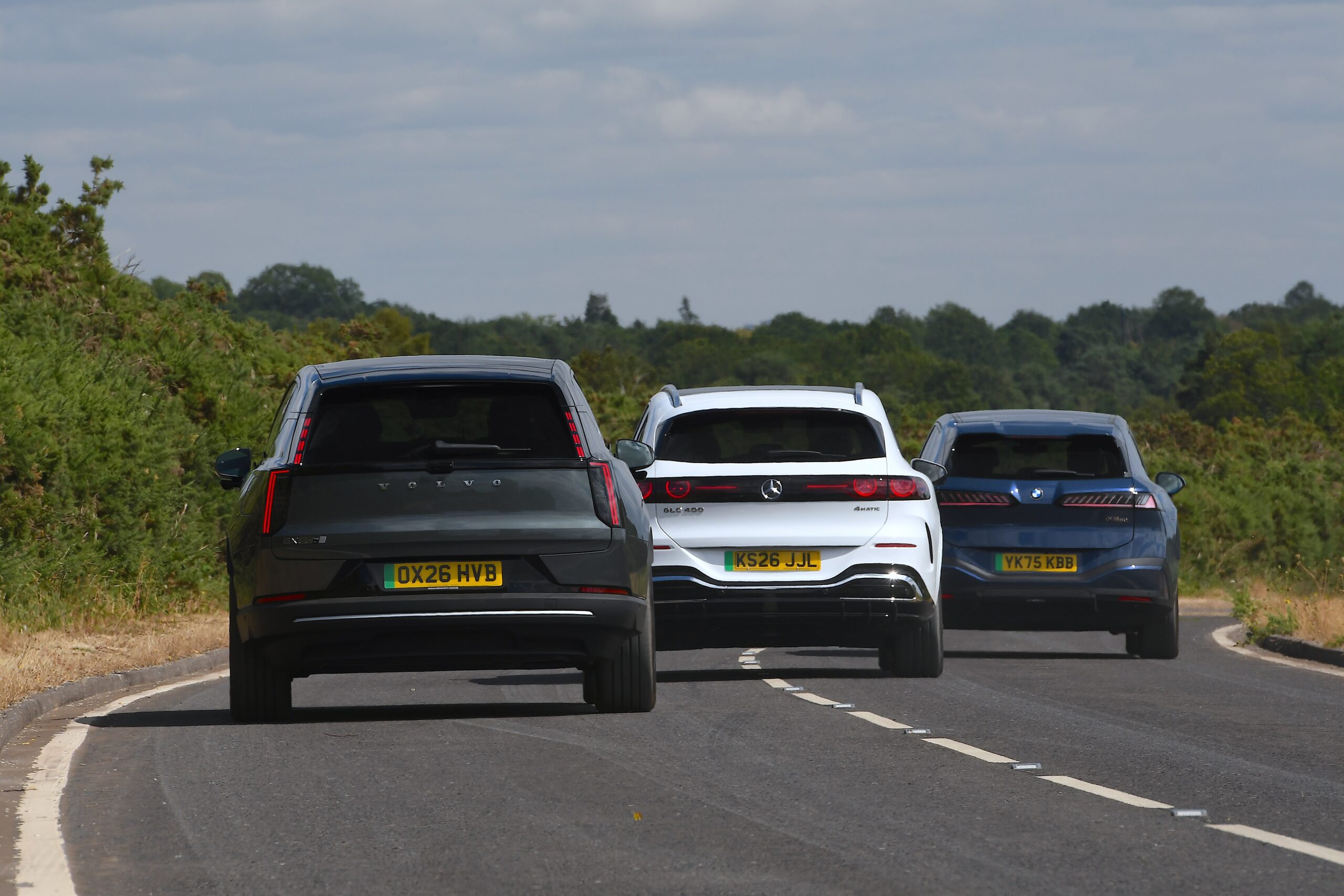
CAN EV-SPECIFIC TYRES CUT WEAR?
Molden said specialist EV tyres are generally “just offsetting the added wear from the extra vehicle weight and torque” but that comes at a price: EV tyres, “in round numbers, are up to 50% more expensive than normal ICE tyres”.
Molden said the main problem comes when “these heavy cars with high torque” are fitted with tyres “which are not suitable for that” and that the wrong tyre can double wear rates.
WHAT ABOUT EMISSIONS?

While EVs wear out their tyres more quickly, experts say increased degradation does not necessarily mean more pollution – but EV-specific rubber could bring its own set of concerns.
Andersson said wear and airborne emissions aren’t equivalent: “A tyre with higher overall wear does not necessarily generate proportionally more airborne particle pollution.”
Yet as impending Euro 7 abrasion standards compel manufacturers to create longer-lasting compounds, solving wear may simply shift the hazard. Molden said new compound formulations “will affect the toxicity of the particles”.

That chemical profile remains a critical blindspot. University of Surrey professor Prashant Kumar, who studies the impact of air pollution on health, said tyre-wear particles can contain metals and chemicals whose long-term health impact “is not very well understood”. Larger rubber fragments stay on the ground and are washed away by rain but finer particles “could become airborne” and pose a risk.
Asked to comment, the BTMA pushed back, saying any changes to materials or product design are subject to “extensive technical evaluation and scrutiny”.
SUSTAINABILITY CONCERNS
If EVs wear through tyres more quickly, another issue is what happens to them once they are spent.
Molden said “around two billion” end-of-life tyres are discarded globally per year. Manufacturing more tyres would add to CO2 emissions, he said, but that wouldn’t wipe out the overall CO2 advantage of an EV. He put this at “approximately 50% on a life-cycle basis”, not including the impact of the tyres themselves.

Related posts

Latest Post


No Comments