
2027 BMW X1: Still a Smart Buy Before the Refresh?
Article Summary
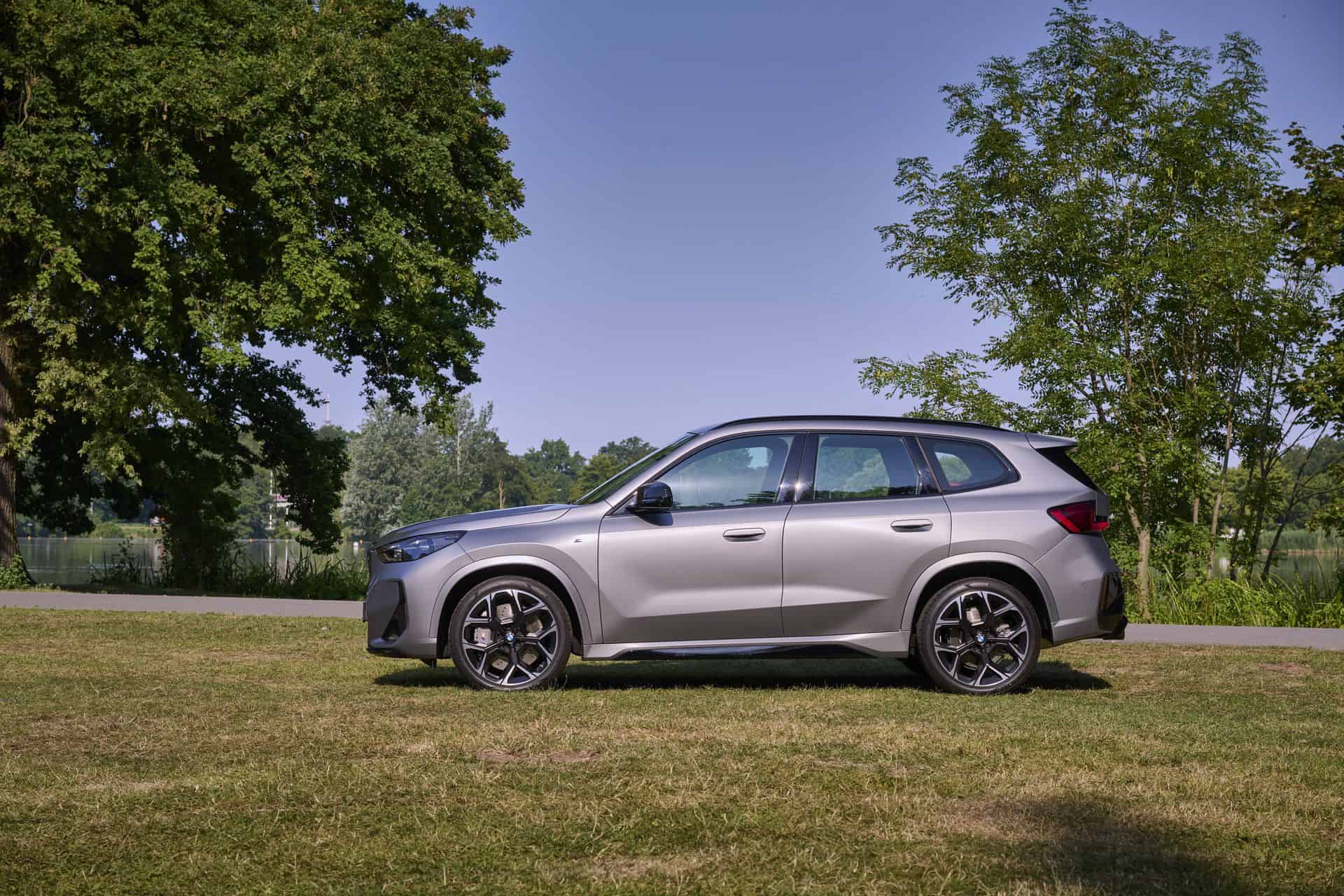
- The 2027 BMW X1 carries over unchanged, offering standard all-wheel drive and a choice of 241-hp xDrive28i or 312-hp M35i models.
- Pricing starts at $44,550 including destination, but expensive option packages can weaken the X1’s value proposition.
- Useful cargo space and familiar technology remain strengths, although buyers who can wait may want to consider the approaching refresh.
The 2027 BMW X1 arrives completely unchanged for the model year. Not too surprising when you consider a facelift is getting pretty close—look for updated models to arrive next year. In the meantime, BMW’s smallest SUV still makes a convincing case for itself. But, as before, its value depends on keeping the final price in perspective. With only a very small price increase there’s little not to like about the 2027 BMW X1.
2027 BMW X1 Engine, Transmission, and Performance

Both U.S. X1 models use a turbocharged 2.0-liter four-cylinder engine, a seven-speed dual-clutch automatic transmission, and standard xDrive all-wheel drive. The xDrive28i produces 241 horsepower and 295 pound-feet of torque, with BMW quoting a zero-to-60-mph time of 6.2 seconds. Good enough for buyers who primarily want a premium daily driver with some personality.
The M35i increases output to 312 horsepower while retaining the same 295 pound-feet. BMW’s current U.S. specification lists a 5.2-second sprint to 60 mph. Independent tests see that number drop into the high four-second range. Adaptive M Suspension and M-specific chassis tuning add to the appeal, while quad exhaust outlets and an M steering wheel make the upgrade easy to spot. It’s the enthusiast’s choice, although the base car already offers enough performance that the extra expense needs to serve a purpose.
2027 BMW X1 Fuel Economy and MPG

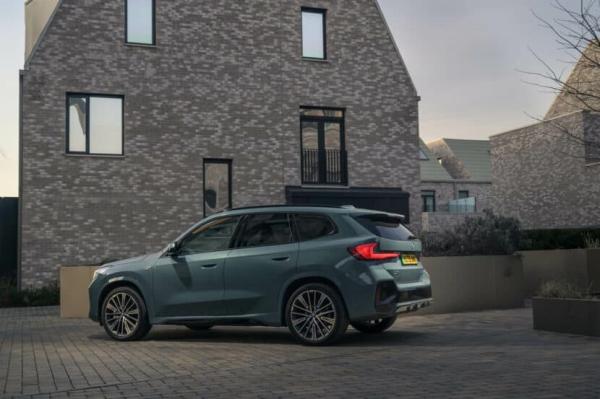
The EPA hasn’t published estimates for the newest model, but last year’s X1 xDrive28i achieved 25 mpg city, 34 mpg highway, and 28 mpg combined. The hotter M35i barely skips a beat, returning 24/32/27 respectively. There’s no plug-in-hybrid X1 in the American lineup. If electric commuting is a priority, this particular BMW won’t meet that requirement for U.S. drivers. However, the 2028 iX1 might fill that role. For buyers sticking with gasoline, the xDrive28i is the sensible starting point; the M35i’s primary justification is its additional performance.
Interior and Cargo Space
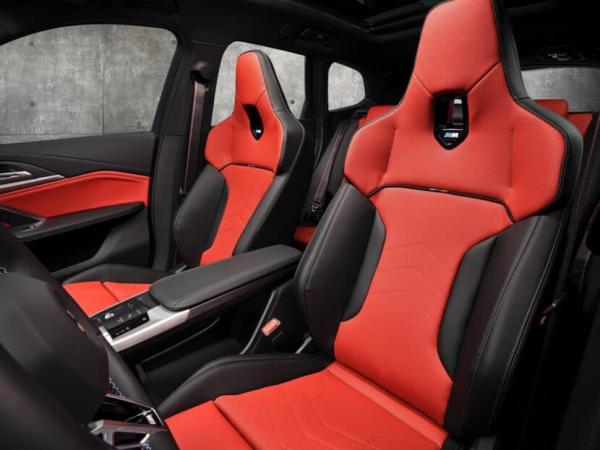
The X1’s cabin gives you several reasons to consider the smallest SUV in BMW’s range. There’s no leather option, but Veganza does a decent job of making the cabin still feel premium. Heated seats became standard last year, which remains a sold value bump. There’s nothing groundbreaking here; the X1 echoes BMW interiors of the last five years faithfully. The X1 offers slightly more rear legroom than both the Audi Q3 and Volvo XC40.
Practicality is a stronger selling point than the X1’s position in the lineup might suggest. BMW lists 25.7 cubic feet of cargo space behind the rear seats and 57.2 cubic feet with them folded. The 40/20/40 rear-seat split also lets you carry longer items while retaining seats for two rear passengers.
2027 BMW X1 Technology and Connectivity
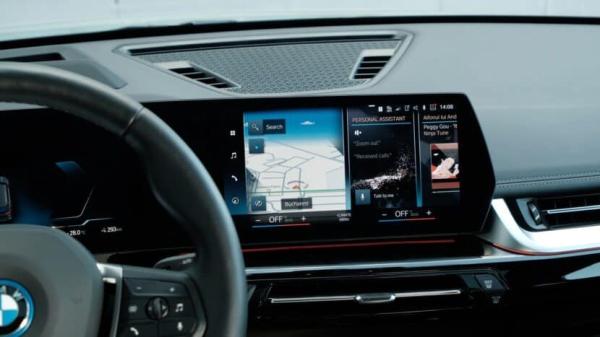
BMW Curved Display combines a 10.25-inch digital instrument cluster with a 10.7-inch central touchscreen. Operating System 9, wireless Apple CarPlay and Android Auto, and a standard wireless charging tray. For the xDrive28i, the $1,400 Convenience Package adds a panoramic moonroof, heated steering wheel, and remote engine start. We’d put it ahead of the $2,900 Technology Package for most buyers. The latter becomes more compelling if you specifically want the head-up display and Parking Assistant Plus, whose additional cameras provide a view around the vehicle. Otherwise, it’s a substantial expense on a car whose appeal includes affordability.
Safety and Driver Assistance Features
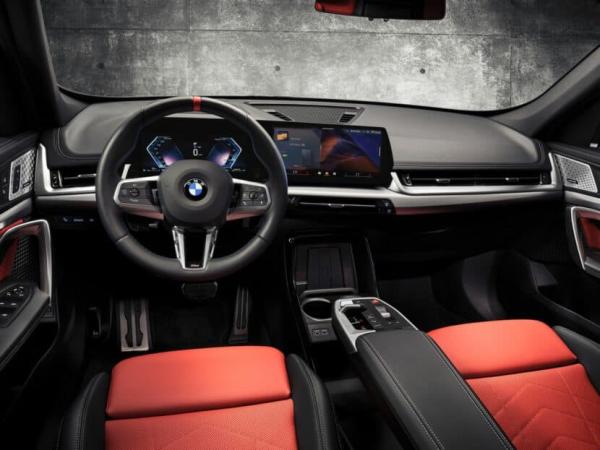
Standard equipment includes Active Blind Spot Detection, Lane Keeping Assistant, Forward Collision Mitigation, and Active Park Distance Control with Side Protection. The $500 Driving Assistance Plus Package is worth considering if you spend a lot of time on the highway. The $1,700 Driving Assistance Professional Package warrants a closer look for buyers whose routines involve frequent congestion. The tech works well enough but, again, it encroaches on the X1’s otherwise favorable value proposition.
2027 BMW X1 Pricing and Production Timeline
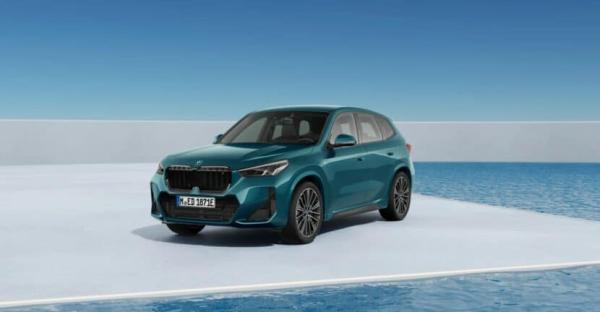
The 2027 X1 xDrive28i starts at $43,200 before destination, $500 more than last year. The M35i opens at $52,400. Including the $1,350 destination charge brings those figures to $44,550 and $53,750, respectively. The X1 undercuts most of its rivals on price; although the Volvo XC40 is slightly less, Audi’s Q3 and the MB GLB costs more. The Mercedes GLA’s price is nearly identical to the X1, rumored to be around $42,000. The X1’s small price hike isn’t enough to make it lose any ground here. The 2027 model year starts production in September 2026.
2027 BMW X1: Our Take
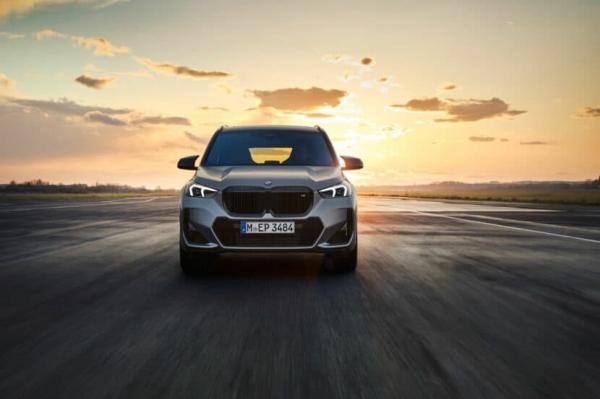
There’s nothing new for the U11 X1 this year, but change is coming quick. To that end: waiting until next year isn’t a bad call if you aren’t afraid of what might change in the display/dashboard area. That said, there’s no glaringly obvious reason not to pick the 2027 BMW X1, as it remains as good a value buy as ever. Do we wish there was a RWD version, an electric or hybrid version, or maybe a radical X1 M? Sure, but the standard car fills its niche just fine.

Related posts






Latest Post



No Comments