
Volvo Discontinued The Last Affordable Sleeper Wagon That Made The Audi RS6 Look Overpriced
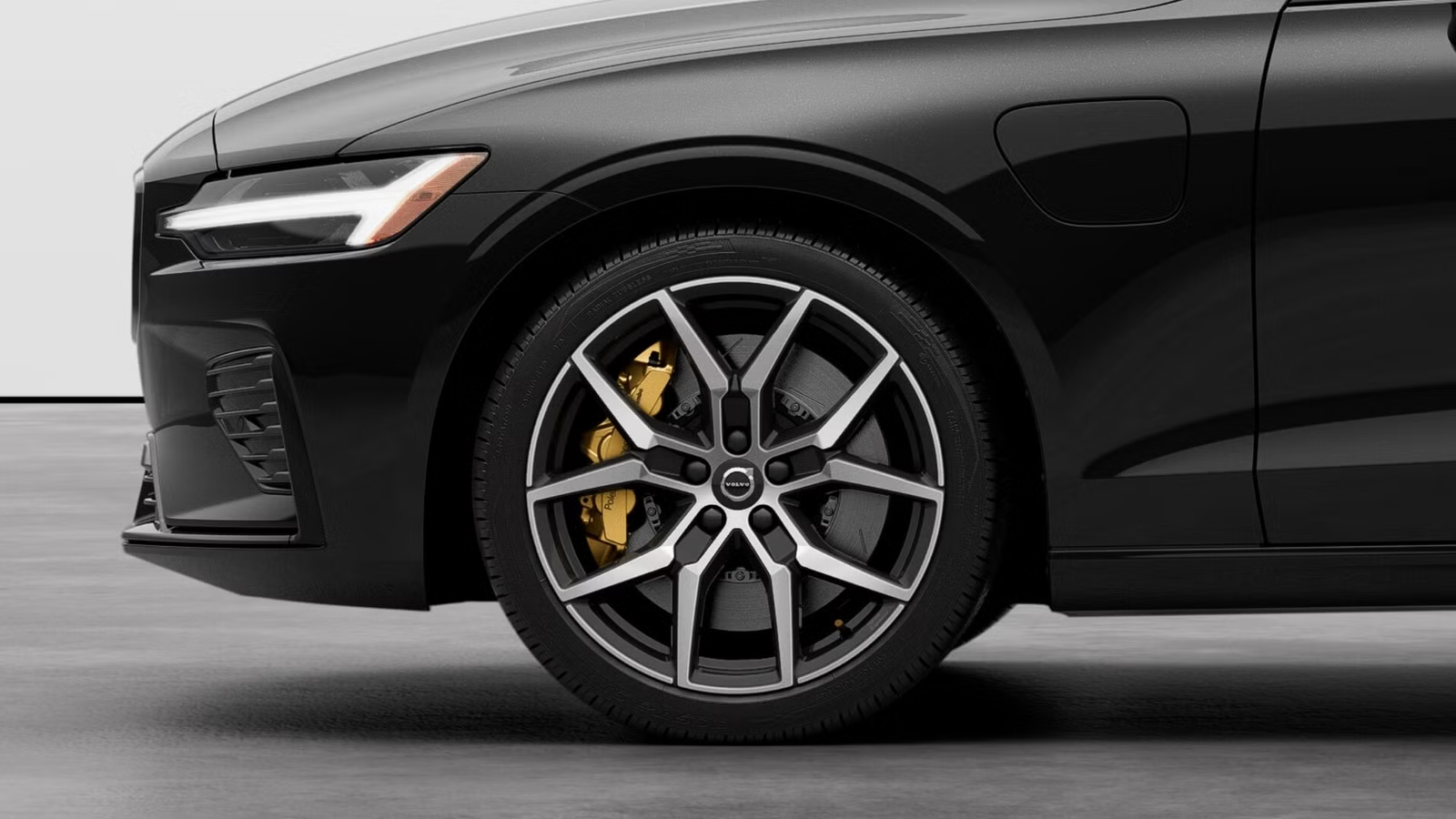
Volvo spent three decades building wagons that looked like they hauled Labradors and antique dressers, then embarrassed sports cars at traffic lights. That double life made the brand a cult favorite among enthusiasts who wanted speed without the attention. The last of those cars went quietly. No big send-off, just a short statement and dealer lots that slowly ran dry. It matched a German super-wagon on the road for tens of thousands less, and now it’s gone from American showrooms for good.
Volvo’s Long History Of Fast Wagons That Looked Sensible

The modern sleeper wagon habit kicked off with the Volvo 850 T5-R. It arrived in 1995 with a turbocharged five-cylinder making 240 horsepower, Porsche consultancy on the tuning, and a Cream Yellow paint option that nobody could miss. A year earlier, Volvo had even raced an 850 estate in the British Touring Car Championship. A family wagon. On a race grid.
Then there’s Paul Newman. His most famous Volvo, a 960 wagon built by Converse Engineering, hid a supercharged Ford 5.0-liter Windsor V8 under that boxy hood, good for roughly 380 hp and around 400 lb-ft, all fed through a Mustang T5 manual. From the outside, it looked like it was heading to the garden center.
Why Fast German Wagons Got So Expensive


Germany took the fast wagon idea and priced it like a luxury good. The 2026 Audi RS6 Avant starts at $133,295 in the US, and for that money buyers get a 621-hp twin-turbo V8, 627 lb-ft of torque, and a tested 3.2-second sprint to 60 mph. Brilliant car. Brutal sticker.
That left a gap in the market for enthusiasts who wanted a quick, practical wagon without a six-figure bill. Few automakers bothered to fill it. One Swedish brand did, and it did it with a plug-in hybrid.
The Volvo V60 Polestar Engineered Was A 455-HP Family Wagon In Disguise

The Volvo V60 Polestar Engineered paired a turbocharged 2.0-liter four up front with electric power at the rear axle, for a combined 455 hp and 523 lb-ft of torque. Independent tests put 0 to 60 mph at 4.1 to 4.3 seconds, and one test car ran the quarter mile in 12.6 seconds at 109.3 mph. Volvo estimated 41 miles of electric-only range, and a 75-mph highway test stretched that to 44.
Volvo didn’t stop at the powertrain. Polestar fitted adjustable Öhlins dampers and Brembo brakes, hardware that gave the game away only to people who knew where to look.
How The V60 Polestar Engineered Stacks Up Against The Audi RS6 Avant

The Audi wins the drag race, no argument. It has 166 more horsepower and gets to 60 mph nearly a second sooner. It’s also roughly 360 lbs heavier on the scales, at 4,857 lbs against the Volvo’s 4,494 lbs, and it costs far more to put in the driveway.
The V60 Polestar Engineered carried a US base price of $72,345, against $133,295 for the 2026 RS6 Avant. That’s a gap of nearly $61,000, or about 54% of the Audi’s price for a wagon that still hits 60 mph in the low fours. The Volvo also runs to the grocery store without burning any fuel at all.
What A Used V60 Polestar Engineered Costs Now

Volvo stopped selling the V60 Polestar Engineered as a new car in the US in early 2025. The V60 Cross Country followed it out, with US production ending in April 2026, leaving Volvo without a single wagon in its US lineup.
Used prices have held up well for a plug-in hybrid. A 2023 V60 Polestar Engineered with 31,000 miles sold for $61,500 in July 2026, and a 47,000-mile car fetched $59,500 that May. The cheapest recent sale was $49,000 for a 2023 car with just 1,000 miles, so bargains do slip through.
The Manually Adjustable Öhlins Dampers Buyers Need To Understand

Reviewers can’t agree on the ride. Some called it stiff and rubbery, while others found it compliant. Both camps are right, because the Öhlins dual-flow-valve dampers adjust only by hand, through a knob on top of each strut. The factory setting sits on the firm side, a softer ride is a few clicks away, and every used car rides however its last owner left it.
That’s a race car feature on a family wagon, not a flaw. Before writing off a car on a test drive, check the damper settings, dial them back toward the soft end, and drive it again. Set properly, the V60 Polestar Engineered is the last real Volvo sleeper wagon, and once the remaining cars are snapped up, there won’t be another.
Sources: Edmunds, Classic.com

Related posts




Latest Post



No Comments