
The Ultra-Reliable Used Miata Alternative No One Is Paying Attention To
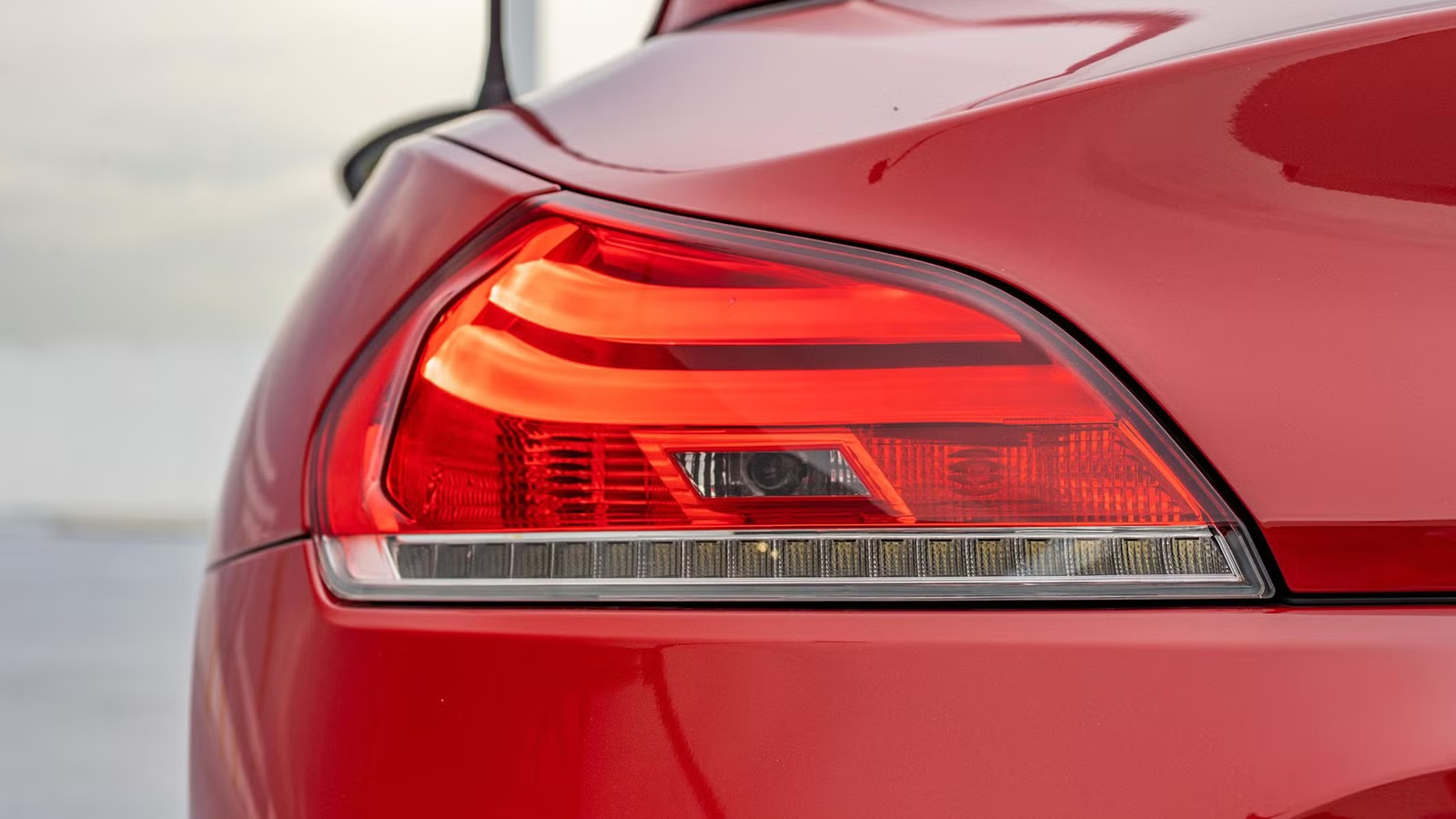
Every seasoned enthusiast knows the go-to answer when someone asks for a reliable daily-driven sports car. It’s a perfectly good answer — but it’s also the obvious one. What if you want something with a longer wheelbase, a bigger engine, and a badge that turns heads for different reasons? What if you’re willing to do a little homework in exchange for a more serious driving experience, without sacrificing the dependability that makes a sports car genuinely livable? Miata is always the answer There is another sports car that fits that brief — unconventional, a touch pricier, but reliable enough to deserve serious consideration. It’s not another compact Japanese roadster; it’s a German sports car that slips under the radar as a used Miata alternative worth a long, hard look.
The E89 BMW Z4 Is An Overlooked Mazda Miata Alternative
 102 autotech Engine |
Transmission |
Power |
 172 autotech Torque |
|
3.0L N52 inline-six (Z4 sDrive30i) |
6-speed manual / 6-speed automatic |
255 hp |
220 lb-ft |
|
3.0L N54 twin-turbo inline-six (Z4 sDrive35i) |
6-speed manual / 6-speed automatic |
300 hp |
300 lb-ft |
|
3.0L N54 twin-turbo inline-six (Z4 sDrive35is) |
7-speed DCT |
335 hp |
332 lb-ft |
|
2.0L N20 turbo inline-four (Z4 sDrive28i) |
6-speed manual / 8-speed automatic |
240 hp |
260 lb-ft |
The BMW Z4 E89 generation was sold in the US from 2009 to 2016 and marked a clear departure from earlier Z4s. Designed by Juliane Blasi and Nadya Arnaout, it swapped the soft top for a power-folding retractable hardtop, eliminating the need for separate roadster and coupe variants. That change improved structural rigidity and pushed the Z4 toward being a more practical, daily-friendly sports car. It retained the classic formula of a front-mounted inline-six, an available manual transmission, rear-wheel drive, and a well-balanced chassis.

When these cars were new, the Mazda MX-5 Miata was sold in the US with a single naturally aspirated 2.0-liter MZR four-cylinder. Early cars made 166 hp and 140 lb-ft of torque, with a 2009 update nudging output to 170 hp. The Z4 was a considerably more serious — and more expensive — roadster by comparison. Today, however, it’s a genuinely overlooked alternative that offers equivalent or better performance and reliability at a surprisingly accessible price. The E89 Z4 makes a compelling case against the current Mazda Miata ND, which produces 181 hp and 151 lb-ft of torque, as well as any Miata that came before it. Here’s how they stack up and why the Z4 comes out on top.
How The E89 Stacks Up To The World’s Most Reliable Roadster

The Z4 launched with the N52 sDrive30i and N54 sDrive35i, later adding the higher-output 35is and, after 2011, the N20-powered sDrive28i. Notably, there was never an M version of the E89 Z4. Every E89 Z4 variant sold in America is still more powerful than a Miata and offers at least comparable performance — and in many cases better. For example, both the least powerful 3.0-liter naturally aspirated N52 and the 2.0-liter turbocharged N20 match the 181-hp current Miata’s 0–60 mph time of around 5.6 seconds. Being quick is one thing, but the right Z4 will also match the Miata in long-term durability. Here’s how every Z4 option stacks up and which one to buy.
3.0L N52 I6 (Z4 sDrive30i)

|
Engine |
Power |
Torque |
0-60 MPH |
|---|---|---|---|
|
naturally aspirated 3.0-liter inline-six |
255 HP |
220 LB-FT |
5.6 seconds |
The N52-powered sDrive30i was offered in the US from 2009 to 2011, covering the early years of the E89. This naturally aspirated 3.0-liter inline-six produces 255 hp and 220 lb-ft of torque — a very different character from BMW’s later turbocharged engines. Paired with the 6-speed manual, the naturally aspirated Z4 sprints to 60 mph in 5.6 seconds. The 6-speed automatic takes just over 6 seconds.
According to BMW Blog, the N52 is widely regarded as one of BMW’s most reliable modern engines, with many examples comfortably exceeding 200,000 miles when properly maintained. Its naturally aspirated design and relatively straightforward mechanical layout underpin that long-term durability. The most common issues are age-related rather than structural, and typically involve oil leaks that are generally affordable and uncomplicated to address. Two areas to monitor proactively are the oil filter housing gasket and the so-called Mickey Mouse coolant flange, both of which are prone to seeping over time. Caught early, neither is a serious problem. Among all E89 engine options, the N52 is widely considered the safest long-term ownership bet, both mechanically and financially.
3.0L N54 Twin-Turbo I6 (Z4 sDrive35i / sDrive35is)

|
Engine |
Power |
Torque |
0-60 MPH |
|---|---|---|---|
|
twin-turbo 3.0-liter inline-six |
300/335 HP |
300/332 LB-FT |
5.7/4.8 seconds |
The N54 inline-six was available in the US from 2009 to 2016 in the sDrive35i, with the higher-output 35is arriving later and running through the end of production. In sDrive35i trim, the twin-turbocharged inline-six produces 300 hp and 300 lb-ft of torque, giving the Z4 straight-line performance that still impresses by modern standards.
With the manual gearbox, the Z4 sDrive35i reaches 60 mph in 5.7 seconds — substantially quicker than its contemporary Miata (NC) and roughly on par with the current ND Miata. The sDrive35is raises the stakes further, pushing output to 335 hp and 332 lb-ft, while dropping the manual entirely in favor of a 7-speed dual-clutch transmission, sharpening acceleration to 4.8 seconds to 60 mph.
The engine is equally appreciated for its aggressive exhaust note and pronounced intake sound, both of which respond well to aftermarket upgrades. That performance comes with trade-offs. The N54, while robust, carries well-documented reliability concerns — most notably high-pressure fuel pump failures that can cause hard starts, limp mode, or no-start conditions, even after replacements. Direct injection leads to carbon buildup on intake valves, requiring walnut blasting every 40,000 to 60,000 miles. Wastegate rattle is another common complaint, affecting boost control, along with frequent oil leaks from multiple gaskets. This is a powerhouse, but it is not more reliable than a Miata.
2.0L N20 Turbo I4 (sDrive28i)

|
Engine |
Power |
Torque |
0-60 MPH |
|---|---|---|---|
|
turbocharged 2.0-liter four-cylinder |
240 HP |
260 LB-FT |
5.6 seconds |
Introduced in 2011 as part of the mid-cycle refresh, the N20-powered sDrive28i replaced the 30i in the US lineup and ran through 2016. This turbocharged 2.0-liter four-cylinder makes 240 hp and 260 lb-ft of torque — down on horsepower compared to the inline-six engines on paper, yet the Z4 still sprints to 60 mph in 5.6 seconds, putting it squarely in line with the current ND Miata.
Peak torque arrives early in the rev range, making the car feel responsive around town and easier to live with day to day. The lighter engine also results in lighter, quicker steering that some drivers genuinely prefer on tight roads. Buyers could choose between a 6-speed manual or an 8-speed automatic — the latter being among the most well-regarded automatic transmissions available. It lacks the sound and character of the inline-sixes, but as a modern, efficient sports car engine to rival a Miata, the N20 fits the E89 surprisingly well.
The N20 responds well to tuning, with ECU remaps yielding gains of 40–60 hp without major hardware changes. Its main weakness is timing chain wear on pre-2015 engines, which can cause serious damage if left unaddressed. Other common issues include oil leaks, occasional high-pressure fuel pump failures, and aging turbo hardware. Post-2015 engines with updated components are significantly more reliable when properly maintained.
The Most Reliable Used BMW Z4 E89 To Buy

If long-term reliability is the priority, the BMW Z4 sDrive30i with the N52 inline-six is the safest used buy. The 6-speed manual transmission is also easier to maintain than the automatic. Sold from 2009 to 2011, it avoids turbochargers, high-pressure fuel system complexity, and timing chain concerns that affect the N54 and early N20 engines.
The N52’s issues are well understood — mostly gasket leaks and coolant flanges — and are comparatively inexpensive and predictable to address. Performance remains strong, with sub-6-second 0–60 times in manual form, matching current Miata performance while keeping ownership stress low. Mechanically simpler, cheaper to maintain, and proven to last well past 200,000 miles, the sDrive30i manual strikes the best balance of speed, durability, and financial sense.
The E89 Z4 Is A Used Bargain Hiding In Plain Sight

Today, the pricing gap versus a Miata is smaller than most people expect. Based on Classic.com average used prices, the E89 Z4 averages $22,796, with the sDrive30i at $22,458, the sDrive35i at $23,429, the sDrive28i at $20,988, and the 35is climbing to $27,666. A comparable-era Mazda NC MX-5 Miata averages $15,620. That premium buys more power, a stiffer chassis, and a reputation as one of the more dependable modern German sports cars when properly maintained. Compared to a used Miata from the current ND generation, the Z4 is actually in similar territory, with ND examples averaging around $25,453.

BMW Z4 E89 Average Used Price Range (Classic.com)
- E89 Z4 average used price: $22,796
- Z4 sDrive30i: $22,458
- Z4 sDrive35i: $23,429
- Z4 sDrive28i: $20,988
- Z4 sDrive35is: $27,666
What It Costs To Maintain A Used BMW E89 BMW Z4

Maintenance costs for the E89 Z4 are more manageable than its German pedigree might suggest. When kept up properly, the E89 Z4 is considered highly reliable. RepairPal gives the Z4 a reliability score of 3.0 out of 5.0 — and against other European two-seat sports cars, it comes across as predictable and manageable rather than a fragile money pit.
Average annual repair costs run between $798 and $890, which is higher than a Miata but well short of exotic-car territory. This is a car that rewards a maintenance budget and a proactive ownership approach. It’s also worth noting that the classifieds regularly turn up high-mileage examples with over 100,000 miles on auction platforms like Cars and Bids and Bring a Trailer — a testament to how well these cars hold up when looked after.
What To Look For When Buying A Used BMW Z4 E89
Buying a used BMW Z4 E89 can be a smart move, but only if you know what to look for. While these cars are generally reliable — especially compared to many German performance cars — condition and maintenance history matter far more than mileage alone.
Key Inspection Points Before You Buy
- Service Records: Prioritize cars with detailed maintenance history, especially oil changes and cooling system work
- Oil Leaks: Check for leaks around the valve cover gasket and oil filter housing, particularly on N52 engines
- Cooling System Components: Plastic parts like coolant flanges and expansion tanks can become brittle with age
- Turbo Health (N54/N20): Listen for wastegate rattle and check for boost inconsistencies or warning lights
- Timing Chain (N20): Ensure updated components are installed on pre-2015 models
- Roof Mechanism: The retractable hardtop should operate smoothly without hesitation or strange noises
Best Value Configurations To Target
|
Model |
Why It’s A Smart Buy |
|---|---|
|
sDrive30i (N52) |
Most reliable, simplest engine, lowest long-term cost |
|
sDrive28i (post-2015 N20) |
Good balance of efficiency and performance |
|
sDrive35i |
Best for performance, but only if well-maintained |
A well-kept Z4 with higher mileage is often a safer bet than a neglected low-mileage example. These cars reward proactive ownership, and buyers who take the time to find a clean example will end up with a genuinely usable and enjoyable daily sports car.
Solid Miata Alternatives To Consider Over The Z4

If your priority is long-term dependability above all else, there are a few proven alternatives that score higher on reliability charts than the often-overlooked Z4. None offers the same engine layout or driving position, but each brings simpler mechanicals, fewer known failure points, and a track record that appeals to risk-averse buyers.
Toyota MR2 Spyder

The MR2 Spyder is the outlier here, but from a reliability standpoint it’s hard to argue against. It uses Toyota’s 1.8-liter 1ZZ naturally aspirated inline-four, shared with several Corolla-era models, paired to either a 5-speed manual or an automated manual. With minimal electronics, no forced induction, and a curb weight well under 1,000 kg, there’s simply less to go wrong.
Reliability ratings hover around 4 out of 5, and most failures are age-related rather than design flaws. On the used market, the MR2 Spyder averages around $10,911, making it the most affordable entry point into a lightweight, rear-driven sports car with proven mechanical durability.
Ford Fiesta ST

The Fiesta ST represents the modern hot hatch approach to the same brief. In the US, it came exclusively with a turbocharged 1.6-liter inline-four and a 6-speed manual. Despite the forced induction, the engine is relatively understressed and reliable, and it benefits from wide parts availability and straightforward servicing.
With a 4 out of 5 reliability rating, the Fiesta ST has fewer known systemic issues than many European performance cars. Used prices average around $12,750, reflecting strong demand but also predictable ownership costs. Compared to the Z4, it trades complexity and luxury for mechanical simplicity and cheaper repairs.
Sources: RepairPal, Classic.com, BMW Blog, Bimmer Forum

Related posts
Latest Post


No Comments