
Chevy Broke 120 MPH In The Quarter-Mile, Then Quit Drag Racing
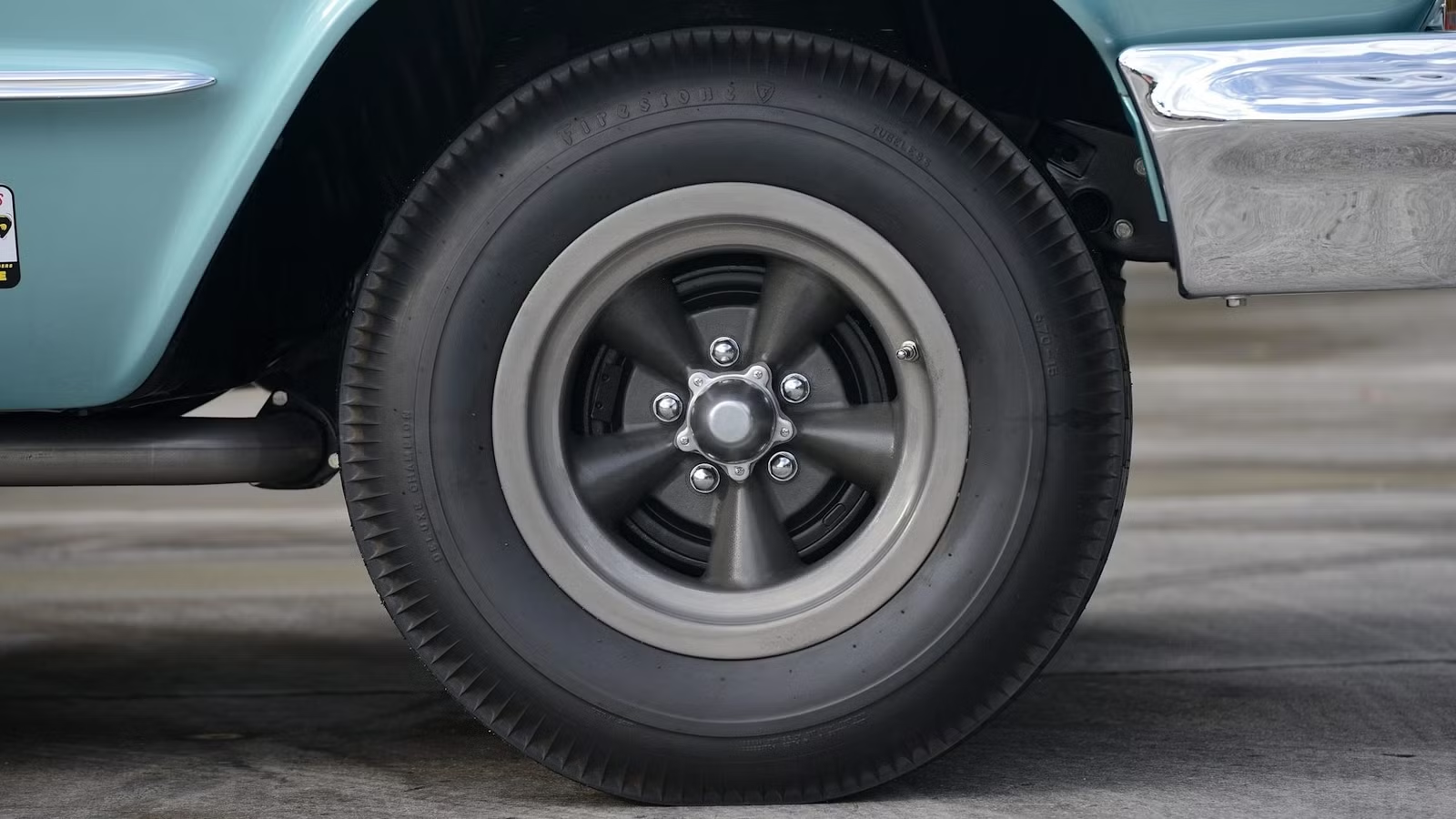
The modern mind can’t comprehend the arms race between Detroit’s factory-built drag racers in the early 1960s. All three major automakers were boring out huge engines, cramming them into cars—midsize or smaller—tossing steel for fiberglass or aluminum, and tearing off everything that didn’t make the resulting street weapon faster. But even the quickest couldn’t seem to hit 120 mph in the quarter mile. Enter Chevrolet.
Detroit’s Factory Drag-Racing War Inspired Quarter-Mile Monsters

By 1962, multiple automakers were knocking at 120 mph’s door. Hayden Proffitt’s 421 Super Duty Catalina had run 12.55 seconds at 110.29 mph at the 1961 U.S. Nationals, while surviving histories of Howard Maseles’ lightweight 1962 Packer Pontiac put its best at 11.73 seconds and 118 mph. And Pontiac’s quarter-mile monsters were getting more extreme every year. Engineers were planning to drill holes in the frame of their 1963 factory racer to field what was essentially a lightweight but disposable factory drag racer.
The Mopars were even quicker. Plymouth’s 1962 competitor was the 413-cubic-inch Maximum Performance Wedge with dual four-barrels. It was less family sedan than factory-built quarter-mile weapon, and Tom Grove’s example wore the perfect name: Melrose Missile. His Plymouth ran 11.93 seconds at 118.57 mph at Fremont on July 15, then later reached 119.20 mph. A well-timed sneeze might have pushed it past the magic number. Instead, a Chevy would be credited with cracking 120 mph. But not until 1963.
Chevy’s 409 Impala Was Only The Beginning


Chevy’s 1962 offering was no slouch. The Bowtie built up a 409-cubic-inch V8 with dual four-barrels and a tidy 409-horsepower rating. Racers campaigning the combination included Dave Strickler, Don Nicholson, and Hayden Proffitt, and Nicholson won the 1962 NHRA Winternationals in a 409 Chevy. But Chrysler and Pontiac and Ford were trimming weight as aggressively as they added power. The Blue Oval, specifically, was moving its factory drag racing program down to its intermediate-sized Fairlane for the 1964 season. Chevrolet would need more than another round of carburetor tuning to keep up.
Chevy’s next move was putting the big Impala on a diet. One documented 1962 lightweight survivor features aluminum fenders, inner fenders, and hood, plus radio and heater deletes, 4.56 gears, and hotter 409 hardware. Those engine upgrades included revised heads, intake, carburetors, camshaft, and an aluminum water pump. Chevrolet supplied similar parts to racers including Nicholson, Strickler, Ronnie Sox, and Dick Harrell. The exact production story is murky, but the engineering direction isn’t: less steel, more horsepower.
RPO Z11 Transformed The 1963 Impala Into A 120-MPH Factory Drag Racer

For the 1963 season, Chevy’s power-to-weight ratio recipe evolved into RPO Z11. Chevrolet’s 1962 planning memos called for 50 special 1963 Impala SS Sport Coupes with aluminum front sheetmetal and a new 427-cubic-inch engine. One went to racer Frank Sanders, whose Z11 is credited with breaking 120 mph in the quarter-mile in January 1963. After years of Detroit tickling the number, a 1963 Chevy Impala finally put it on the board. Chevrolet planned 50 cars, while later histories commonly put total production at roughly 50 to 57.

Plenty of purpose-built race cars could already clear 120 mph by the early 1960s. What made Sanders’ Impala notable was that it was a factory stock-class car. His Z11 is credited as the first stock car to exceed 120 mph in the quarter-mile. Against Grove’s 118.57-mph Plymouth and Pontiac’s roughly 118-mph territory, the achievement looks less like a random benchmark than the next volley in Detroit’s escalating drag-racing war. And Chevrolet had to pull out all the stops to claim this particular mountaintop.
Chevrolet Put The Z11 On A Diet, Then Built It A Very Special 427

Chevy attacked mass first. Z11 cars traded steel for aluminum across the hood, front fenders, bumpers, and related pieces. Engineers also deleted the radio, heater, sound deadening, and even the front sway bar. The package shed about 300 pounds versus a comparable Impala. This was technically a Regular Production Option, but it was about as far from checking a box for whitewalls and a tissue dispenser as Chevrolet could get.

Then came the car’s 427. Buckle up, because this is where the family tree gets weird. Chevrolet memos cited by NHRA describe a 3.650-inch stroked crank in the basic 409 W-series block, Duntov raised-port cylinder heads, and a dual-quad manifold, with the factory identification “430hp Turbo-Fire 427.” Published Z11 specifications commonly list 575 lb-ft of torque. No, this isn’t the well-known Chevrolet 427 that came later. The familiar Mark IV 427 arrived afterward; the Z11’s powerplant still belonged to the 409’s W-family.
The Z11 Was Chevrolet’s 120-MPH Exclamation Point Before GM Pulled The Plug

The Z11 wasn’t just the end of Chevrolet’s factory drag-racer era. It roared out of the factory like a final exclamation point. On January 24, 1963, GM issued a corporate edict ending further direct participation in racing. The Automobile Manufacturers Association had adopted an anti-racing resolution back in 1957, and the Detroit Three spent the next several years finding ways around it. But by early 1963, GM finally decided to pull the plug.

GM performance didn’t disappear; it changed direction. For 1964, Pontiac offered the GTO package on the midsize Tempest LeMans, a car widely credited with helping launch the classic muscle-car era. Chevrolet would eventually find other routes back to factory-backed quarter-mile warfare, including the COPO 427 cars and modern COPO Camaros. But the Z11 belongs to an earlier, stranger moment: a full-size, aluminum-skinned Impala with 430 advertised horsepower that cracked 120 mph just as GM decided its factory racing war was over. It’s a proud achievement that no racecar can ever take from the Z11.
Sources: NHRA, Plymouth period Super Stock literature (via Over-Drive Magazine), V8 Speed & Resto, Mecum Auctions, ClassicCars.com, and Motorsports Hall of Fame of America

Related posts





Latest Post


No Comments