
The Touring Bike Owners Keep Choosing When The Miles Start Adding Up
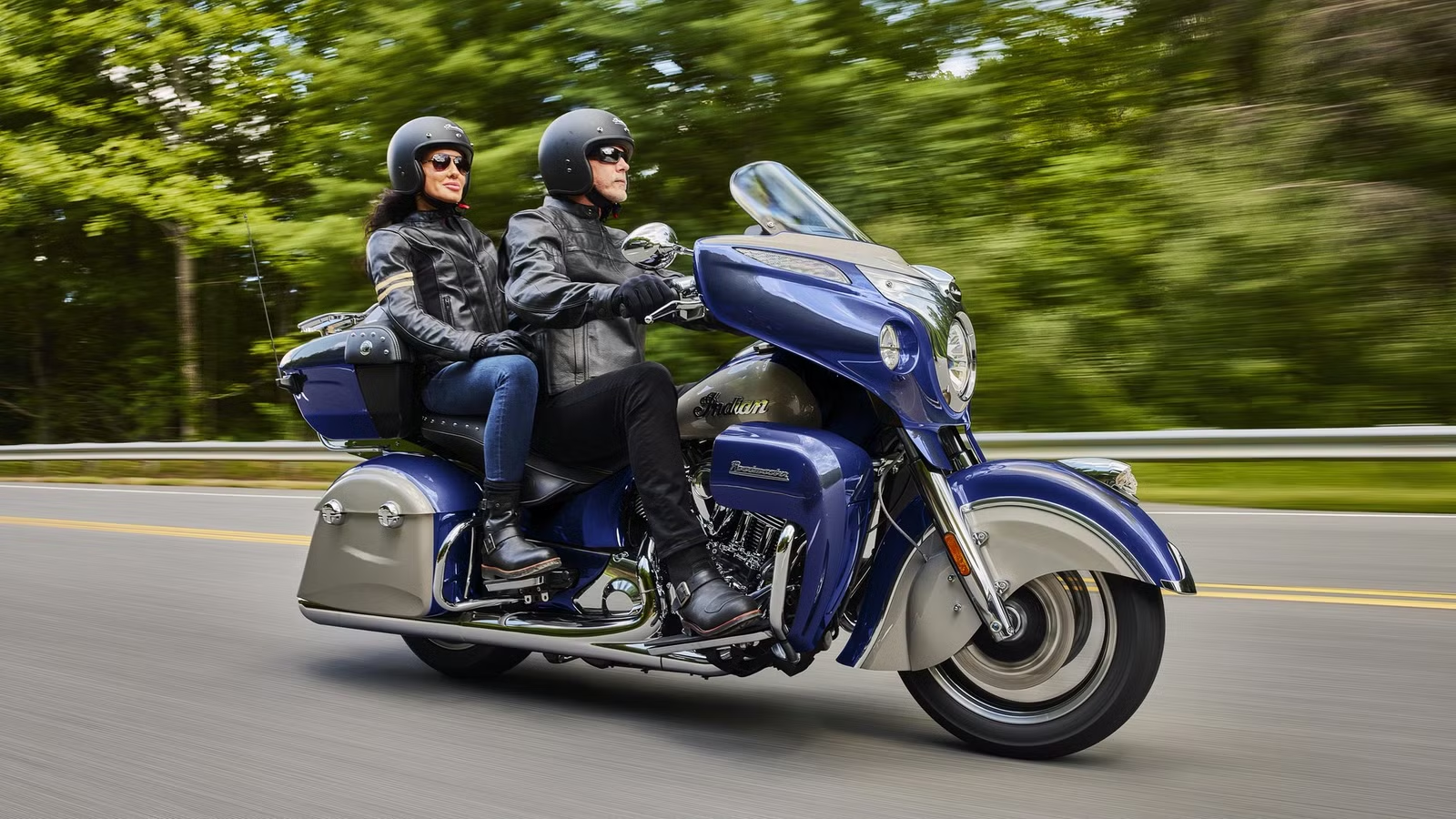
There is a point in a touring rider’s life when the brochure numbers stop being particularly interesting. After enough 500-mile days, roadside fuel stops, changing weather and fully loaded weekends, the priorities get simpler: a comfortable seat, enough luggage for an extended trip, steady highway manners and an engine that does not feel like it needs to be pushed hard to make progress. Once riders start prioritizing those things over spec-sheet bragging rights, they tend to keep landing on the same machine.
Full-Dress Touring Keeps Getting Heavier, Pricier, And More Complicated

The modern full-dress touring motorcycle has become a rolling technology showcase. Liquid-cooled engines, variable valve timing, increasingly sophisticated suspension systems and large touchscreen interfaces have all made heavyweight tourers faster and more capable. However, every new system brings another layer of engineering, software and hardware into a motorcycle that might spend much of its life thousands of miles from home. That is not necessarily a bad thing.
Modern electronics can make a long trip safer, easier, and more enjoyable. More sophisticated engines can deliver impressive performance while meeting increasingly demanding emissions requirements. The problem is that the technology arms race does not always line up with what an experienced touring rider actually needs. After all, most long-distance riders are not trying to win a dyno contest. They want effortless passing power when the bike is loaded with luggage and carrying a passenger, a predictable throttle response in traffic, comfortable suspension over broken pavement and enough storage for two weeks.
Why Veteran Touring Riders Keep Circling Back To Simpler Engineering

Talk to owners who’ve put real distance on more than one touring bike, and a pattern shows up fast. They gravitate toward engines with fewer sensors, fewer cooling system parts that can fail two states from home, and architecture that hasn’t been torn up and redesigned every few model years. Fewer failure points mean fewer surprises, and a simpler electrical architecture means a dealer three states away can actually diagnose the problem the same afternoon instead of ordering a part and waiting a week. And there’s still one American nameplate building its flagship tourer around exactly that idea.

The Indian Roadmaster Is Where High-Mileage Owners Land
At $34,999, The Roadmaster Bundles More Than Its Rivals Do At The Same Price

That bike is the Indian Roadmaster, and it’s been Indian’s answer to the full-dress touring question since the company revived the nameplate to go head-to-head with Harley’s Ultra-class Glides. The 2026 Roadmaster with the Thunderstroke 116 engine starts at $34,999, with color and audio-package upgrades pushing it higher from there. That puts it in the same neighborhood as Harley-Davidson’s Road Glide Limited and Street Glide Limited, both of which land right around $33,000 before options — except the Roadmaster arrives with more bundled storage and creature comforts standard, rather than treating them as line items on a build sheet.
The Evolution Of The Indian Roadmaster

Indian brought the Roadmaster name back in 2015 as the brand’s direct shot at Harley’s Ultra Limited, and it’s worn the same basic mission ever since: neatly designed fenders, a fork-mounted fairing with an illuminated headdress, and enough chrome to remind you this company has been building motorcycles since 1901. What’s changed underneath is the part that matters. Ride Command infotainment arrived, rear cylinder deactivation showed up to manage heat, and selectable ride modes gave the same engine a wider personality. For 2026, the changes are smaller — new color schemes, refreshed tank graphics, an available 600-watt PowerBand audio system.
A Thunderstroke 116 Built To Rack Up Miles Without Drama
Low-RPM Muscle: 126 Pound-Feet Of Torque

At the center of it all sits the Thunderstroke 116 — a 116-cubic-inch (1,890cc) air-cooled 49-degree V-twin that makes 126 pound-feet of torque, all of it arriving low at 2,900 rpm and staying available in every one of the six gears. Peak power checks in around 92 horsepower, a number that won’t win any bar arguments against a liquid-cooled 117. That’s fine, because it’s not the number that matters here. A loaded two-up tourer doesn’t need to chase 9,000 rpm to feel strong; it needs to roll on the throttle at 65 mph with a passenger and a full set of bags and actually pull, no downshift required. The Thunderstroke does that without drama, which is sort of the whole point of the engine.
Rear Cylinder Deactivation Keeps A Big Air-Cooled Twin Comfortable

Big air-cooled V-twins have one well-known weakness: they get hot between your legs in stop-and-go traffic. Indian’s fix is rear cylinder deactivation, which shuts the back cylinder down automatically at idle and low speeds to cut the heat load in city traffic or a summer highway backup. The engine architecture underneath is charmingly old-school for something built in the current decade: two valves per cylinder, three camshafts, and pushrod-actuated overhead valves. However, it is fuel injected with throttle-by-wire, and backed by a six-speed gearbox with a wet, multi-plate assist clutch and belt final drive. A long-stroke bottom end and an 11.0:1 compression ratio are what give the engine that punchy torque character at low rpm in the first place.
How Selectable Modes Give A 919-Pound Tourer Unexpected Versatility

Three ride modes — Tour, Standard, and Sport — reshape throttle response without touching the mechanical hardware underneath. Tour smooths everything out for a long, relaxed interstate stint. Sport sharpens the response on a twisty back road when the mood strikes. Standard splits the difference. It’s a small feature, but it means the samebike that eats 500 highway miles in a day can still wake up a little when the road does.
A Chassis Sized To Carry Two People And A Full Load

Underneath the sheet metal is a cast aluminum dual-cradle frame, which is a bit unusual for this class — most full-dress tourers still lean on steel. Aluminum saves weight and shrugs off corrosion better, both of which matter on a bike that’s going to spend its life outside and loaded down.
Up front, a 46mm telescopic fork provides 4.7 inches of travel; out back, a single shock with air adjustment offers 4.5 inches of travel, and the air-adjustment part means dialing in preload for a passenger and packed saddlebags doesn’t require tools or a trip to the dealer. Braking comes from dual 300mm floating rotors with four-piston calipers up front and a single 300mm rotor with a two-piston caliper in back — enough bite to haul down a fully loaded 919-pound motorcycle without drama.
A 28-Inch Seat Height Keeps A 919-Pound Bike Manageable

The Roadmaster weighs 891 pounds dry and 919 pounds in running order, numbers that sound intimidating until you’re actually sitting on it. A 28-inch seat height and a low center of gravity — helped along by that low-slung V-twin and low-mounted saddlebags — keep the bike manageable at parking-lot speeds, which is exactly where big tourers tend to feel their weight the most. Once it’s rolling, the mass mostly disappears into stability.
Comfort And Tech Built For Days In The Saddle, Not Just Weekends
36+ Gallons Of Weatherproof Storage

Between the saddlebags, the trunk, the lower fairing compartments, and a dash storage bin, the Roadmaster offers more than 36 gallons of weatherproof, remote-locking storage. That’s not a bike you pack carefully for a long weekend — it’s one where two people can load up gear for a two-week trip and still have room to spare, without strapping a duffel to the passenger seat.
Long-Haul Technology: Connected, Loud, And Controlled

A seven-inch Ride Command touchscreen brings GPS navigation and Apple CarPlay to the bars, while a power windshield lets the rider adjust wind protection on the fly instead of guessing right the first time. Heated grips and tire pressure monitoring round out the practical side, and the two-up seat offers independent heating and cooling for rider and passenger — the cooling part being the rarer, more welcome detail on a bike built for August highway miles.
A 12-volt charging port and keyless ignition handle the smaller conveniences that add up over a long trip. Audio starts at 200 watts and can be upgraded to a 600-watt PowerBand system spread across the fairing, saddlebags, and trunk, complete with a dynamic equalizer that adjusts for road and wind noise on its own. None of that alone makes the Roadmaster interesting. What makes it interesting is how little of it demands a compromise from the rider — comfort without complexity, distance without drama.
Source: Indian Motorcycle

Related posts

Latest Post


No Comments