The Hybrid SUV That Can Make A Strong Case Against Going Fully Electric
13 minutes reading
Monday, 21 Sep 2026 23:30 0 48 autotech
The SUV has become the vehicle of choice for many buyers and, by extension, the electric SUV has become one of the more important steps toward converting more buyers to EVs. SUV buyers who even a decade ago had to choose between gasoline-powered utility and environmentally conscious urban mobility can now have instant torque, quiet operation and the convenience of driving past gas stations.
But EVs still struggle with doing everything required from a family vehicle—daily around-town errands, weekend wilderness retreats, and extended holiday road trips, while loading up with passengers, hauling cargo, and trudging through inches of snow—and making homes compliant to reap the benefits of EV ownership is often more costly than filling up on fuel, which is why a self-charging hybrid SUV sometimes has the edge.
The strongest argument for an electric vehicle is energy efficiency, on many levels, starting with the ability to plug it in overnight and waking up to a full “tank.” While driving, electric motors convert a much larger proportion of their stored energy into propulsion than do internal-combustion engines, which use energy to work powertrain components. Then, when you’re coasting, regenerative braking recovers energy that would otherwise dissipate as heat.
But there are drawbacks, such as “refueling” mid-journey: public charging is more costly than charging at home, is harder to come by, charging takes substantially longer than filling a gasoline tank, and the charging time can double because charging speed slows down once the charge level tops 80 percent. Then there are ownership costs, such as depreciation, financing, insurance, repairs and taxes, all of which trend higher.
Why EV Performance Numbers Don’t Always Survive Contact With Real Life
Li i8 Electric SUV Charging StationLi Auto
The upright bodies and larger cabins of SUVs provide the space families want, but they also demand more energy to move. Electric powertrains cost less to deliver the power that a decade ago was thought impractical for an SUV. Electric motors provide instant torque for the explosive launch of a large V-8 engine (and often surpass it), and they also use less energy, whose cost can be integrated into the household budget for a fraction of the cost of fuel.
A blue 2025 Rivian R1S electric full-size SUV is driving through the mud.Rivian
But electric performance is still largely unpredictable in the real world, because it is affected by variables you can’t duplicate in controlled lab conditions. Outside of physical variables like tires, type of gasoline, and tuning level, an ICE will perform in real life very closely to how it did on the dynamometer. On the other hand, EVs that are exceptionally efficient in ideal conditions tend to waver once you factor in variables—weight, load, and weather, for example.
Why Full Hybrids Sit In The Sweet Spot Between EV Efficiency And Gas Convenience
But in today’s marketplace, electrification is not an either-or proposition. Plug-in hybrids retain their engines while providing meaningful electric-only driving from externally-charged large batteries. Charged like an EV before driving, they maintain the convenience of a two-minute stop for fuel on an extended road trip. At the other end of the electrification spectrum, mild hybrids can improve the efficiency of their paired ICEs (slightly, though that isn’t their primary goal) without any extracurricular charging.
2023 Toyota Prius HEV EmblemToyota
Self-charging hybrids populate the middle ground, using a smaller battery than a PHEV and electric drive motors to supplement an ICE that in most cases is also reduced in size. The combination reduces gasoline consumption, improves driving range and can sometimes improve performance, and never requires the owner to plug in. Though a full hybrid cannot match an EV’s reductions in energy and zero emissions, it also doesn’t require altering vehicle use, and some are worthy alternatives. One full hybrid SUV in particular makes the argument more compellingly than most — and it costs $10,000 less than the electric SUVs it’s competing against.
The 2026 Kia Sorento Hybrid Makes A Case For Keeping A Fuel Tank
Costs Less To Purchase, Travels Longer And Costs Less To Live With
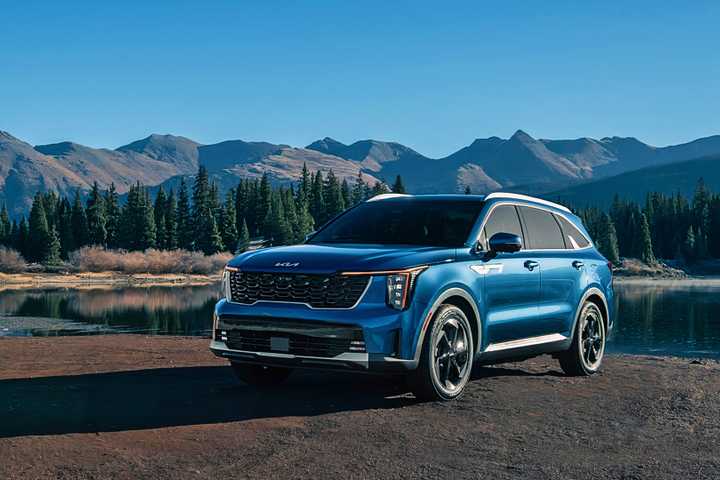
2025 Kia Sorento Hybrid Front Three-QuarterKia
Costing $10,000s less than comparably configured electric SUVs, the 2026 Kia Sorento Hybrid presents a compelling argument because it combines electrified efficiency with the confidence of an ICE, packaged with the functionality of a three-row SUV. In front-wheel-drive form, it’s one of the most fuel-efficient vehicles in the marketplace, and delivers range-anxiety-assuaging driving distance estimated at greater than 650 miles.
Its 1.6-liter turbocharged four-cylinder is one of the smallest engines found in an eight-passenger vehicle, yet its pairing with an electric motor produces torque and power expected from that size of family vehicle. Combined, those numbers change the conversation about family practicality both from a usage standpoint and a budgetary one, giving up a bit on technology to alleviate driving stress beyond the familiar confines of the suburban neighborhood and the concrete jungle.
Buying A 2026 Kia Sorento Hybrid: Purchase Price And Annual Energy Cost
A blue 2025 Kia Sorento Hybrid midsize hybrid SUV is driving.Kia
The 2026 Kia Sorento Hybrid makes its opening statement before the first drop of gasoline is burned. Kia suggests a starting price of $38,890 for the front-drive EX, which includes standard three-row seating, heated front seats, a 12.3-inch touchscreen, wireless connectivity, a smart power liftgate and a comprehensive suite of driver-assistance technologies. You can get a less expensive electric SUV/crossover, as you’ll read later on, but not one to match the Sorento Hybrid’s level of practicality.
Driving A 2026 Kia Sorento Hybrid: Fuel Economy And Driving Range
2025 Kia Sorento Hybrid Rear Three-Quarter DrivingKia
Its price places a relatively efficient three-row SUV within reach without requiring the buyer to step up to the higher purchase prices associated with many larger SUVs, gasoline or electric (again, as you’ll read later). Though far below that of charging an EV, the cost to run a FWD Sorento Hybrid is estimated at $1,650 annually by the EPA, representing fuel-cost savings of $2,750 over five years compared to the average vehicle (pegged by the EPA at $11,000). Fuel economy is rated at 37 mpg combined (37 mpg city, 36 mpg highway, so fairly balanced), and driving range for the Sorento Hybrid EX FWD is projected to be 655 miles.
Living With A 2026 Kia Sorento Hybrid: Ownership Costs
2025 Kia Sorento Hybrid Cargo AreaKia
The costs of a 2026 Kia Sorento Hybrid EX FWD range from $46,300 to $49,000 over five years (depending on where you live), according to Edmunds. The average electric SUV is surprisingly close to that figure (sometimes a little higher). Primarily tilting the balance in Sorento’s favor is a 10-year/100,000-mile powertrain warranty (which includes hybrid components and battery) that knocks off many of the potential big-repair items. Items like depreciation and insurance are also estimated to be less expensive, and all those costs are balanced out by considerably lower energy and maintenance costs for the EV.
How The 2026 Kia Sorento Hybrid Compares To Electric SUVs
A gray Kia Sorento PHEV front 3.4 shotKia
2026 Kia Sorento interiorKia
The industry’s rush down the all-electric highway brings up the question of whether an electric SUV can match the practicality of a three-row family SUV like the Kia Sorento. It really comes down to a personal choice depending on use, need for space, driving routine and budgets. We’ve established that the 2026 Kia Sorento Hybrid EX FWD costs about the same as a similarly sized electric SUV, but three-row electric SUVs cost more.
Also, if you’re new to the EV game, you’ll need to add upwards of $2,500 to the prices listed below, because you’ll want to invest in a Level 2 home charging unit. They average $300–$400, but nearly double that for smart units that take full advantage of lower energy rates by scheduling around peak electricity usage times. Higher speed units can cost upwards of $800, and then you have to install it, which will run north from $700 to upwards of $1,500, depending on where it’s located, wiring and type of electrical upgrades that may be needed.
How The 2026 Kia Sorento Hybrid Compares To The Top Selling Electric SUV
A white Tesla Model Y Standard driving on a streetTesla
You can’t compare anything to an electric SUV without talking about the Tesla Model Y, the top-selling EV in America. The standard range RWD model starts at $39,990 (a tad more expensive than the 2026 Kia Sorento Hybrid base unit) and is projected to use about $550 annually in electricity. Over five years, Edmunds estimates financing costs at $7,900–$8,900, and insurance at $3,300–$9,500 (depending on financial, driver and geographic variables), which are about 10–50 percent higher than Sorento.
Interior of the 2025 Tesla Model YSam Surla/Isaac Atienza – TopSpeed
The Sorento saves substantially on major repairs thanks to its powertrain warranty but gives it back in maintenance, because of the Tesla’s fewer moving parts. All told, Edmunds pegs the Sorento Hybrid’s True Cost To Own at $46,300–$49,000, with the Tesla running slightly higher at $47,000–$50,000—so, very evenly matched in overall money spent, with the big contrast being the Sorento’s larger size and roomier, more practical cabin. You can now get a long-wheelbase Model Y L, but it starts at $61,990.
How The 2026 Kia Sorento Hybrid Compares To A Conceptually Similar Electric SUV
A static front-quarter shot of the Hyundai Ioniq 9 Calligraphy Black Ink.Hyundai
The Hyundai Ioniq 9 is conceptually closer to the Kia Sorento Hybrid in practicality, though it’s a bit bigger overall. It starts at $58,955 in rear-wheel drive S trim, and that’s also its longest-range model, EPA-rated at 335 miles, and predicted to cost $850 per year in energy costs. That’s a savings of $4,000 over the Sorento Hybrid across five years. There is not enough data available to present a reliable cost-to-own breakdown for the new Ioniq 9, but the variables allow a reasonable argument.
A detailed interior shot of the Hyundai Ioniq 9 Calligraphy Black Ink’s rear seats.Hyundai
Like Kia, Hyundai has a comprehensive powertrain warranty, which covers EV components for 10 years or 100,000 miles. Combined with the lower maintenance costs on EVs, the likely result is upkeep costs for the Ioniq 9 lower than those of the Sorento Hybrid by a couple hundred per year. Insurance costs are expected to be similar, which means cost-to-own over five years is weighed down by purchasing/financing costs (which eclipse those of the Sorento Hybrid by $4,000+ per year).
How The 2026 Kia Sorento Hybrid Compares To An Affordable Electric SUV
2026 Chevrolet Equinox EV Exterior FeatureLyndon Conrad Bell | Top Speed
The Chevrolet Equinox EV is one of the more affordable and practical electric SUVs in the marketplace. Edmunds calls it well-rounded and spacious, but still doesn’t render a decision on its true cost to own. Carried over from 2025, the Equinox EV starts at $34,995 in FWD LT1 trim. The EPA rates it at 307 miles of range, using $750 per year in electricity ($900 less per year than the cost of filling up a Sorento Hybrid).
2026 Chevrolet Equinox EV Interior FeatureLyndon Conrad Bell | Top Speed
CarEdge tallies up the overall costs of living with an Equinox EV at $45,400 over five years, which is about $4,000 less than the Sorento Hybrid (covering mostly propulsion and purchase/financing costs). Similar to the Sorento Hybrid, the Equinox EV has an eight-year/100,000-mile warranty, which means high-cost repairs are significantly reduced. Combine that with the lower cost of EV maintenance, and you get an SUV that is less expensive to own for its first five years, but then you’re back to the three-row Sorento Hybrid’s more practical everyday driving existence.
The 2026 Kia Sorento Hybrid Makes A Strong Case Against Going Fully Electric
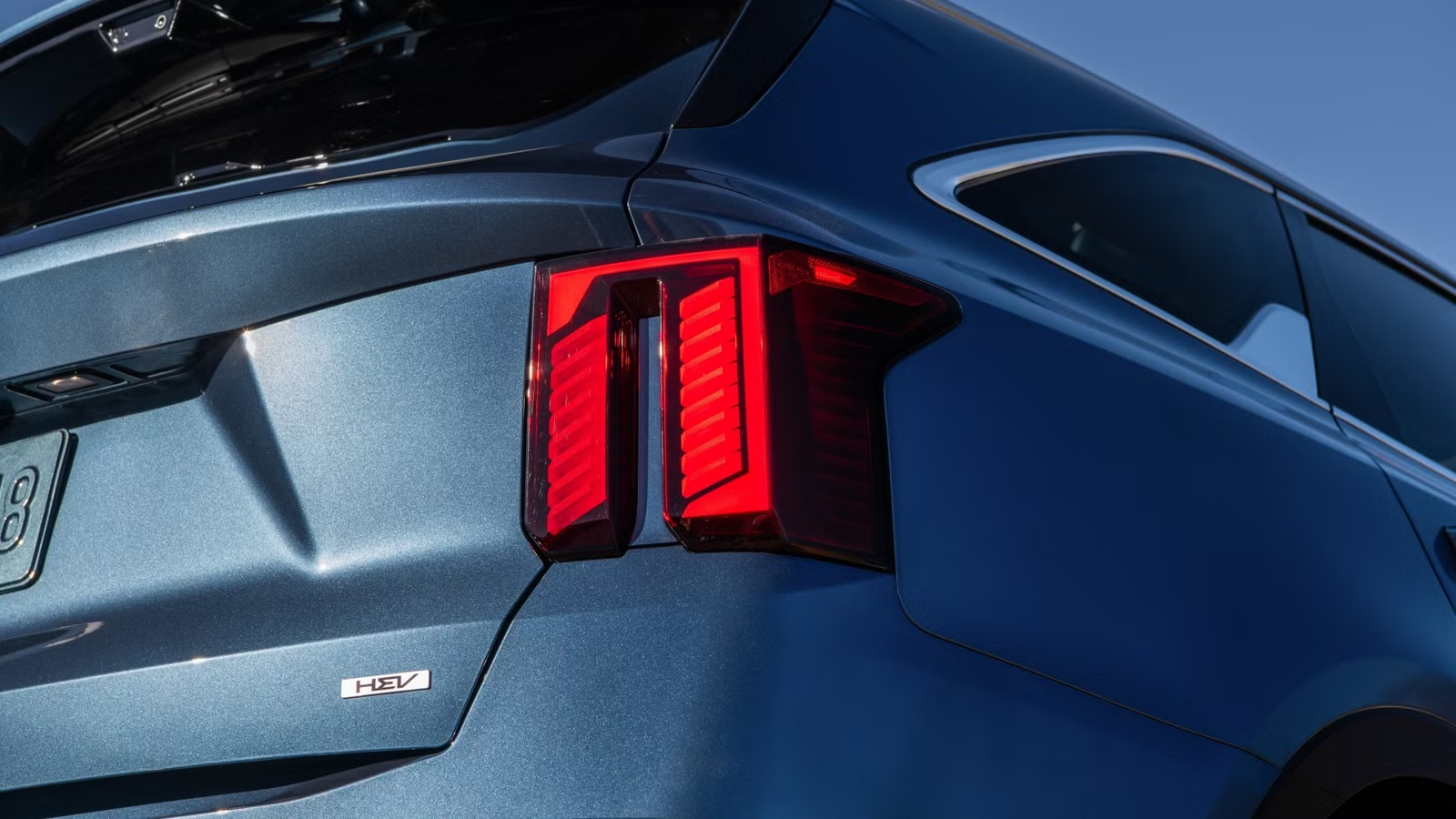
The rotary gear selector of a 2025 Kia Sorento HybridKia
The 2026 Kia Sorento Hybrid makes a strong argument for keeping an ICE. In interior space, versatility, and practicality, there are few SUVs that can match it, and far fewer electric SUVs (and you end up paying much more for those that do). EVs are far more energy efficient, but do require a set routine to maximize their benefits, and tend to be less expensive to maintain due to fewer moving parts; however, major repairs tend to be costlier.
The Sorento Hybrid negates half that argument with a long powertrain warranty that virtually eliminates high-cost repairs over the first five years of ownership, but its maintenance requirements are higher. By the time you tally up the columns, it all ends up being nearly cost-equal to a comparably-sized electric SUV, which puts the advantage back in Sorento’s court with its roomier interior for more people and their stuff.
Rear 3/4 shot of 2025 Kia Sorento in gray parked off-roadKia
When you factor in the Sorento Hybrid’s fuel efficiency and 655-mile range, it provides real-world proof that an electrified powertrain has the convenience edge over a fully electric one, especially on long trips. The takeaway is that EVs may represent the industry’s technological destination, but the hybrid can represent something just as valuable to consumers: a transition that doesn’t require them to change how they live with an SUV. It’s a worthwhile consideration, and it’s not the only one.
The 2026 Toyota RAV4 Excels In Efficiency
Dynamic 3/4 shot of 2026 Toyota RAV4 Hybrid AWD drivingToyota
The hybrid-only 2026 Toyota RAV4 doesn’t have three rows of seating in its corner, but it is still larger than similarly priced electric SUVs. Its combined fuel economy is one of the best and its range easily tops 600 miles. Buyers who don’t plan on using it beyond urban and suburban circles would be better suited by the likes of the Tesla Model Y or Ford Mustang Mach-E, but once you set off for a holiday road trip, you’ll get there faster and maybe just as inexpensively in a RAV4.
The 2026 Honda CR-V Hybrid Makes The Practicality Argument
Front 3/4 shot of 2026 Honda CR-V Sport Touring Hybrid parkedHonda
Like the 2026 Toyota RAV4, the 2026 Honda CR-V Hybrid makes essentially the same argument, eliminating the charging routine and maintaining the ability to keep moving on long trips without drawn-out stops. However, both the RAV4 and CR-V Hybrid lose the maintenance and high-cost repair arguments and prove equally costly as comparably-sized EVs on that ownership variable.











No Comments