
The Single Biggest Flaw Keeping This Porsche-Fighting Nissan Cheaper Than The Supra And RX-7
The 1990s gave Japanese sports car fans some of the most exciting machines ever built. Today, surviving examples can cost more than many new performance cars, especially when they carry the right badges. But one overlooked contender still offers sharp styling, strong performance, and serious engineering for surprisingly little money. It once challenged expensive European sports cars and even threatened America’s favorite V8-powered coupe.
The 1990s Japanese Sports Car Boom Left One Serious Contender Behind

The fourth-generation Toyota Supra and third-generation Mazda RX-7 have become collector favorites thanks to their performance and tuning potential. The Supra’s legendary 2JZ inline-six can handle enormous power upgrades, while the RX-7’s twin-turbo rotary engine delivers a driving experience few sports cars can match. Their appearances in movies and racing games also helped push prices beyond what many enthusiasts can afford.
However, another Japanese grand tourer offered striking styling, rear-wheel drive, advanced suspension, and serious performance without attracting the same collector frenzy. Its engineers aimed higher than the affordable coupe market, targeting established sports cars such as the Porsche 944 and Chevrolet Corvette C4. That ambition makes its relatively modest resale values particularly interesting.
A $2,300 Barn Find Makes The Price Gap Even Harder To Ignore

Automotive YouTuber ChrisFix recently discovered just how affordable a forgotten Japanese performance car can be. He purchased a yellow 1990 sports coupe that had spent 28 years in storage. Despite its long retirement, the car had just 106,000 miles and retained its naturally aspirated 3.0-liter V6, five-speed manual transmission, and removable T-top roof panels. For gearheads, that combination checks several important boxes, especially at a bargain price.
The seller originally advertised the car for $4,900, but ChrisFix negotiated the price down to just $2,300. That’s less than many worn-out commuter cars cost today. However, this unusually cheap project doesn’t reflect what healthy, running examples typically command. Reviving a car after nearly three decades of storage can quickly become expensive. Still, finding a mostly complete 1990s sports car for so little highlights the opportunities that remain outside the hottest Japanese collector markets.
The Nissan 300ZX Z32 Had The Performance, But Its Engine Bay Became Its Biggest Weakness

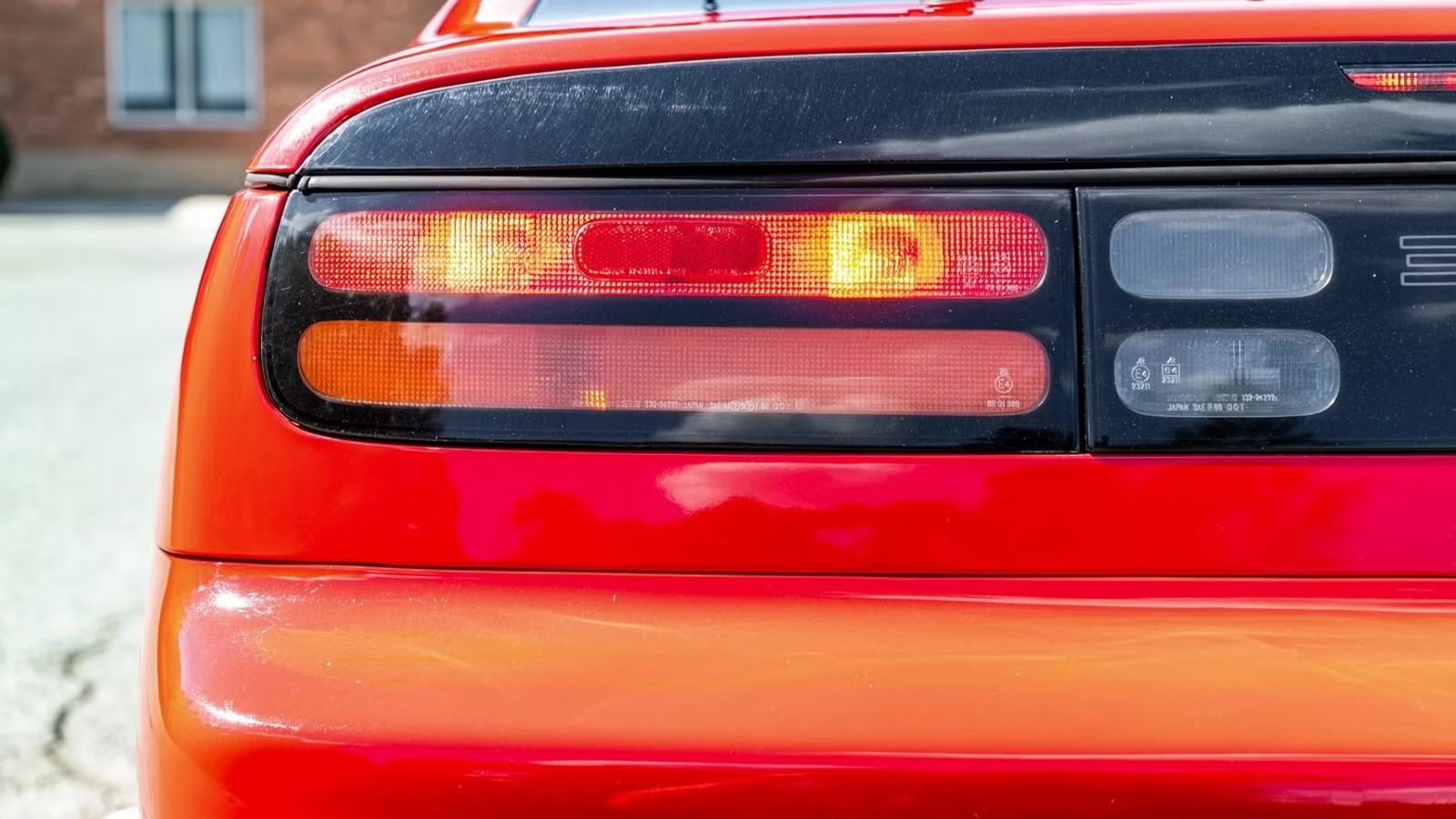
The mystery machine is the 1990–1996 Nissan 300ZX Z32, one of Nissan’s most ambitious performance cars. It replaced the angular Z31 with a futuristic design developed using computer-aided design technology. Its wide body, low hood, sloping headlights, and sleek panels created a shape that still looks modern. Underneath, Nissan installed sophisticated multi-link suspension, powerful brakes, and available rear-wheel steering on the twin-turbo model. The result was a legitimate challenger to contemporary Porsche sports cars and the Corvette C4.
The naturally aspirated 3.0-liter VG30DE V6 produced 222 horsepower and 198 lb-ft of torque. Contemporary testing recorded 0–60 mph times around 6.5–7.0 seconds and quarter-mile runs of approximately 15.0–15.5 seconds. Car and Driver tested a 3,341-pound 1990 two-seater that reached 60 mph in 6.7 seconds and completed the quarter-mile in 15.0 seconds. The twin-turbo version raised output to 300 horsepower and could hit 60 mph in roughly five seconds. Those figures made the Z32 a serious sports car, especially considering the price of comparable European machinery.

Unfortunately, Nissan‘s ambitious engineering created its biggest weakness: a painfully cramped engine bay. Engineers squeezed a wide, dual-overhead-cam V6 and its supporting hardware beneath the low hood, leaving little room for repairs. The twin-turbo version made things worse with two turbochargers, intercooler plumbing, and additional oil and coolant connections. Reaching certain components requires extensive disassembly, turning relatively modest repairs into expensive jobs. The naturally aspirated model avoids the extra turbo hardware, but its engine bay remains tightly packed. Nissan won the styling battle, then left mechanics playing an expensive game of Tetris.
The Naturally Aspirated 300ZX Is Still A Bargain Compared To The Twin Turbo

The complicated packaging helps explain why naturally aspirated Z32s remain much cheaper than desirable twin-turbo examples. Certain clean, usable cars still carry asking prices around $9,000–$10,000, while some sell closer to $7,000–$8,000. On August 28, 2025, a 1990 300ZX with 116,000 miles sold for $9,500 on Bring a Trailer. Unlike ChrisFix‘s five-speed manual barn find, this example featured a four-speed automatic transmission. It also had a bypassed heater core and a reported rear main seal oil leak, showing why condition matters more than a tempting price.
Another naturally aspirated example with 88,000 miles sold for $9,000 in August 2026. That automatic-equipped 2+2 had received several important repairs, including a replacement timing belt, water pump, radiator, and thermostat. Meanwhile, top-condition twin-turbo Z32s can command roughly $40,000–$60,000, depending on mileage, originality, and specification. The naturally aspirated version offers much of the same styling, chassis engineering, and grand-touring character for considerably less money.
The Cheap Purchase Price Is Only Half The Story

The Z32’s biggest ownership risk isn’t necessarily unreliable engineering. Nissan built a durable V6, but aging components and difficult access can make maintenance expensive. The timing belt is particularly important, with Nissan recommending replacement approximately every 60,000 miles or six years. Buyers should also inspect the cooling system, old hoses, leaking seals, electrical connections, and oil leaks. Early 1990–1993 twin-turbo cars can develop hydraulic line problems with their Super HICAS rear-wheel-steering systems, although naturally aspirated U.S.-spec models didn’t use that setup.

ChrisFix‘s $2,300 barn find illustrates that risk perfectly. Cleaning decades of grime and restoring the paint is only the beginning. After 28 years in storage, the fuel system, brakes, rubber components, and drivetrain need careful inspection before the car can safely return to the road. Fortunately, a well-maintained naturally aspirated Z32 can still deliver an exciting 1990s driving experience without the massive collector premium attached to the Supra and RX-7. The secret is finding one whose previous owner spent money on maintenance rather than modifications. After all, a cheap sports car stops feeling cheap when the repair bills arrive faster than the car accelerates.
Source: Nissan, Car and Driver, Bring a Trailer

Related posts


Latest Post


No Comments