
Hybrid Battery Replacement Costs Have Dropped Enough To Stop Scaring Used Car Buyers — Here’s What Changed
For years, the hybrid battery question killed used-car deals before they started. A shopper would find a clean 2018 Prius or a low-mileage RX 450h, fall for the fuel economy numbers, then hear “battery replacement can run $4,000 to $8,000” and walk away. That fear was real — but it’s increasingly outdated. A combination of falling replacement costs, expanded third-party repair options, and stronger manufacturer warranty coverage has quietly changed the math on used hybrid ownership.

The shift is significant enough that used-hybrid shoppers who haven’t revisited the numbers recently may be leaving real value on the table. Here’s what’s actually changed, what replacement costs look like today for common Toyota, Honda, and Lexus models, and what to check before signing anything.
What Actually Changed With Hybrid Battery Replacement Costs
The old fear was grounded in early hybrid pricing, when replacement packs for first- and second-generation Prius models could exceed $4,000 at a dealership — parts and labor combined. Those figures got repeated for years even as the market moved on.
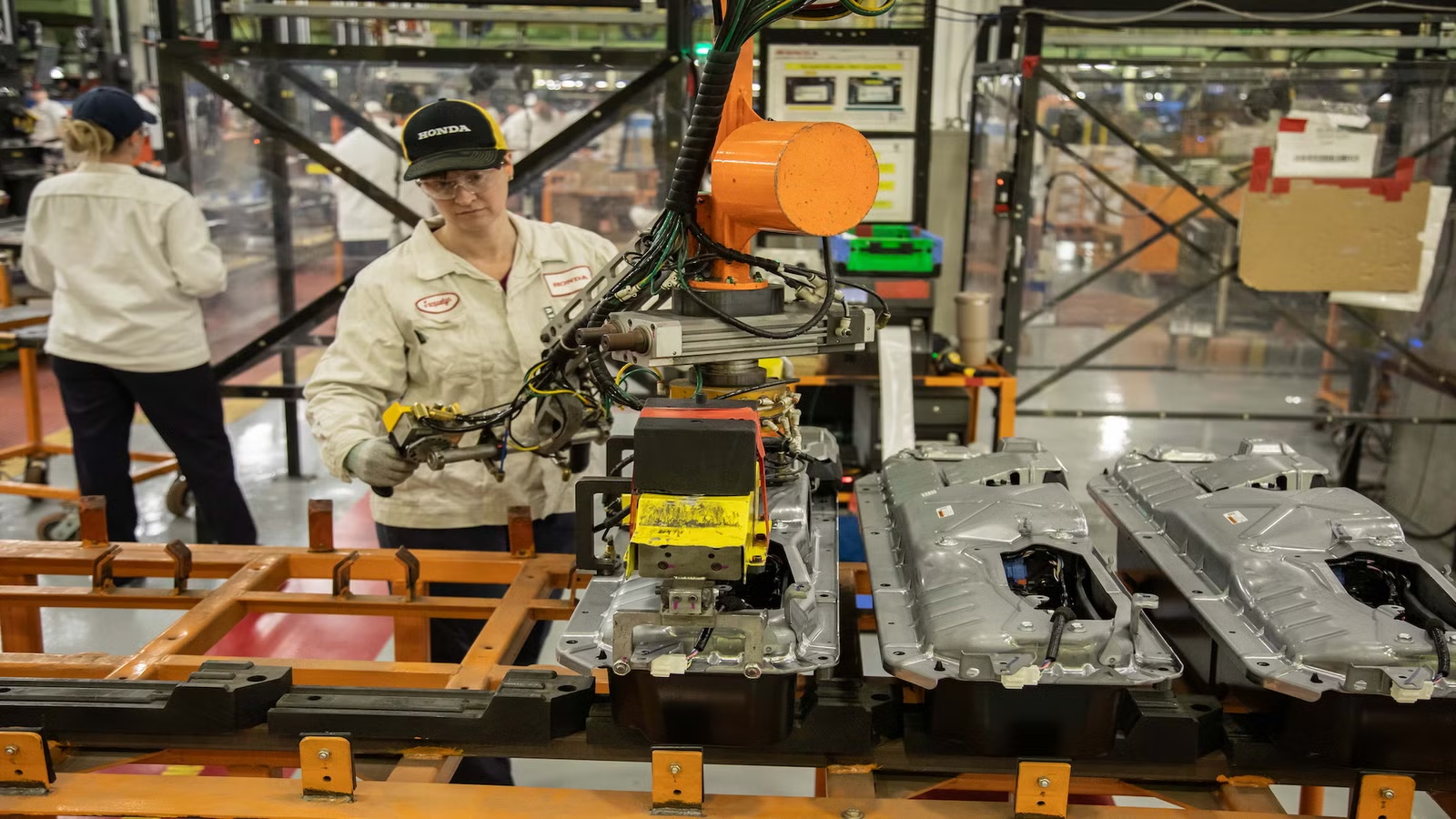
Today, replacement costs have come down on multiple fronts. Refurbished and remanufactured battery packs have become a mature market, with third-party specialists offering tested units for common models at prices that undercut dealer rates significantly. For a Toyota Prius, a remanufactured pack from a reputable independent shop can run $1,500 to $2,500 installed — roughly half what a new OEM unit costs at a dealership. Honda CR-V Hybrid and Accord Hybrid packs sit in a similar range through independent channels. Lexus RX Hybrid replacements remain pricier given the larger pack, but even those have seen cost pressure as supply of used cores has grown with the aging fleet.
Warranty Coverage Has Gotten Meaningfully Better

Manufacturer warranty coverage on hybrid batteries has also expanded, and it matters most for buyers shopping certified pre-owned or recent model years. Toyota and Lexus cover hybrid battery components for 8 years or 100,000 miles on most models — and in California and states that follow California emissions standards, that coverage extends to 10 years or 150,000 miles. Honda matches the 8-year/100,000-mile federal standard across its hybrid lineup, including the CR-V Hybrid, Accord Hybrid, and Insight.
For a used-car buyer, the practical implication is straightforward: a 2020 Toyota RAV4 Hybrid or Camry Hybrid purchased today likely still has meaningful battery warranty remaining. Checking the in-service date — not the model year — is what determines actual coverage left. A 2020 model that was sold new in early 2020 could have warranty running through early 2028 under the 8-year federal standard.
Why Third-Party Shops Are Now A Legitimate Option

One of the bigger practical shifts is the rise of independent hybrid specialists. Early hybrid owners had little choice but to go back to the dealer for battery work, partly because the technology was new and partly because aftermarket supply was thin. Neither is true anymore.
Independent shops with hybrid certification have proliferated in most metro areas, and the refurbished battery market has matured to the point where reputable suppliers warranty their packs for 1 to 3 years. That’s not dealer coverage, but it’s real protection. The key is vetting the shop: look for technicians with hybrid-specific training, ask whether the replacement pack is remanufactured with new cells or simply a pulled used unit, and confirm what the labor warranty covers. A refurbished pack with a two-year warranty installed by a certified independent is a reasonable alternative to a $4,000+ dealer job.
What To Check Before Buying a Used Hybrid

The battery fear may be fading, but due diligence still matters. Before purchasing any used Toyota, Honda, or Lexus hybrid, run through a short checklist.
First, pull the vehicle’s in-service date and calculate remaining manufacturer warranty. If it’s within the 8-year/100,000-mile window — or the extended California-standard window — confirm the coverage transfers to subsequent owners (it does, for Toyota and Honda hybrid battery warranties). Second, request a hybrid battery health report. Many dealers and independent shops can run a state-of-health check that shows remaining capacity; anything above 70–75% is generally considered serviceable. Third, check for any open recalls related to the hybrid system — both Toyota and Honda have issued software and hardware updates on various hybrid models that are completed at no charge. Finally, factor replacement cost into your offer price only if the battery is genuinely degraded. If it’s healthy and under warranty, the old fear doesn’t apply.
The used-hybrid market has been mispriced by outdated anxiety for long enough that savvy buyers willing to do a little homework now have an edge. A well-maintained Prius, RAV4 Hybrid, or RX 450h with warranty remaining and a healthy battery check is a different proposition than the horror stories from a decade ago. The numbers have changed — the perception just hasn’t caught up yet.

Related posts






Latest Post


No Comments