
The British Retro Roadster Built For Riders Who Miss The Golden Age Of Motorcycling
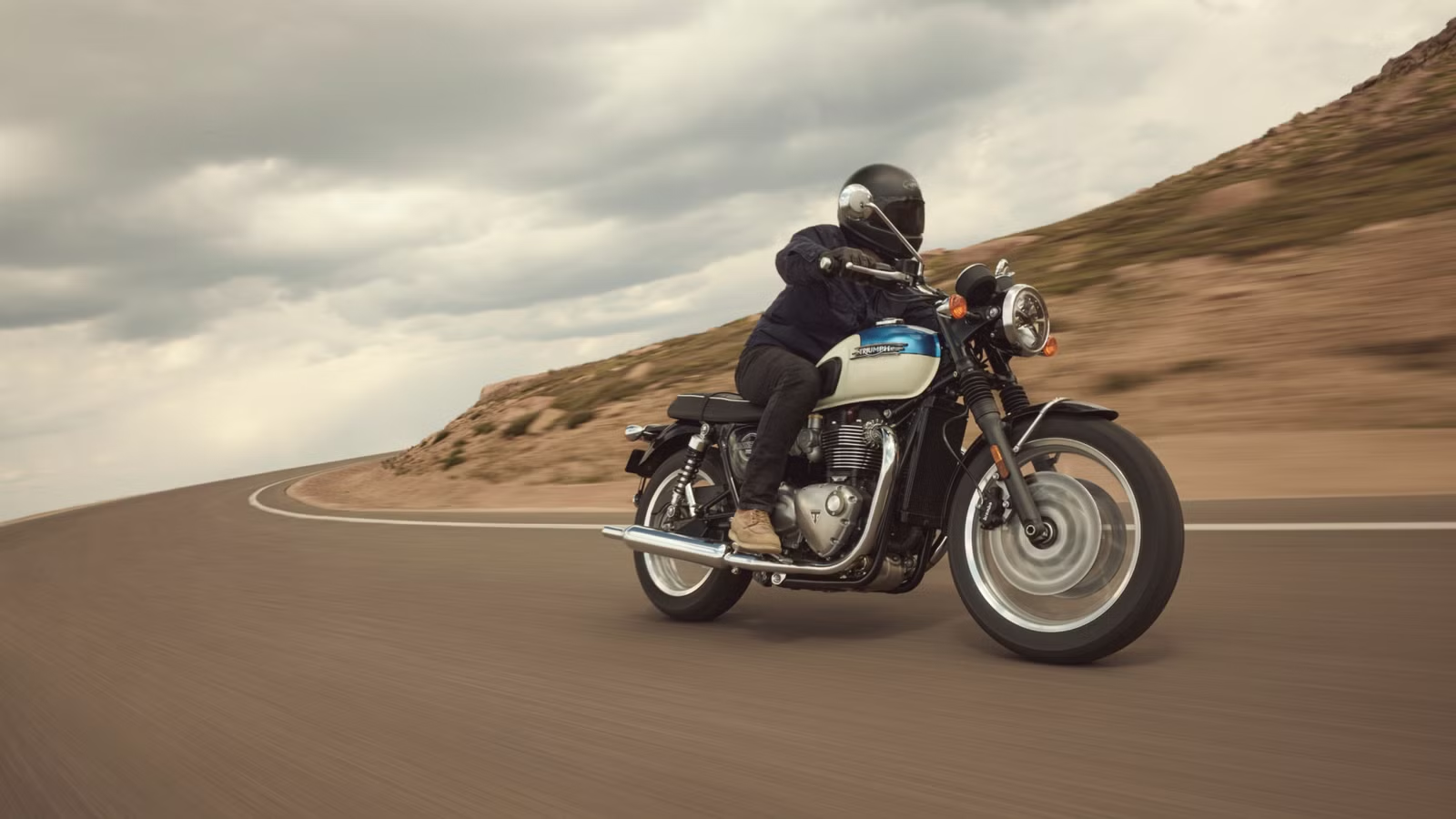
The golden age of motorcycling had a certain magic to it: round headlights, chrome catching the sunlight, spoked wheels, and more often than not, the rhythmic beat of a twin-cylinder engine. Maybe you’re cruising through the English countryside, or carving through an American canyon. It’s a look and feel that’s proved remarkably evergreen, still getting riders hooked in 2026, including those who missed the golden age by roughly half a century.

Of course, nostalgia only gets you so far. However much you romanticize the 1950s and ’60s, electric starters, modern brakes, and ABS are awfully nice to have. But where do you look if you want a motorcycle with that old-school character? If you’re after a cruiser, you probably know the drill: head to a Harley-Davidson or Indian dealership. But where do you go for that quintessential British roadster feel?
British Bikemakers Have A Long History Of Retro Bikes
Well, Britain, of course. And while some of its motorcycle brands might not be global heavyweights today, they certainly were in their heyday. Norton gave us the Commando, one of the most recognizable British motorcycles of its era, while BSA was arguably an even bigger name. During the 1950s, BSA accounted for roughly one in every four motorcycles sold worldwide, not just in Britain.

Triumph was another major player, building the sort of British twins that helped define the era. Eventually, though, things went south for the British motorcycle industry. Norton’s troubles culminated in its collapse and eventual revival, while BSA’s original production run ended in 1973. Both marques have since returned under Indian ownership. Triumph, meanwhile, has proved more consistent.
The Triumph Bonneville Keeps That Heritage Alive

That’s not to say Triumph hasn’t had its own share of troubles. The original company collapsed in 1975, and it took a change of ownership and years of development before a new generation of Triumph motorcycles arrived in 1990. Take the Bonneville, for example. Production of the original range ended in the early 1980s, before the name returned in 2000. It’s been a mainstay of Triumph’s lineup ever since.
As of 2026, the Modern Classics range covers quite a bit of ground. There’s the Speedmaster for cruising and the Scramblers for riders who want to venture off the pavement in retro style. But if you want the authentic roadster experience, the Bonneville T range is where you want to look. It now includes the T40, a 400cc take on the Bonneville formula. Triumph’s US website lists the T40, although its price is still to be announced. For the bigger-bike experience, the T100 or its larger sibling is where you want to look.
The Bonneville T120 Harks Back To The Golden Era Of Simplicity

Sitting near the heart of Triumph’s Bonneville roadster range is the T120, the 1,200cc take on the formula that ticks most of the boxes we’ve discussed so far. It’s got the rounded tank, fine gold pinstripes and twin exhausts, all of which look right at home on a motorcycle from the 1960s. At a quick glance, you wouldn’t be blamed for mistaking it for something from half a century ago. Take a closer look, though, and you’ll find modern touches across the powertrain and convenience features, along with rider aids that make sense on a motorcycle built in 2026.
The 1,200cc Twin Makes Its Best Case For Relaxed Riding

There’s a 1,200cc, liquid-cooled parallel twin at the heart of the T120, making 79 hp at 6,550 rpm and 77.4 lb-ft of torque at just 3,500 rpm. Those numbers tell you where the engine’s priorities lie. Most of its muscle arrives early, so there’s little reason to chase the redline when the six-speed gearbox and that generous spread of torque should make for easy progress. The 270-degree crank gives the twin its own distinctive beat, while the torque-assist clutch should keep the lever manageable when traffic slows to a crawl.
Its Chassis Keeps Its Classic Formula Relevant

The T120 uses a tubular-steel twin-cradle frame, with 41mm KYB cartridge forks up front and twin rear shocks with adjustable preload. That adjustment comes in handy for touring, letting you account for the extra weight of a pillion or luggage. The 18-inch front and 17-inch rear spoked wheels wear Michelin Road Classic rubber, while twin 310mm front discs with Brembo calipers handle braking.
These spoked wheels use inner tubes, so a puncture repair may take more work than it would with tubeless wheels. Besides this, the T120 has a seat height of 31.1 inches, so getting a foot down should be manageable for many riders. Its wet weight is around 514 pounds, which is on the hefty side for a roadster and likely to be most noticeable when moving it around at walking pace.
There’s Just Enough Technology To Keep The Ride Uncomplicated

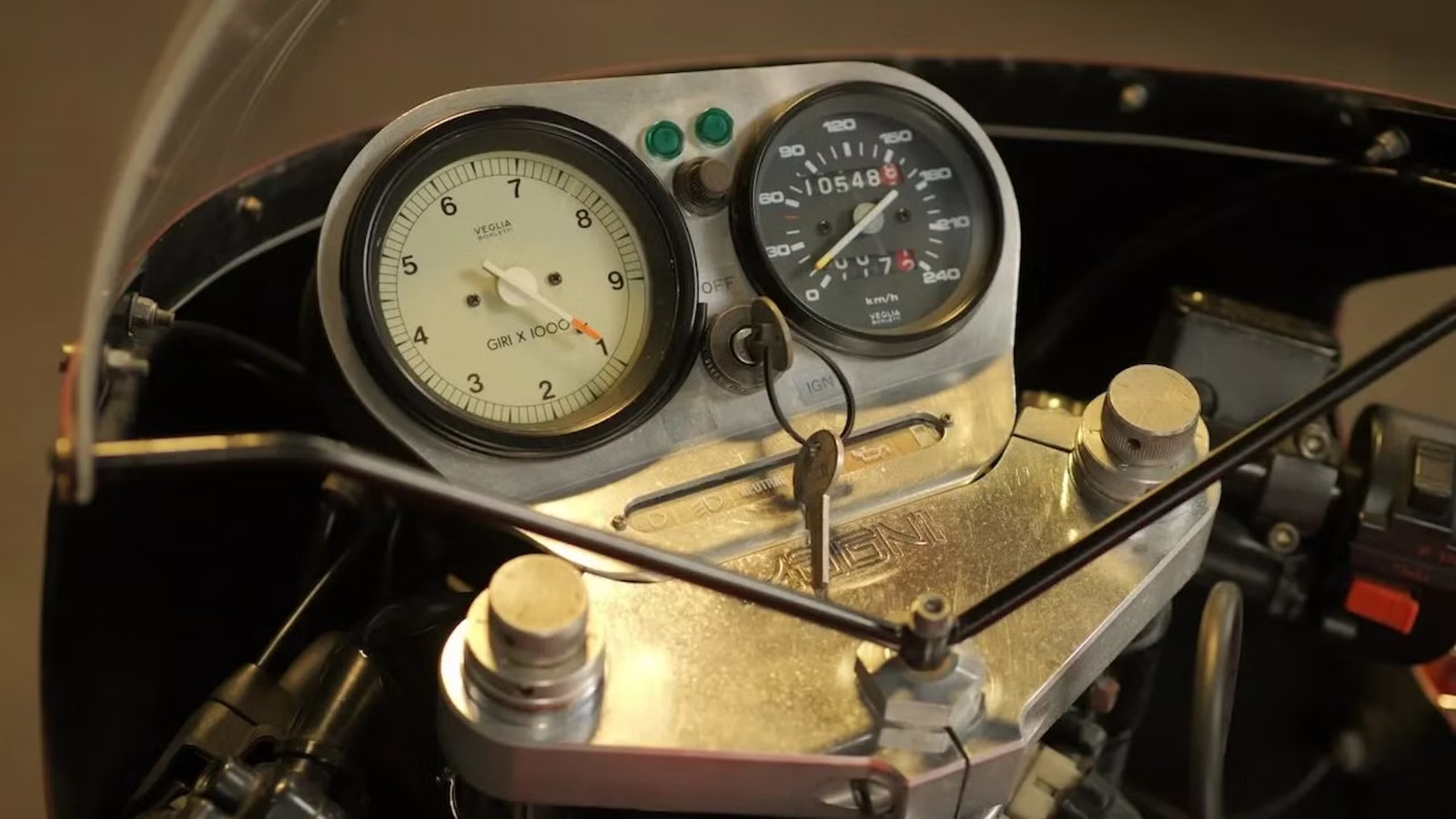
The T120’s twin-dial cockpit is one of its best visual holdovers from the old Bonnevilles, with an analogue speedometer and tachometer backed by LCDs. The modern touches are neatly tucked around that classic layout: LED lighting, cruise control, a USB-C charging port, and Road and Rain riding modes. It also gets lean-sensitive ABS and traction control, using lean-angle information to help manage braking and rear-wheel grip through corners.
The Bonneville T120 Has Few Direct Rivals, But Plenty Of Alternatives

Starting at $13,995 in the US, the Bonneville T120’s closest rival is arguably Triumph’s own Speed Twin 1200, priced from $15,395. It uses the same 1,200cc parallel-twin formula but makes 103.5 hp against the T120’s 79 hp, giving it a sportier edge. Kawasaki’s Z900RS, starting at $12,899, offers a different flavor with its 948cc inline-four, while BMW’s R 12 nineT costs $17,245 and brings a 1,170cc boxer twin to the table.
For a V-twin alternative, there’s the Moto Guzzi V7 Stone, starting at $9,990, with an 853cc engine producing around 67 hp. If you’d rather spend considerably less, the Royal Enfield Interceptor 650 starts at $6,149. Its 648cc parallel twin makes around 47 hp, a substantial drop from the T120, but it retains much of that old-school roadster character for less than half the price.
Sources: Triumph Motorcycles USA (Bonneville T120, T40 and Speed Twin 1200); Kawasaki USA (Z900RS); BMW Motorrad USA (R 12 nineT); Moto Guzzi USA (V7 Stone); Royal Enfield USA (Interceptor 650).

Related posts



Latest Post



No Comments