
The delights of the official Honda museum
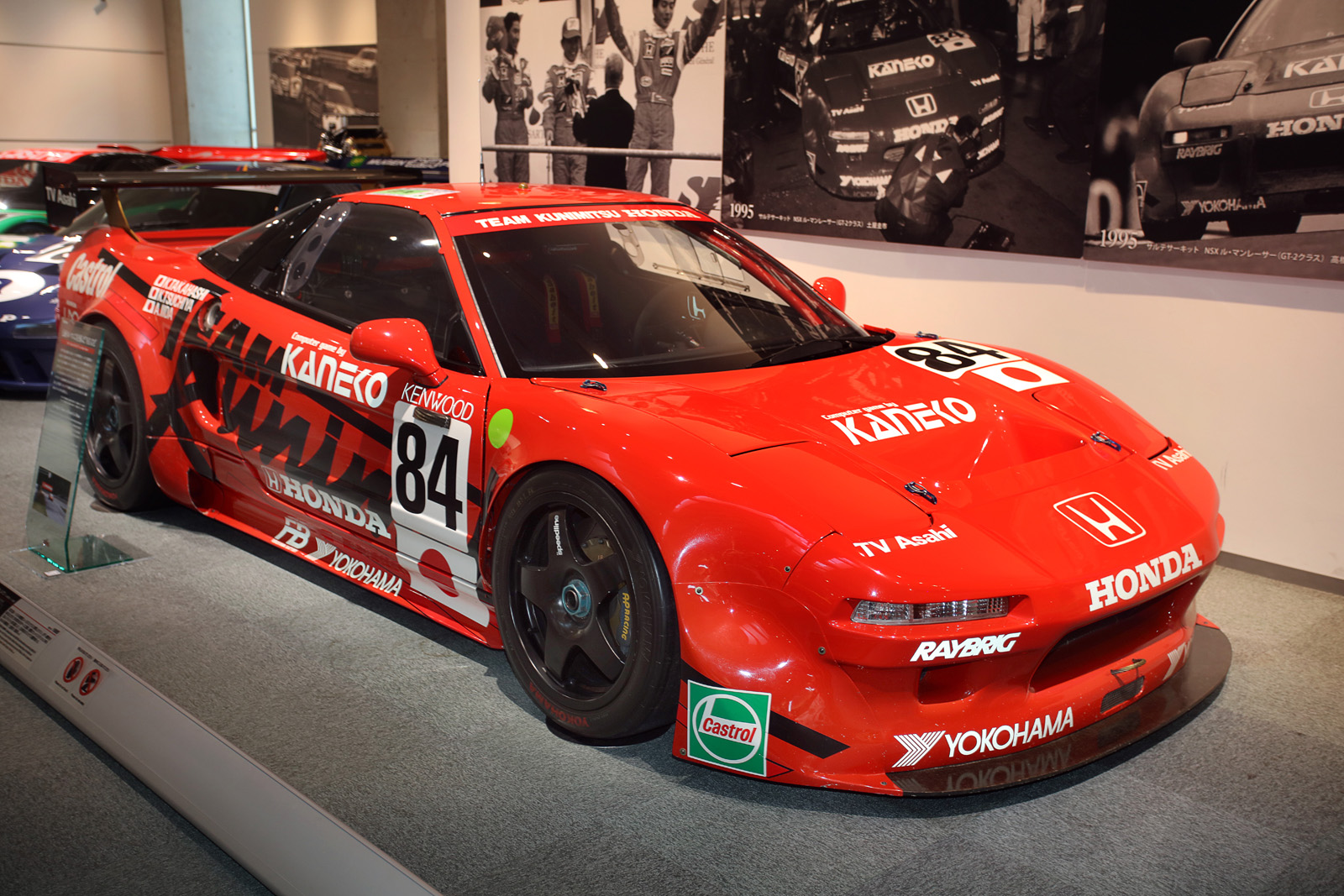
Situated about two hours north of Tokyo in the rolling hills and forests of Tochigi province is the Honda Collection Hall.
Located at the Motegi Twin Ring complex, which can be a bit tricky to get to, the museum is a delight for all automotive fans. Built in 1990, the site includes impressive oval and road course race circuits, a hotel, go-kart track, hiking trails and camping areas as well the museum.

Featuring treasures from company founder Soichiro Honda’s early pre-war racing, the birth of the motorcycle company up to more recent history of Formula One, sports car and Indy car racing, the museum celebrates the Honda philosophy of ‘creating products that serve people’.
Autocar recently visited and these are the highlights from our intriguing visit:
Curtiss Special (1924)

This is the race car that the young engineer Soichiro Honda worked on at the Art Shokai automobile service station in Tokyo, competing in as riding mechanic and firing his passion for motorsport. The car featured an 8.2-litre overhead valve Curtiss V8 aircraft engine mounted in a bespoke chassis and multi plate clutch.
Honda S360 (1962)
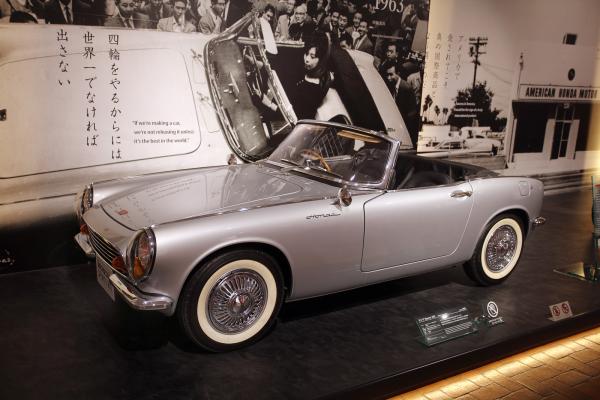
Honda’s first car was this pretty little sports car developed using much of its motorcycle technology. It featured a 356cc DOHC four power plant with chain rear wheel drive and weighed in at just 510kg. Effectively a prototype, it never saw full scale production.
Honda S500 (1963)
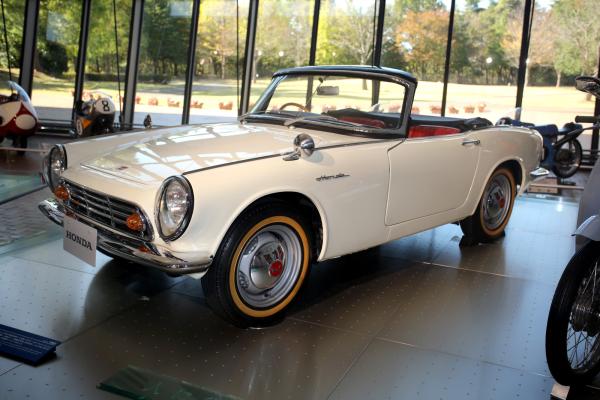
Realising that customers needed more performance, this is the first Honda that made it to market, thankfully with a larger engine. It featured a 530cc straight four-cylinder, four carburettor DOHC engine. Despite being one-third heavier than the prototype at 680kg, the 44bhp machine could achieve 85mph. With a nod to both its motorcycle past and its future, its engine speed redline was at a heady 9500rpm.
Honda S800 (1968)
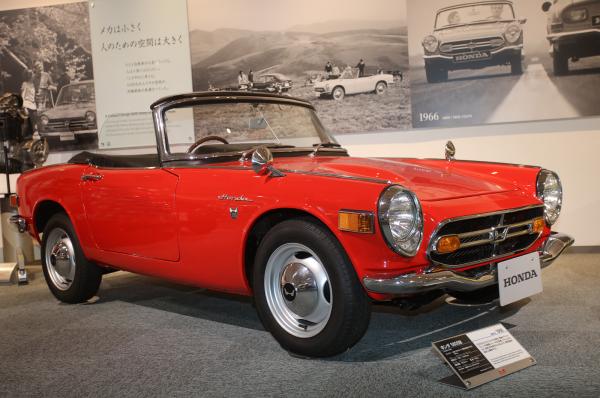
The final iteration of the S series was the S800M available both as a roadster and a coupe. With dual- circuit brakes, discs up front, four speed synchromesh gearbox and 70bhp at 8000rpm on tap, it was capable of 100mph. Built to take on the export market of the sporting MG and Triumph range, Honda described it as ‘the fastest production 1.0-litre car in the world’.
Honda N360 (1967)
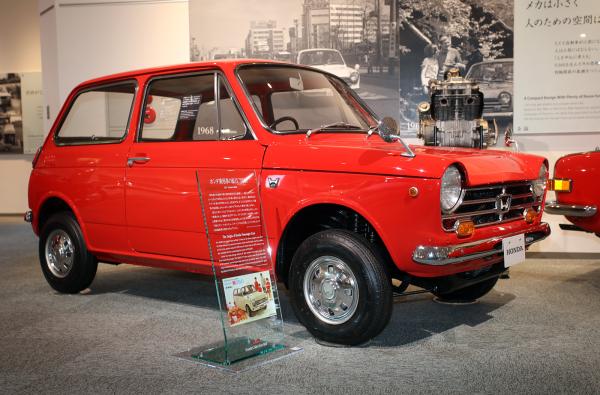
Using the mantra of ‘man maximum/machine minimum’ Honda produced the N360 and it was Japan’s best-selling ‘kei’ car for three years running after launch. With 30% more power than its rivals, it featured an air-cooled 356cc in line four delivering 31bhp to the front wheels. The spacious interior could comfortably seat four adults, or so Honda claimed.
Honda 1300 (1969)
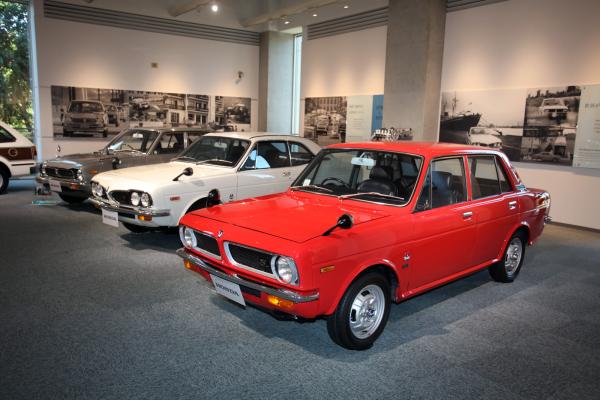
Honda biggest car to date was this 1.3-litre air-cooled and front wheel drive model. It featured founder Soichiro Honda’s innovative Duo Dyna Air Cooling, a system that forced cooling air from a fan mounted on the flywheel through a jacket around the four-cylinder engine.
Honda 1300 Coupe S (1970)
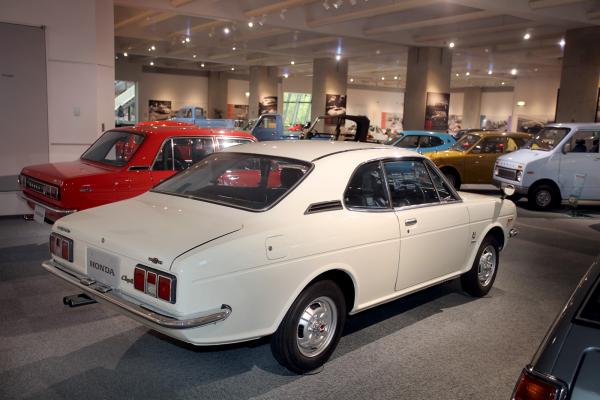
Available in two body styles, Sedan and Coupe the four carburettor all-aluminium SOHC dry sump engine developed more than 110bhp and was much loved by racers. It was to be Honda’s last air-cooled car engine.

Related posts
Latest Post


No Comments