
The BMW That Proves Premium Doesn’t Mean Fragile
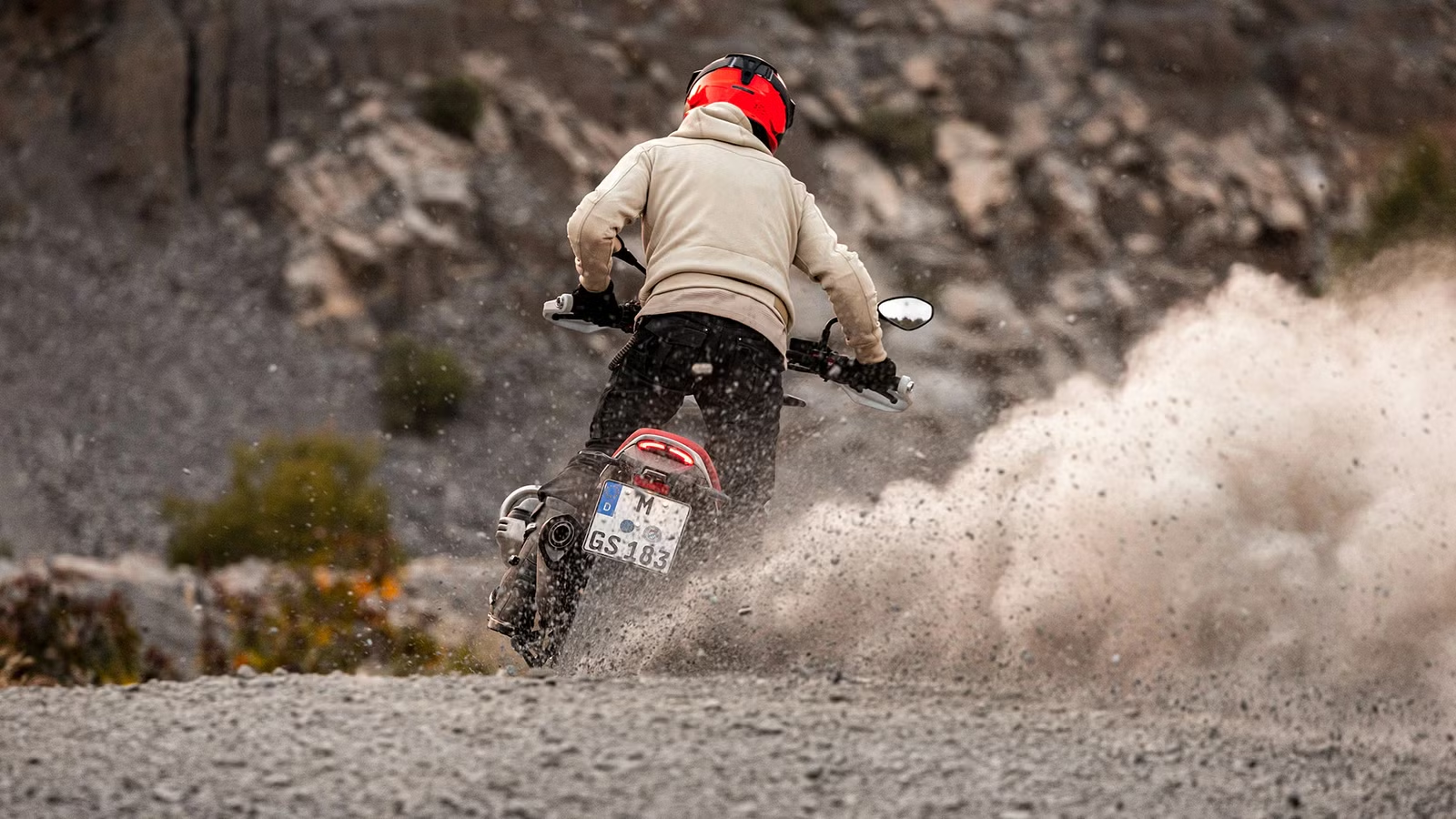
BMW Motorrad has built its name on precision. Tight panel gaps, machined aluminum, switchgear that clicks like a camera shutter. That level of finish makes some riders hesitate before taking a bike anywhere messier than a car wash. Conventional thinking suggests premium must mean delicate. However, BMW’s history says otherwise. Some of its most famous machines were designed to be hammered across deserts and left caked in mud, and they paired top-shelf quality with real durability. Somewhere along the way, a lot of people forgot that. One bike on sale today hasn’t, and it argues the point better than any brochure could.
How BMW Built A Premium Reputation And The Myth That Came With It

BMW didn’t stumble into this image. The company has been building boxer-twin motorcycles since 1923, and over the decades it added shaft drive, increasingly clever chassis work, and components that rarely feel cheap or cut down. Climb on almost any modern BMW, and the same things stand out: a solid, planted feel, precise controls, the sense that every part was chosen on purpose. Riders and reviewers keep describing the brand that way. That consistency has turned BMW into something of a benchmark, the bar other manufacturers get measured against when they claim a motorcycle is well-made.
When Premium Starts To Sound Like Fragile

There’s a flip side, though. Tight tolerances and a polished presentation can plant the idea that these bikes prefer gentle treatment, a smooth road and a clean garage. In the adventure and dual-purpose world, that assumption gets stronger. Plenty of riders figure real toughness belongs to simpler, cheaper machines, the kind you can drop in a creek bed without wincing. So BMW ends up in an awkward spot: praised for refinement, quietly doubted once the pavement ends. Is that fair? It’s worth asking, because one motorcycle in the current lineup was built to answer that doubt directly.
BMW’s R 12 G/S Brings The Original G/S Spirit Back To American Showrooms
Base Price: $17,095


That motorcycle is the BMW R 12 G/S, a modern enduro that takes its cues from the legendary R 80 G/S of 1980. It starts at $17,095, before considering the $995 destination fee. Buyers can pick Night Black Matte, Light White (the original’s white-tank look, red seat included), or the Option 719 Hematite scheme, which pairs Frozen Brooklyn Grey Metallic with red accents. It sits in BMW’s R 12 heritage family, so it shares that line’s air/oil-cooled boxer platform. What it adds is hardware that’s genuinely meant for dirt: off-road geometry and long-travel suspension.
From The 1980 R 80 G/S To Today’s Revival

The original R 80 G/S is widely credited with kicking off the adventure category. G/S stands for Gelände/Straße, German for terrain and road, and the bike proved the idea in the toughest way possible by winning the Paris-Dakar Rally in 1983, 1984, and 1985. The revival picks up that thread. It rides on a single-piece tubular space frame with a bolted rear frame, and the boxer twin remains air/oil-cooled at 1,170 cc, now wrapped in modern ride modes, traction control and ABS Pro.
What Makes The R 12 G/S Genuinely Tough

Powering the R 12 G/S is a 1,170 cc air/oil-cooled flat twin that makes 109 hp at 7,000 rpm and 85 lb-ft of torque at 6,500 rpm. Those numbers won’t impress anyone cross-shopping sport bikes, and that’s fine, because the power comes on low and wide instead of peaky. Shaft final drive means no chain to stretch, rust, or clean after a muddy day. It’s a layout BMW has refined since 1923, with global automotive media calling this version the most developed air-cooled boxer the company has sold.
A six-speed gearbox sends power through BMW’s shaft final drive. Compared to a chain drive, it removes routine cleaning, lubrication, and adjustment. It is not maintenance-free, but it’s practical for riders who cover long distances in mixed weather. This engine architecture has also served BMW’s R nineT and R 12 family for years.
Chassis, Suspension, And Off-Road Geometry

The hardware backs up the look. Fully-adjustable Marzocchi suspension delivers 8.2 inches of travel up front and 7.8 in the rear, and ground clearance is 9.4 inches. Brembo calipers grab a 310 mm front disc. The front wheel is a 21-inch cross-spoke unit, and the rear is a 17-incher unless you step up to the optional Enduro Package Pro, which swaps for an 18-inch unit and adds off-road tires, enduro foot pegs, a larger engine guard, handlebar risers, hand protection, and a longer side stand. That package runs $875.
Tubeless-capable spoked wheels mean a trail-side puncture is a plug job instead of a tube swap. The tubular space frame is rigid, the seat is flat so you can shift around, and the tank is shaped to grip with your knees when you stand. Upright, enduro-style ergonomics put control ahead of show. Weight isn’t its strong suit, with the scales ticking 504 pounds (unladen, fully-fueled).
Electronics That Support, Rather Than Complicate, Hard Riding

Standard electronics include Rain, Road, and Enduro riding modes, Dynamic Traction Control, and BMW Motorrad ABS Pro. Enduro Pro is available with the optional Enduro Package Pro. These systems let riders adapt the bike’s responses to different surfaces, while ABS Pro adds braking support when cornering. The round instrument keeps the cockpit relatively uncluttered.
BMW’s optional Premium Package adds heated grips, cruise control, Hill Start Control, a quick-shifter, tire-pressure monitoring, and Headlight Pro. The Enduro package is more relevant for riders who plan to spend meaningful time on dirt. The options tailor the bike to its owner without changing its basic mechanical layout.
Why The R 12 G/S Proves the Point

The R 12 G/S does more than borrow a famous name. Its 21-inch front wheel, adjustable suspension, shaft drive, protective options, and useful low- and mid-range torque give it a purpose beyond looking good outside a coffee shop. It can handle gravel roads and measured trail riding without pretending to be a featherweight enduro. There is reassurance in the ownership package, too. BMW Motorrad USA backs new motorcycles with a limited warranty of three years or 36,000 miles, whichever comes first, and the coverage is transferable.
BMW also includes break-in service for new 2025 and 2026 motorcycles, subject to time and mileage limits. That is meaningful support, although routine servicing and wear items remain part of ownership. The R 12 G/S is not cheap, light, or immune to a careless landing. But that is not the same as being fragile. It combines a mature engine platform and low-fuss shaft drive with a chassis prepared for rough roads. Premium, in this case, means well engineered for demanding use — not simply well finished for display.
Source: BMW Motorrad

Related posts




Latest Post


No Comments