
The 4 Least Appealing BMWs of the Last Decade
Article Summary
- The F39 X2 sacrificed practicality and traditional BMW dynamics without offering enough in return.
- The 6 Series GT and 2 Series Tourers paired useful interiors with awkward styling and unclear market positioning.
- Despite its immense power and legitimate M hardware, the BMW XM struggled to justify its design, weight, and price.
Designing a car is hard work, probably. But throughout BMW’s history, there have been periods where the brand has made it look nearly effortless. The BMW i8, for example, is one of the prettiest cars in the last decade. More recently we have examples decidedly more tangible for most of us; the BMW 3 Series is one of the more handsome cars on the road today, and the G05 X5 — although it’s on its way out — easily contends as one of the best looking luxury SUVs out there. That said, not every BMW inspires the same feelings of lust. In fact, there have been several BMWs in the last decade alone that haven’t exactly been immediately appealing.
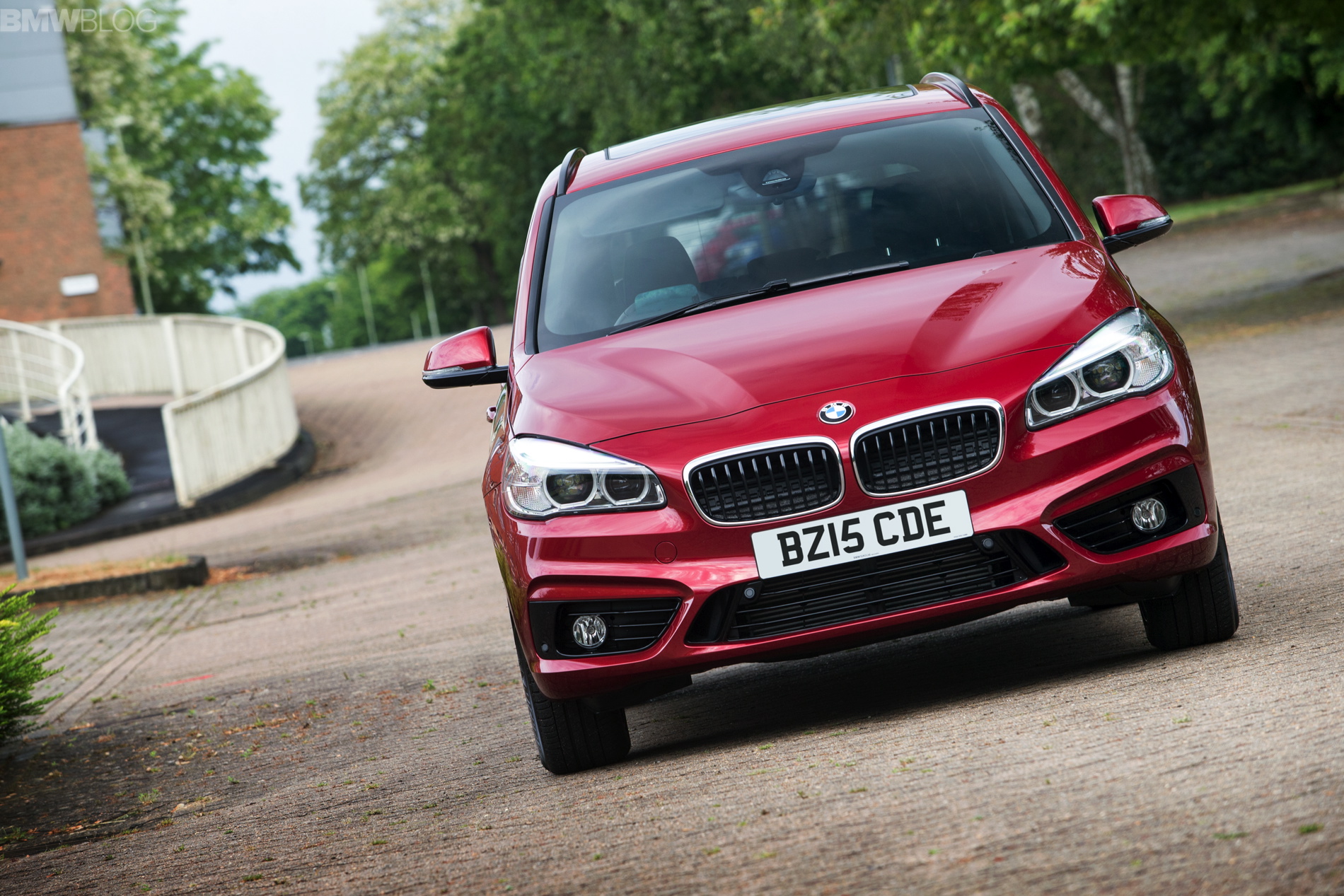
F39 BMW X2

The F39 BMW X2 crossover was BMW’s attempt to ensnare a younger demographic shopping in the X1 price range. The SUV’s sloped rear, approachable running costs, and uniqueness was poised to upstage the decidedly stuffier and more traditional X1. What actually happened? Well, the car’s weird shape simply made it a less practical version — and more expensive version — of the perfectly serviceable BMW X1. If its design is polarizing, its dynamics are downright alienating; underneath that weird sheet metal is the same UKL2 architecture underpinning the X1 and MINI Countryman. So, anyone expecting a RWD experience would be sorely disappointed. Any one of these factors would be a ding in the car’s façade; taken all at once, it makes the last generation BMW X2 one of the least appealing BMWs of the last decade.
6 Series Gran Turismo
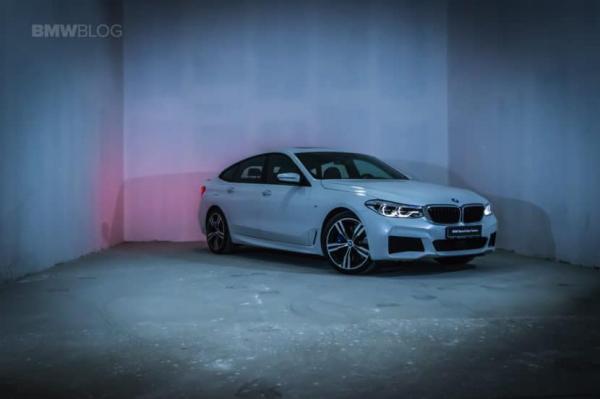
The Gran Turismo models already had a Sisyphean feat ahead of them. U.S. car buyers, particularly, struggle to see the value of a wagon or hatchback over a traditional sedan or SUV model, and the GT models sought to blur the line between segments even further. Not nearly as tall as an SUV but sitting higher than the traditional sedan and offering a practical hatchback design, there was arguably some clear appeal here. However, there was also a lot to dislike. For one, the car’s design left a lot to be desired. Like the 5 GT before it, the 6 GT would’ve looked better as a wagon. It also would’ve performed its intended purpose better. Perhaps BMW saw the writing on the wall; the 6 GT only lasted two years in the United States. If you can get past the car’s unsexy looks, it’s really not a bad buy. Values, predictably, tanked and remain low.
BMW XM

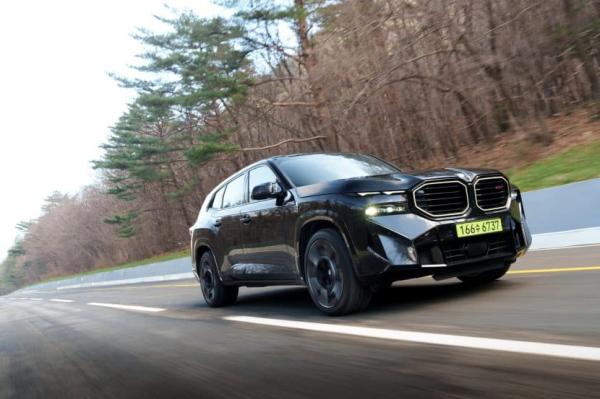
The XM’s reception was considerably chillier, perhaps, than what BMW expected. It started out all well and good, touting lots of real M goodies — including humongous brakes and a real menace of an engine, the S68 V8. But ridiculous power figures are not enough to save the BMW XM. Its styling chased off most fans immediately; those remaining were usually turned off by either the SUV’s tremendous curb weight (over 6,000 pounds), lack of “above-and-beyond” luxury features befitting its over $150,000 price tag, or limited electric-only driving range (30 miles or so). No matter how you slice it, the XM remains one of BMW’s least desirable products in the last year, and it’s one of the only M-badged vehicles we can say that about. Which, I guess is a good thing.
BMW 2 Series Active/Gran Tourer
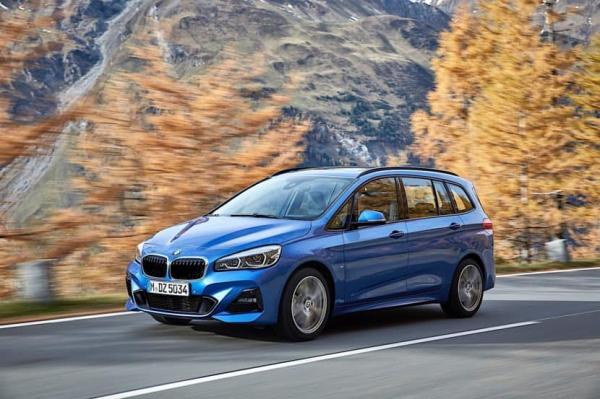
The BMW 2 Series is a confusing family. At differing times, there have been both coupe and convertible models, an unrelated sedan model named “Gran Coupe,” and if you include the Active and Gran Tourer models, two different subcompact minivans (or MPVs). These 2 Series never came to the United States. But that doesn’t diminish the level of, well, undesirability they exude. The Active Tourer and Gran Tourer are identical aside from the Gran Tourer’s longer dimensions and third row of seats.
Like some of the other vehicles on this list, the 2 Series Tourers suffer from awkward proportions that largely trade form for function. Unlike cars like the XM and 6 Series GT, however, these 2ers also suffer from uninteresting powertrains. Drivers can enjoy the thrill of a four-pot diesel or three-cylinder 1.3-liter gas engine: riveting choices. The second generation Tourer models, which BMW unveiled in 2021, didn’t improve on things much at all. At least BMW dropped the longer three-row model, which was arguably the most heinous looking. It, like the 6 GT, was so unappealing that BMW opted to not bring it into a second generation. Rumor has it that the Active Tourer as a whole may not get a third generation, either.
BMW’s willingness to experiment is part of what makes the brand interesting. Of course, not every experiment lands. The cars above were not necessarily bad vehicles; several were practical, quick, comfortable, or technically impressive. Their problem was that each compromised something buyers expected from a BMW, whether that meant attractive proportions, engaging dynamics, sensible pricing, or a clear purpose. That doesn’t mean these models are destined to remain undesirable forever. After all, strange and unsuccessful BMWs have a habit of becoming more interesting with age. Especially once depreciation makes their flaws easier to forgive. Still, judged against the rest of BMW’s output over the last decade, these are the models most likely to leave enthusiasts looking elsewhere.

Related posts





Latest Post


No Comments