
The Forgotten Hurst-Olds Is Finally Getting the Recognition It Deserves
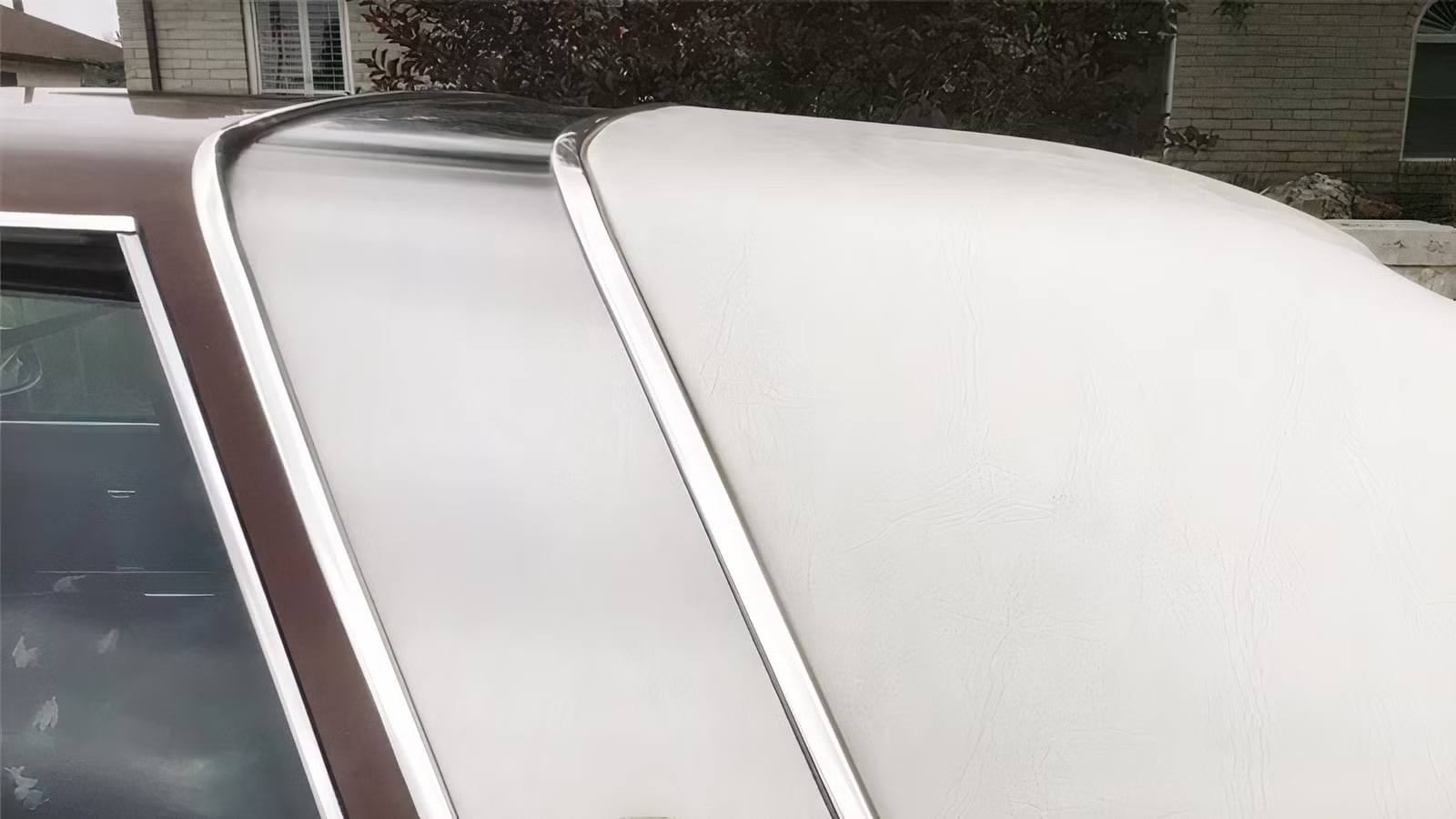
Put Hurst and Oldsmobile together and your brain goes straight to muscle: big V8s, performance hardware, and a shifter worth grabbing. By 1976, though, that partnership took a hard left. Hurst was still involved, but the assignment had almost nothing to do with making an Oldsmobile quicker.

That twist wasn’t completely out of character. Hurst had already worked with Chrysler on the 1970 300 Hurst, showing its name could work on a big V8 luxury coupe. What came next pushed that idea somewhere far stranger.
Why Hurst’s Name Made Oldsmobile Fans Expect Muscle
The 1968 Hurst/Olds gave buyers plenty of reasons to take the Hurst name seriously. Its 455-cubic-inch V8 packed big-valve heads, a modified camshaft, carburetor and distributor changes, plus W-30 ram-air induction. Then came the Hurst Dual-Gate shifter, which let automatic buyers use a normal shift pattern or a separate gate for manual gear selection.

The 1969 Hurst/Olds made the performance message impossible to miss. White-and-gold paint, a large hood scoop, and a rear wing made the special edition stand out before anyone even opened the hood.
Hurst and Oldsmobile kept that performance image alive in 1972, when a Hurst/Olds served as the Indianapolis 500 pace car with a 455 and Dual-Gate shifter. By then, the pattern was hard to ignore: big V8s, unmistakable hardware, and serious visual attitude. So when another Hurst-Oldsmobile collaboration appeared in 1976, expecting more muscle was perfectly reasonable.
Hurst’s Surprise: The 1976 Royale Crown Landau Coupe

The surprise was the 1976 Oldsmobile Delta 88 Royale Crown Landau, a one-year-only luxury package. Hurst handled the roof conversion, covering the rear-quarter windows and adding a padded vinyl roof with a stainless-steel landau bar. Only 4,360 were built, making this much more than ordinary trim.
Oldsmobile’s 1976 sales brochure shows what buyers actually got. Covering the rear-quarter windows gave back-seat passengers more privacy, but it also reduced the driver’s view beside and behind the car. And despite the name, the landau bar was decoration; this roof did not fold down.

An upright hood ornament and color-matched wheel covers finished the look. The wheels echoed the Cutlass Salon’s coordinated styling, while Detroit’s floral-roofed Mopars show how adventurous roof fashion could get in the 1970s. Oldsmobile chose formal luxury instead, with Hurst doing the unexpected work. It was a strange turn for a company so closely tied to Hurst/Olds muscle cars.
The $598 Package Offered Ninety-Eight Style For Less

The Crown Landau package added $598 to the $5,146 Delta 88 Royale coupe, bringing the starting total to $5,744. A base Ninety-Eight coupe listed at $6,271, so Oldsmobile delivered a lot of formal-car theater for $527 less. Those are starting prices, not identically optioned cars.
And the Delta 88 was hardly modest in scale. Its 124-inch wheelbase sat on GM’s B-body platform, while the larger Ninety-Eight used the C-body. The Royale Crown Landau already had full-size presence before the padded roof, covered rear-quarter windows, and stainless landau bar turned it into something far more extravagant. This was luxury by acreage: long wheelbase, broad body, and a roof treatment impossible to ignore.
The Big V8 Had A Different Job Here

Under that roof sat a standard 350-cubic-inch V8 rated at 170 hp, while buyers could step up to a 455-cubic-inch V8 with 190 hp. Those were period net ratings, and the 455 was not a disguised Hurst/Olds performance engine. The marvel here is the combination: 455 cubic inches in a formal luxury coupe whose Hurst contribution was the roof work.
The roof package and engine choice were separate, so the Crown Landau treatment does not prove which V8 is underneath. Oldsmobile also gave the Delta 88 Turbo Hydra-matic, power steering, and power front disc brakes, while Royale trim added velour and extra interior lighting. It was a big V8 coupe dressed for the opera, not the drag strip—a mismatch that makes it memorable.
Beyond The Roof, A Rare Look At GM’s Luxury Playbook

Buick’s 1976 coupe sales show the broader market pressure around this Oldsmobile. Curbside Classic records 217,982 combined Regal and Century coupe sales against 49,530 LeSabre coupes, over four to one. The retrospective ties the shift toward smaller, less expensive, more fuel-efficient cars to the aftermath of the oil crisis. That doesn’t prove buyers rejected the Royale Crown Landau, or that its roof hurt sales. It shows the headwind this formal coupe faced.
Luxury still had room for spectacle. Buick’s earlier luxury V8s show how comfort and substantial engines shared GM showrooms, but the Royale Crown Landau made styling the event. One way to read the Hurst arrangement is that GM used a performance partner to deliver cosmetic luxury. That’s interpretation, not documented corporate strategy. A name tied to muscle was helping Oldsmobile turn a roof into theater.
For anyone judging one, the rear-quarter treatment deserves as much attention as the engine. The factory brochure gives collectors a reference for the covered windows, padded roof, stainless bar, and coordinated wheel covers. Its 4,360-unit production run establishes rarity, but tells us neither how many survive nor what one should cost. The Royale Crown Landau doesn’t need a horsepower legend to matter. It is the kind of full-size oddity you wish had been sitting in your garage all along.
Sources: Oldsmobile

Related posts

Latest Post


No Comments