
Pricier cars, fewer staff: JLR’s plan to boost profits takes shape
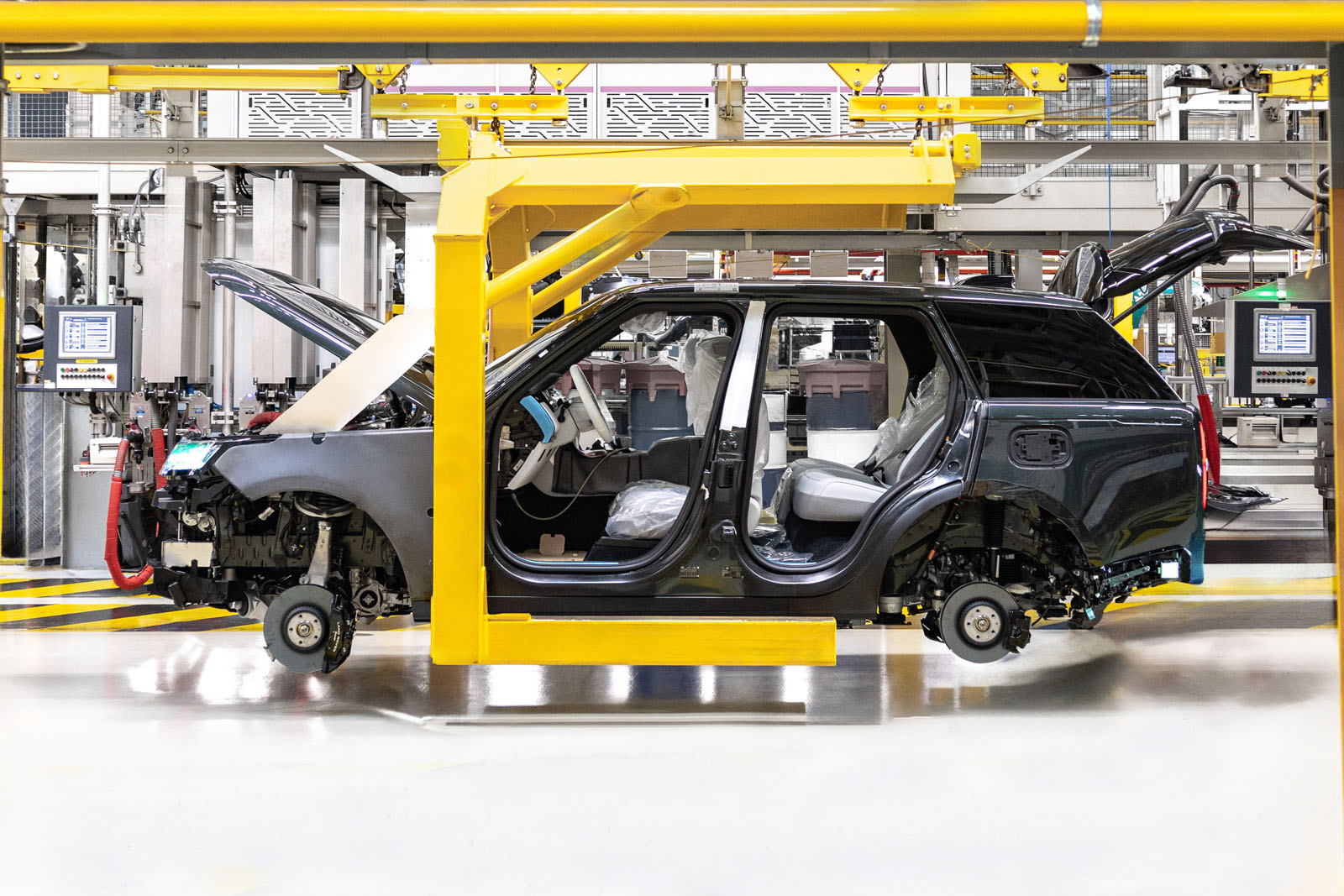
JLR is cutting 4000 more jobs over the next two years as it hedges against global instability

The gloomy news that JLR will cut 4000 jobs over the next two years has sparked fears that Britain’s biggest car maker is in trouble.
Commentators have rushed to criticise recent company decisions. The new EVs are too late, too plentiful or too distracting; Jaguar should be combustion-engined, killed or sold.
Some of those criticisms might be correct, others are well wide of the mark. But it’s not true to say that the scale of these latest job cuts means JLR is crippled; it’s more of a reflection of the size of the threats that global automotive companies face today.

JLR understands those threats better than anyone. The cyber attack that froze its operations for five weeks last year was the most damaging way the increasing global instability could have materialised, short of a war.
Largely because of this, JLR lost £200m after two years of solid profit, a period in which it matched its best-ever profit of £2.6bn.
The company is profitable again, but its 2.8% margin in the second quarter of 2026 was weak.
This is where cost cuts will help. JLR wants to bring its breakeven point down to 300,000 cars built annually. It will then make healthy money if it sells 400,000 – or, as is more likely today, have a buffer if things go wrong.
Tariffs in the US, changing customer tastes in China and wars pushing up raw-material costs are just some of the current headwinds.
Last year, JLR sold 352,389 cars and lost money. In two years’ time, with the planned £1.7bn costs taken out, it could theoretically do the same and post profits.
JLR has been here before. Six years ago, it embarked on a similarly painful round of cost cuts – including 4500 job losses – after its production breakeven figure rose from 425,000 in 2014 to 600,000 in 2019, the year in which it wrote down £3.1bn and accepted that Jaguar would never work as a mainstream premium brand. The urgency was compounded by the Covid pandemic and subsequent chip shortage.
The goal then was to hit a breakeven figure of 400,000, which it did in 2021. Now it needs to go lower, helped by a strategy to chase fewer but wealthier customers with pricier cars.
This is JLR at its best. By targeting the wealthiest with cars that those people really, really want, it hopes to ride out global risks.
How JLR walks the tightrope of building better, more expensive cars with fewer people will be the key to its success, but it has been here before and come out stronger.
The hopes of the UK and the West Midlands in particular are pinned on the company doing the same again.

Related posts




Latest Post


No Comments