
New BMW X5 revealed with first electric iX5 model
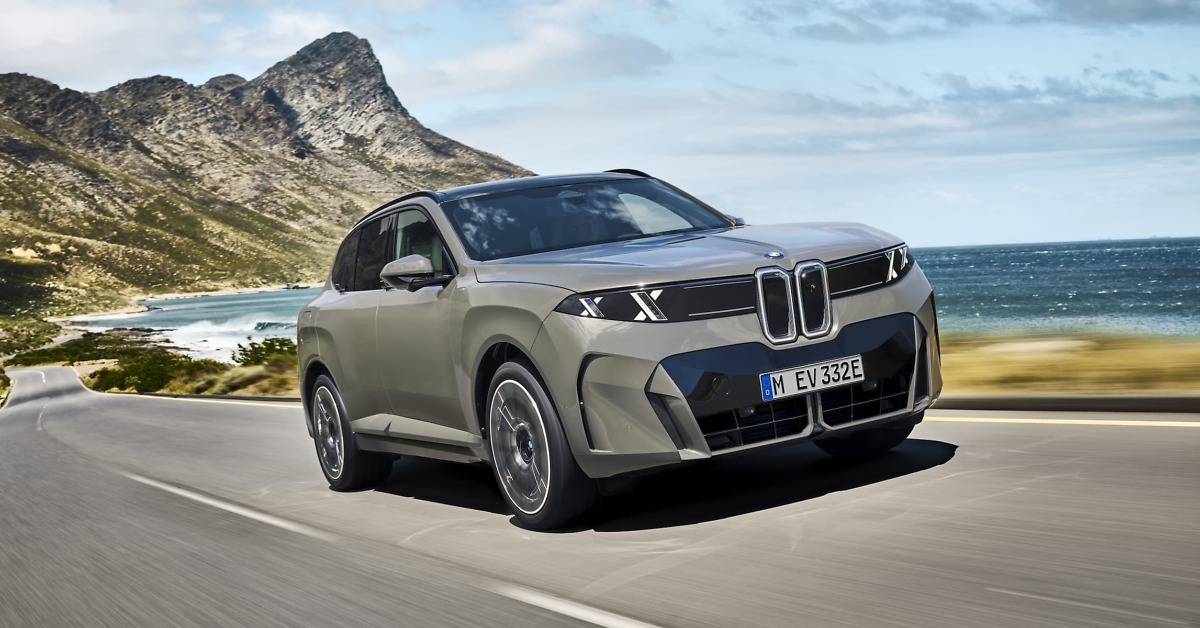
BMW has revealed the fifth-generation BMW X5, with the brand’s large SUV set to arrive in the UK next spring.
The new BMW X5 will continue to be offered with combustion and plug-in hybrid powertrains, but the biggest change is the arrival of the BMW iX5 – a fully electric version of the X5 that will sit alongside the rest of the range.

The iX5 uses the brand’s latest electric drivetrain technology, with a large 141kWh battery and a quoted driving range of up to 525 miles. BMW says the iX5 will also be able to charge at up to 460kW from a suitable public charger, thanks to its 800-volt electrical system.
All UK versions of the new BMW X5 will be four-wheel drive. When the model launches here, buyers will be initially offered one electric model, one diesel model and two plug-in hybrids. A fully electric M Performance version will join the range later.
BMW has also confirmed plans for a hydrogen fuel-cell version, called the BMW iX5 Hydrogen, but this is not part of the initial UK launch range and is unlikely to be relevant to ordinary buyers. Hydrogen passenger cars remain a long way from becoming a realistic consumer option, mainly because refuelling infrastructure is so limited.
Electric BMW iX5 offers up to 525 miles of range

The BMW iX5 60 xDrive is the first fully electric version of the BMW X5 and is likely to be the most important model in the new line-up.
It uses two electric motors, one on each axle, producing a combined 578hp and 805Nm of torque. BMW quotes a 0-62mph time of less than five seconds and an electronically limited top speed of 130mph.
The biggest figure is the driving range. BMW quotes up to 525 miles from the iX5’s 141kWh battery, although real-world range will depend on speed, weather, wheel size, temperature and how the car is used.
Charging performance is also unusually high. BMW says the iX5 can charge from 10% to 80% in 23 minutes when connected to a powerful enough charger, with up to 350 miles of range added in ten minutes under ideal conditions. As yet, there are very few charging points in the UK that can charge at the sort of speeds that the iX5 can accept, but this will change over time.
The iX5 also has a small front storage compartment under the bonnet, offering 53 litres of extra space. Boot capacity is quoted at 655 litres with the rear seats in place, increasing to 1,850 litres with them folded, matching the diesel version.
Diesel and plug-in hybrids remain in the range
BMW has not abandoned combustion engines for the new X5. The UK launch range will include the BMW X5 40d xDrive diesel, powered by a 3.0-litre six-cylinder diesel engine with mild hybrid assistance.
The diesel produces 313hp and 670Nm of torque, with a quoted 0-62mph time of six seconds. BMW has quoted fuel economy of up to 40mpg, although precise UK figures will be confirmed closer to launch.
There will also be two plug-in hybrid models. The BMW X5 50e xDrive combines a 3.0-litre six-cylinder petrol engine with an electric motor, producing 489hp and 700Nm of torque. BMW quotes a 0-62mph time of five seconds and an electric driving range of up to 63 miles.
The BMW X5 M60e xDrive sits above it as the performance plug-in hybrid. It also uses a six-cylinder petrol engine and electric motor, but produces 612hp and 800Nm of torque. BMW quotes a 0-62mph time of 4.5 seconds and an electric driving range of up to 61 miles.
New design, familiar proportions
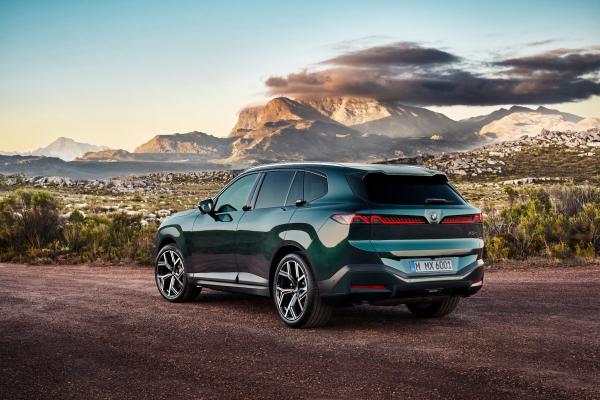
The new BMW X5 has been restyled in line with BMW’s latest Neue Klasse design language, and looks like an upscaled version of the smaller iX3 that went on sale earlier this year.
At the front, the bonnet is taller, which makes the new X5 seem much larger than the old model, although the actual growth is minimal. The traditional BMW kidney grille is much smaller and more upright, with optional illumination.
The biggest visual difference to the smaller iX3 is the new “double-X” daytime running light design, which is likely to stir debate (they can be switched to a more conventional design if preferred). The X-shaped graphics are reminiscent of the tape once used over headlights on old racing cars, which is an odd reference point for a large SUV but likely to become a recurring BMW SUV signature.
The door handles are a new ‘winglet’ design that sit at the base of the windows rather than in the usual position inside the door panels, while the rear features slim taillights that stretch across much of the car’s width.
BMW says the new design is also much more aerodynamic than the previous X5 and most other SUVs, which will help fuel or electrical efficiency.
Wheels start at 21 inches, with 22- and 23-inch designs available depending on model and specification.
New dashboard and passenger screen
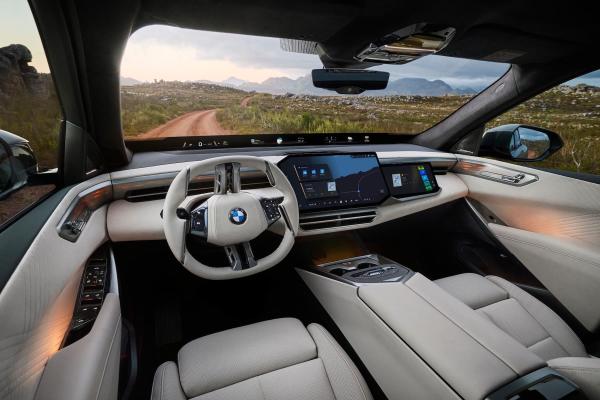
The Neue Klasse treatment extends into the new X5 cabin as well, with a layout that is an enhanced version of what we’ve seen in the new iX3 SUV and i3 saloon models.
The completely redesigned dashboard is built around BMW’s new Panoramic iDrive system, which projects display information right across the base of the windscreen. This is combined with a large central touchscreen and a head-up display to provide plenty of flexibility for the driver to configure how information is presented.
The diagonal central display measures 18 inches, while a new optional extra screen gives the front passenger a separate 15-inch display. BMW says the passenger screen can be used for video streaming while the car is moving, with a shielding system designed to stop the driver being distracted.
BMW is also using new trim materials, including slate, which the company says is being used as a decorative interior surface by a car manufacturer for the first time. A panoramic sunroof is standard, while options include ventilated and massaging front seats, four-zone climate control and an upgraded surround sound system.
Driver assistance and chassis technology
All versions of the new BMW X5 will come with adaptive suspension as standard. Depending on model and options, buyers will also be able to choose air suspension, rear-wheel steering and active roll stabilisation.
The BMW iX5 also uses a new central control system that BMW calls ‘Heart of Joy’. In simple terms, it manages the electric motors, braking, energy recovery and driving behaviour together, with the aim of making the car feel smoother and more consistent.
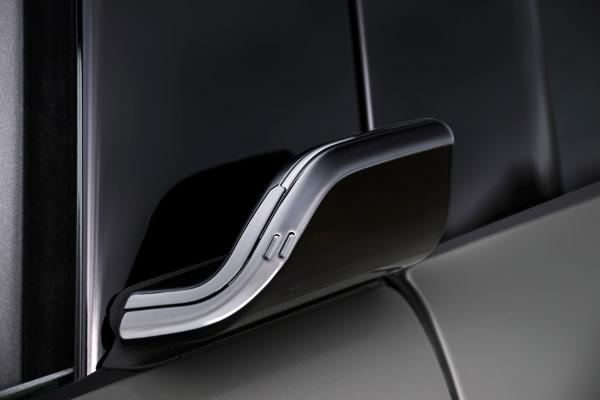
Driver assistance technology has also been upgraded, bringing adaptive cruise control and lane assistance as standard. An optional motorway assistant will allow hands-free assisted driving on suitable roads at speeds of up to 80mph, where permitted, with lane changes confirmed by the driver looking at the relevant side mirror.
Parking assistance is also included, with an optional system allowing remote-control parking from a compatible smartphone.
New BMW X5 and iX5 arrive next spring
Production of the new BMW X5 range is due to begin in August at BMW’s US factory in South Carolina, where all previous X5 models have been built.
UK deliveries of electric, diesel and plug-in hybrid models should start in spring 2027. Pricing and detailed specifications have not yet been announced, and we expect them later this year when orders open.

Stuart says:
“The arrival of the BMW iX5 means the beginning of the end for the company’s existing electric SUV flagship, the BMW iX. On paper, the new iX5 looks superior in almost every way: it has a more familiar BMW SUV shape, a longer quoted driving range, faster charging, a newer-generation electric platform and the practicality buyers expect from an X5.
“The iX has always been a deliberately different kind of BMW, with oddball styling and a dedicated electric identity. The BMW iX5 puts electric power at the heart of the new X5 line-up, and will be more appealing to many buyers. It’s likely to be a much bigger seller than the iX ever was.
“That creates an awkward question for anyone considering a new BMW iX. With a much better and more conventional electric BMW SUV due next year, why buy one now? The iX may remain on sale in the UK for a while yet, but its appeal as a new car purchase has just taken a serious hit.
“It may not help the iX as a used car either. Without a direct replacement, it risks being remembered as a short-lived electric oddity rather than an ongoing part of the BMW family, which could make future buyers more cautious once the iX5 is widely available.”

Related posts

Latest Post


No Comments