
It Can’t Be Denied: Modern BMWs Are Arguably Better Than The Classics We Worship
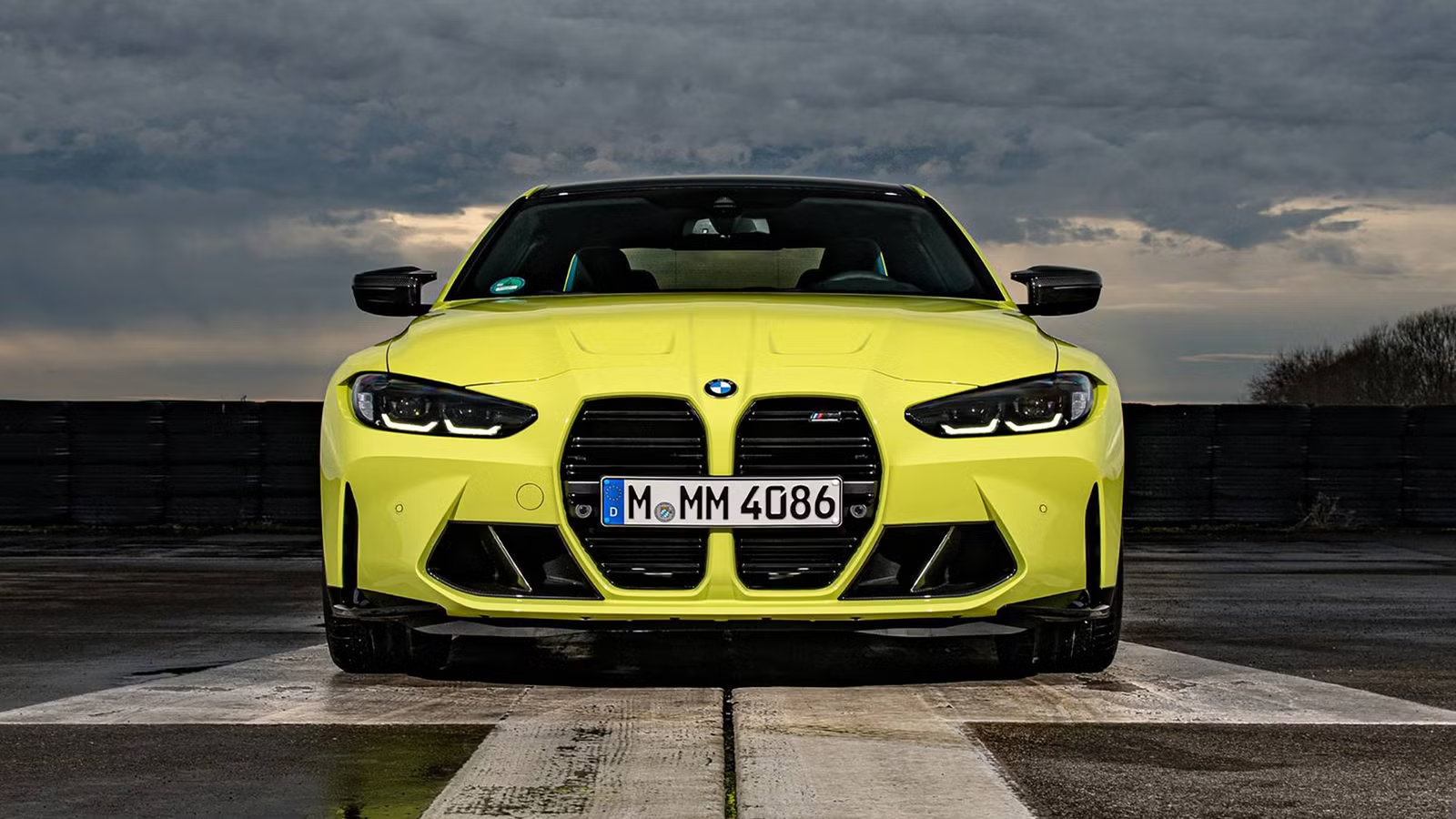
As of late, classic BMWs have experienced a resurgence, gaining a cult-like following among enthusiasts. Certain BMWs from the 1980s, 1990s and early 2000s have been billed as being part of the pervasive “Golden Era” myth among BMW purists. Models such as the E30 M3, E39 M5 and E46 M3, which were considered desirable performance cars, are now being treated as sacred, untouchable artifacts.

That being said, rosy retrospection and nostalgia often conflate raw, mechanical inputs with objective driving perfection, masking the significant flaws and limitations of classic BMW models. While classic BMWs deliver unmatched tactile charm, modern BMWs far surpass them in performance breadth, engineering durability, usable technology, and daily livability, making them objectively superior overall driving machines.
The Steering And Tactile Feel Fallacy
Hydraulic Feedback Vs. Modern Precision
For generations of enthusiasts, the gold standard of BMW driver engagement has been defined by the hydraulic steering rack, a setup heralded for delivering raw, unadulterated road feel in benchmark models like the E92 M3, E82 1 Series, and Z3. This tactile connection is widely celebrated as the pinnacle of precision, leaving many to dismiss modern electric power steering (EPS) as an unwelcome compromise.

However, equating a lighter, highly talkative hydraulic feel with objectively faster or more accurate vehicle control reveals that the argument for classic BMW supremacy begins to unravel. Modern BMWs prove that steering evolution isn’t about losing driver engagement; it is about refining it by replacing nervous kickback with razor-sharp turn-in, massive front-end grip, and high-speed directional confidence that older steering setups simply cannot match. While classic BMWs deliver unmatched tactile charm, modern BMWs surpass them in performance breadth, engineering durability and daily livability, making them objectively superior overall driving machines.
Engineering Precision And Broad-Spectrum Performance
Unrivaled Powertrains And Thermal Efficiency


Nostalgia glorifies the atmospheric swan songs of BMW M’s past: the screaming 8,000 RPM S54 inline-six from the E46 M3 and the throaty S62 V8 from the E39 M5. Purists point to their individual throttle bodies and linear power delivery as art forms. Yet, evaluating these engines objectively reveals their operational narrowness. Vintage naturally aspirated M engines required drivers to wring their necks high into the rev range to extract meaningful power, yielding sluggish low-end response in everyday conditions.
In contrast, modern powerplants like the modular B58 inline-six and the M-developed S58 twin-turbocharged unit represent monumental leaps in propulsion technology. The S58 found in the G80 M3 delivers its maximum torque, up to 479 pound-feet, from as low as 2,750 RPM and holds it flat across the rev band, pairing bottom-end punch with an unrelenting top-end rush up to the 7,200 RPM redline. Furthermore, where vintage engines were famously fragile when pushed beyond factory parameters, modern closed-deck blocks handle massive thermal stress and aftermarket tuning with absurd factory-level durability.
Crucially, modern engineering has solved the catastrophic failure modes that haunted classic BMW ownership. Older models were notorious for fragile cooling systems with plastic radiator end tanks, failing water pumps, heat-soak issues, and subframe floor cracks caused by excessive chassis flex. Modern M cars utilize multi-circuit cooling loops, complete with indirect intercoolers, dedicated transmission coolers, and track-ready oil scavenge pumps, ensuring that dynamic capabilities remain consistent even after hours of hard track abuse.
Suspension Technology And Modern Rigidity

The chassis dynamics of classic BMWs were inherently compromised by the hardware limits of their era. Achieving flat cornering and high-speed body control meant committing to stiff, fixed-rate dampers and aggressive spring rates. On uneven tarmac or pitted backroads, these setups translated into a harsh, skittish ride that unsettled the chassis and degraded grip.
Modern BMW chassis engineering eliminates this trade-off through adaptive suspension technology and massive gains in torsional rigidity. Modern architectures like the CLAR (Cluster Architecture) incorporate extensive aluminum bracing, shear panels, and ultra-high-strength hot-formed steels. This stiff backbone provides a rock-solid foundation for adaptive damping systems to operate effectively.
Additionally, multi-stage dynamic stability systems monitor steering angle, yaw rate, and wheel slip thousands of times per second, allowing drivers to safely explore the absolute limits of chassis grip without the sudden, snap-oversteer breakaway characteristics common to vintage rear-wheel-drive setups.
Daily Usability And Interior Realities
Safety, Cabin Isolation, And Practicality


Remove the rose-tinted glasses, and classic BMW interiors frequently reveal their age through squeaking plastics, pixel-faded LED displays, sagging headliners, and mediocre ergonomics. Beyond cabin aesthetics, 1990s and early-2000s chassis lack the advanced side-impact protection, high-strength safety cells, and crumple-zone engineering that define contemporary automotive safety standards.
Modern BMW interiors redefine high-performance cabin design by harmonizing robust safety with exceptional touring comfort. Engineered with ultra-high-strength steel safety cells, the passenger compartment provides uncompromised crash protection without diluting dynamic agility. Inside, acoustic glass and enhanced insulation isolate harsh wind and tire noise for effortless long-distance travel, while ergonomic multi-contour and carbon-bucket seating options deliver precise lateral support during high-G cornering, proving that track-focused functionality no longer requires sacrificing daily luxury.
Digital Integration Vs. Driver Distraction

Critics often contend that modern screens and digital interfaces ruin driver focus. However, when properly harnessed, BMW’s modern driver-assistance tech and M-specific digital interfaces actually heighten engagement rather than detract from it. Customizable M1 and M2 steering-wheel toggles allow drivers to tailor every dynamic variable—engine mapping, transmission shift speeds, steering weight, brake pedal feel, and traction intervention levels—into instantly recallable presets.
Furthermore, systems like M Traction Control offer multi-stage slip adjustments (allowing up to 10 distinct levels of rear-wheel breakaway), giving drivers a tailored safety net to build track confidence gradually. Regarding aesthetics, while polarized opinions surround modern design shifts, such as vertical kidney grilles and geometric body lines, these bold choices demonstrate a brand focused on defining a forward-looking future rather than endlessly copying past designs.
Performance Accessibility And Practical Speed
The Democratic Sensation Of Speed

The performance benchmarks set by modern BMWs have effectively democratized supercar levels of acceleration and point-to-point speed, making it accessible regardless of road conditions or skill levels. Modern entry-level M Performance models, such as the M340i xDrive, consistently out-accelerate and out-corner iconic classic M flagships like the E46 M3 or E39 M5 in almost every measurable metric, proving that modern engineering elevates practical speed to unprecedented heights.
The Maintenance And Ownership Equation

Owning a vintage BMW is often an exercise in anxiety and rolling restoration, as enthusiasts frequently face a gauntlet of expensive, failure-prone mechanical headaches. Owners must contend with catastrophic rod bearing wear that threatens total engine destruction on S54, S65, and S85 powerplants, alongside constant VANOS variable valve-timing rebuilds and high-pressure oil line leaks. Furthermore, these older models are plagued by structural rear subframe cracks requiring thousands of dollars in reinforcement welding, as well as progressive body panel rust and disintegrating rubber seals that demand constant vigilance.
Modern BMW manufacturing leverages precise manufacturing tolerances, advanced metallurgy, and comprehensive factory warranties. A modern B58 or S58 engine requires nothing more than routine oil changes and scheduled maintenance to deliver rock-solid performance day after day, turning high-performance ownership into a turnkey, stress-free experience.

Classic BMWs will always hold a special place in the hearts of purists. Their light, communicative hydraulic steering, visceral mechanical sounds, and mechanical simplicity provide an emotional charm that defined an era. However, confusing tactile nostalgia with overall dynamic perfection ignores decades of relentless engineering progress.
Modern BMWs surpass their ancestors across every functional dimension, offering superior engine output, structural rigidity, all-weather stability, everyday usability, and long-term durability. True enthusiast appreciation isn’t about remaining trapped in nostalgia; it is about honoring history while recognizing that today’s machinery represents the absolute pinnacle of the Ultimate Driving Machine.
Sources: BMW, Edmunds, Car and Driver, MotorTrend

Related posts




Latest Post


No Comments