
How This Honda Retro Roadster Trumps The Royal Enfield Classic 350
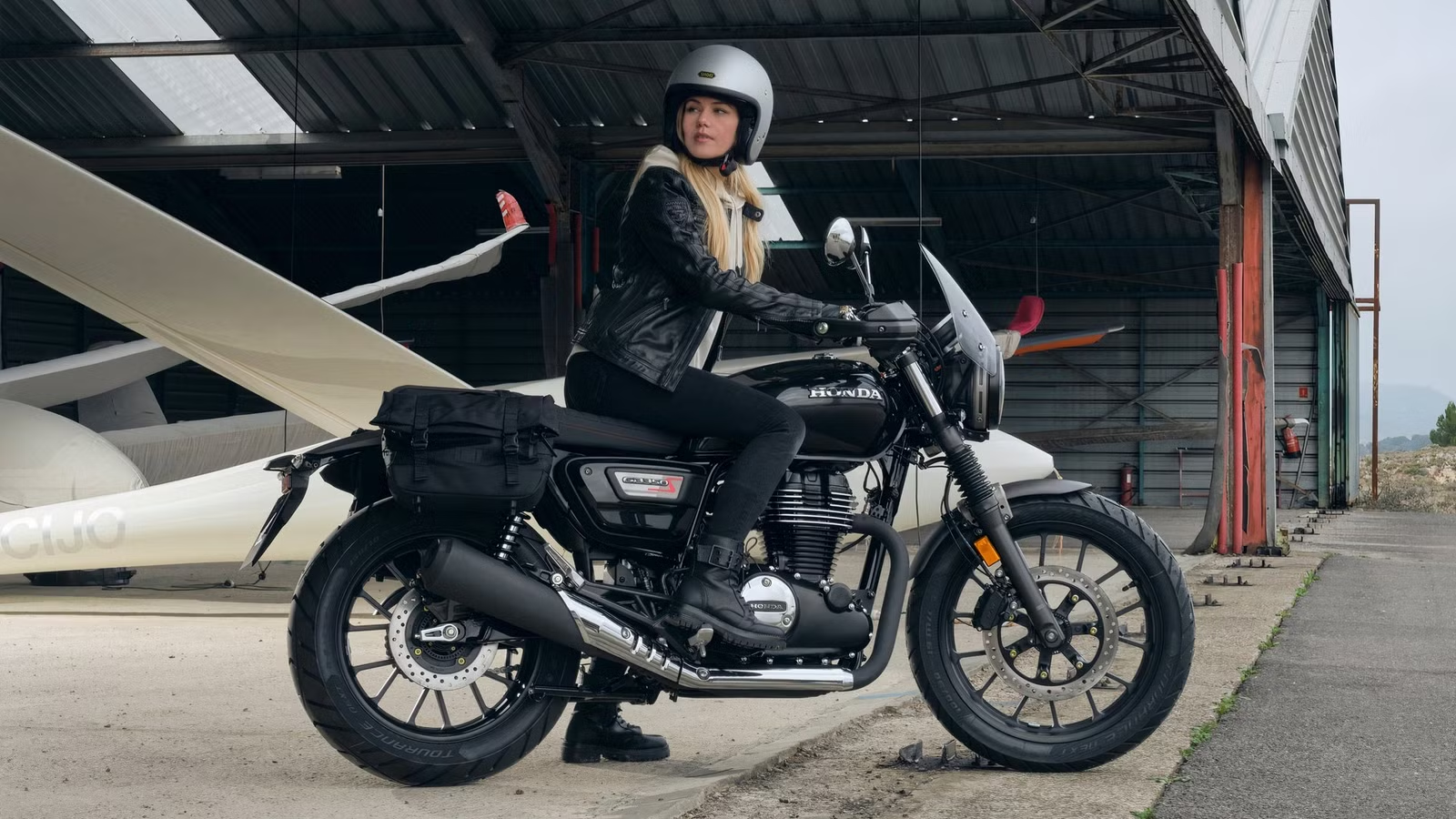
Neo-retro single-cylinder motorcycles are having a genuine moment, and the segment is more competitive than ever. Royal Enfield built its modern reputation on the Classic 350 and the Bullet 350, but Honda has entered the conversation with a machine that deserves serious attention: the Honda GB350S, a long-stroke thumper wrapped in old-school style with a distinctly modern edge.
This Honda is the Classic 350’s arch-rival and deploys a formula similar to the REs—an easy-going long-stroke engine with a classic design language and a comfortable riding stance. But the GB350S outclasses the Classic 350 with better technological features, cooler looks, and some pretty impressive accessories. We give you a detailed look at how this Honda woos classic-vibing riders with simple engineering, old-school charm, and a notable sporty side despite being less powerful than the Royal Enfield.
A Torquier Engine
Honda GB350S Torque: 21.39 LB-FT (Classic 350 Torque: 19.9 LB-FT)
The classic-vibing Honda has an air-cooled single very similar in displacement to the Royal Enfield Classic 350. However, the GB350S has a slightly smaller bore and longer stroke. This translates to a bump in torque, the peak of which also arrives early at 3,000 RPM—compared to the Classic 350’s 4,000 RPM. The power difference is marginal, but the Honda reaches its peak output at 5,500 RPM versus the RE’s 6,100 RPM. Put it all together and the GB350S has a clear edge in relaxed urban rideability.
Honda GB350S vs. Royal Enfield Classic 350: Engine & Transmission Specs
 47 autotech Honda GB350S |
Royal Enfield Classic 350 |
|
|
Engine Configuration |
Single-Cylinder; Air-Cooled |
Single-Cylinder; Air-Cooled |
|
Engine Displacement |
348cc |
349cc |
|
Bore X Stroke |
2.755X3.563 in. (70X90.5 mm) |
2.834X3.378 in. (72X85.8 mm) |
|
Compression Ratio |
9.5:1 |
9.5:1 |
|
Power |
20.78 HP |
20.5 HP |
|
Gearbox |
5-Speed |
5-Speed |
A Nimbler Riding Experience

Another major factor that gives the Honda GB350S an edge over the Royal Enfield Classic is its notably lower curb weight, which greatly elevates the beginner-friendly character of this machine. The seat height is marginally lower, too, making it a Japanese classic roadster that welcomes shorter riders. Dimensionally, the GB350S also features a longer wheelbase, which should keep it more planted at higher speeds.
Slightly Modern Underpinnings

The Honda GB350S and Classic 350 share similar suspension setups. Both use telescopic forks and dual shock absorbers, with little adjustability for fine-tuning. The key differences lie in the wheels and brakes. On the braking front, the Honda has a larger front disc while the RE runs a larger rear disc; both use a similar single twin-piston front and single-piston rear caliper layout. Given the Honda’s weight advantage, it should shed speed considerably faster. Dual-channel ABS is standard on the GB350S but is only available on top-tier variants of the Classic 350.
Alloy Wheels And Tubeless Tires Up The Ante

Wheels and tires are departments in which Honda wins decisively. The GB350S is the sportier, more modern choice here, rolling on alloy wheels shod with tubeless Metzeler tires at both ends. The rear tire is also wider than the Royal Enfield’s, adding a sporty drama to the Honda’s stance.
The Classic 350, on the other hand, comes with spoked wheels and tubed tires on most models. Only two variants get alloy wheels and tubeless tires—a setup that feels increasingly outdated. Not to mention the headache that follows when a tubed tire goes flat on the road.
A Bigger Fuel Tank

The Honda GB350S cleverly hides a larger fuel tank within its classic framework—even though the Royal Enfield looks bulkier when the two are placed side by side. While the capacity bump is marginal, it makes a real difference in riding range and touring capability, as discussed below.
More Touring Friendly

The larger fuel tank helps offset the comparable fuel economy figures the GB350S returns against the Classic 350, translating to a notably better riding range of up to 354 miles—roughly 50 miles more than the Royal Enfield. Add in the lower seat height and a relaxed rider triangle, and the GB350S becomes a motorcycle you can comfortably spend all day on.
Superior Technology Features

Don’t be fooled by the classic looks: the GB350S is genuinely modern where it counts. It’s not Ducati Panigale-level loaded, but it offers considerably more than the Royal Enfield Classic 350. The instrument cluster strikes a balanced combination of old-school and modern elements—an analog speedometer paired with a compact LCD screen that concisely displays fuel consumption, distance to empty, and an ECO indicator. Traction control is standard, and Honda’s Emergency Stop System (ESS) automatically flashes the hazard lights under hard braking to warn trailing traffic.
Honda GB350S Features That The Royal Enfield Doesn’t Get:
- LED lighting
- Auto-cancel turn signals
- Slip-and-assist clutch
- A cleaner and more modern instrument cluster
- Traction Control
- Optional Smartphone connectivity
- Honda Emergency Stop System (ESS)
Way More Accessories On Offer

The sheer number of accessories Honda offers for the GB350S is impressive. Royal Enfield has a solid catalog of its own, but Honda wins this round. To keep the choices from becoming overwhelming, Honda bundles accessories into curated packs—Style and Travel—alongside individual items. Notable comfort and touring-focused add-ons include heated grips and a rear seat bag that offers up to 22 liters of storage space.
Cooler-Looking Neo-Retro Motorcycle

Honda has beautifully fused classic design with a desirable sporty touch on the GB350S. The Royal Enfield Classic 350, by contrast, is proper old-school—right down to its bare-bones instrument cluster and spoked tubed wheels. The GB350S instantly projects a youthful vibe with full LED lighting, an upswept exhaust, and a sharp alloy rim design, all of which we find more appealing. The Honda is offered in three color options (Pearl Deep Mud Gray, Gunmetal Black Metallic, and Puco Blue), though, which is considerably fewer than the RE’s nine livery choices.
Notable Design Features That Make It Cooler Than The Royal Enfield:
- Sportier rear quarter section with a chunkier tire and an upswept rear fender and exhaust design
- LED lighting all around adds more sophistication.
- The blacked-out engine with just the right amount of chrome treatment looks sporty.
- “Y” shaped seven-spoke alloy wheels with tubeless tires are cooler-looking and easy to repair when punctured.
Sources: Honda Powersports, Royal Enfield

Related posts


Latest Post


No Comments