
How BMW cut the X5’s emissions by 40% – before turning a wheel
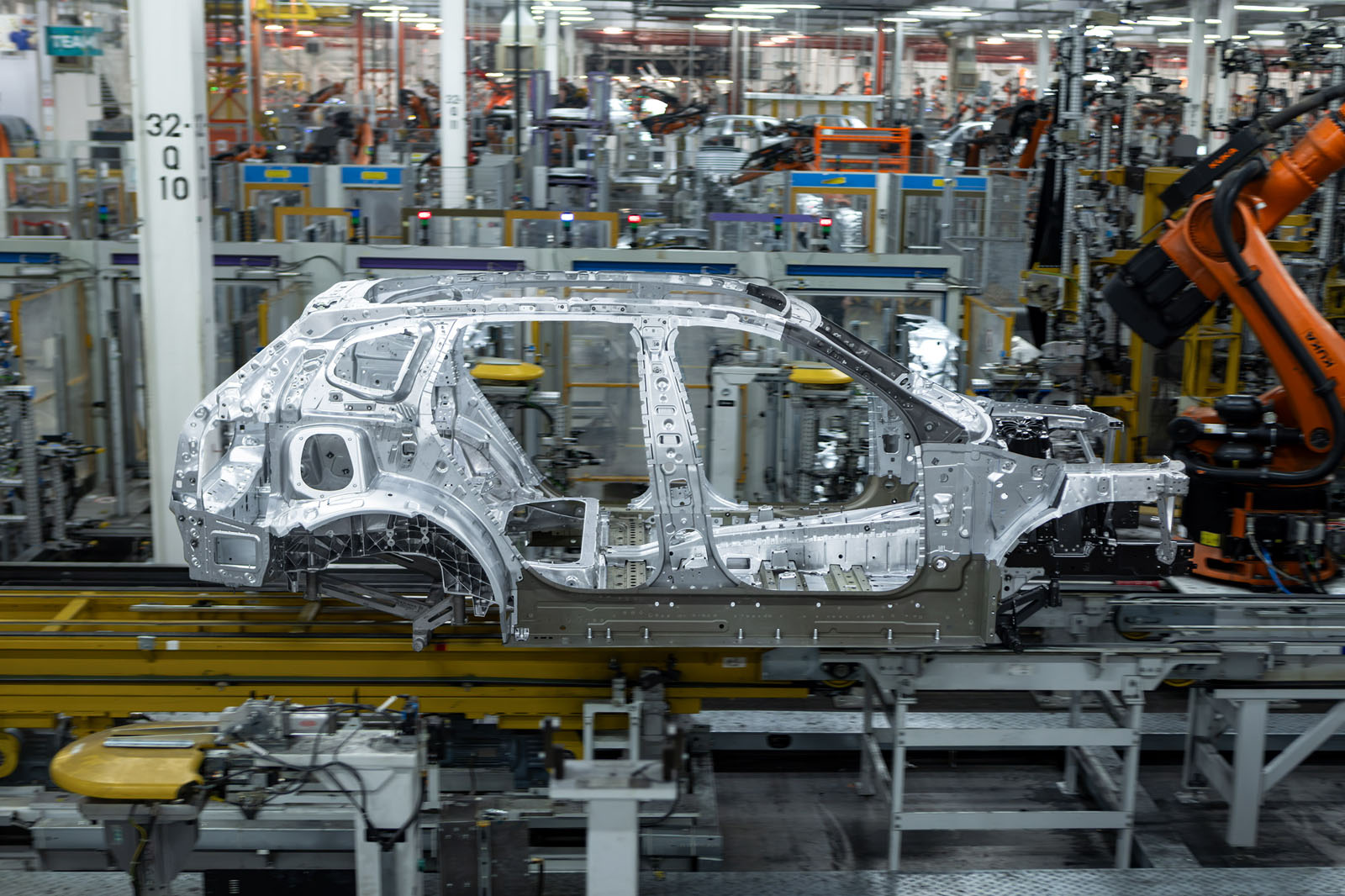
Making cars greener involves a lot more than reducing tailpipe emissions or fashioning seat covers from recycled plastic bottles.
It spans the whole gamut of environmental implications in manufacturing, use and end-of-life disposal.

Putting a figure on a car’s CO2 footprint is a huge task, and for the past couple of decades considerable brain power has been expended on figuring out the cradle-to-grave CO2 impact of vehicles and powertrains.
The results now lie in Life Cycle Analysis databases that make it easier to put figures on a new car’s environmental impact.
BMW has done it with the new X5, explaining how decarbonising the whole production process, including suppliers of parts that make a car up, is reducing CO2 emissions.

The X5’s carbon footprint, validated by the German Technical Inspection Association, won’t be published until the car is officially launched, but BMW puts the impact of its efforts to reduce CO2 equivalent (CO2e) emissions during the product development process at around 40%.
Around half of the steel used in the X5’s body is electric arc furnace steel, which includes a high proportion of recycled material and is produced using renewable energy. Secondary materials are also widely used throughout the rest of the X5’s structure and interior.
Heavy-duty items such as aluminium components including wheel rims, wheel supports, rear axle supports and brake calipers are all manufactured using renewable energy for both electrolysis and production.
Thirty-five per cent of the aluminium used in the doors is either from external recycling sources or waste from the press shop being fed back into the process (known as ‘closed loop’).
The yarn used to make the cabin’s headliner material is 100% recycled polyethylene terephthalate (PET), typically from plastic bottles. Overall, around one-third of an iX5 60 xDrive is made from secondary raw materials – equivalent to 940kg of its mass.
Battery recycling has been around for some time, and in the early days it was limited to reuse of the materials in basic components such as steel casings. Today things have moved on, and the active materials are recovered and reused as well. BMW’s Gen6 battery includes a high proportion of secondary materials in the cobalt, lithium and nickel content.
Renewable energy is used in the production of anode and cathode materials and in the cell manufacturing.
BMW says that compared with the Gen5 battery used in the iX, CO2e emissions have been reduced by around 28% per watt-hour of battery capacity.
The carbon footprint reduction of the new model will continue during the ‘use phase’ of its life.
Depending on a few obvious variables, such as drivetrain variant, annual mileage and source of electricity used for charging, BMW estimates that a new iX5 60 xDrive should achieve a CO2e advantage over a comparable combustion engine after around one to two years of use.

Related posts




Latest Post


No Comments