
Ford’s Gas And Hybrid Trucks Are Covering A $1.1 Billion EV Hole, And That’s Reshaping What Ford Builds Next
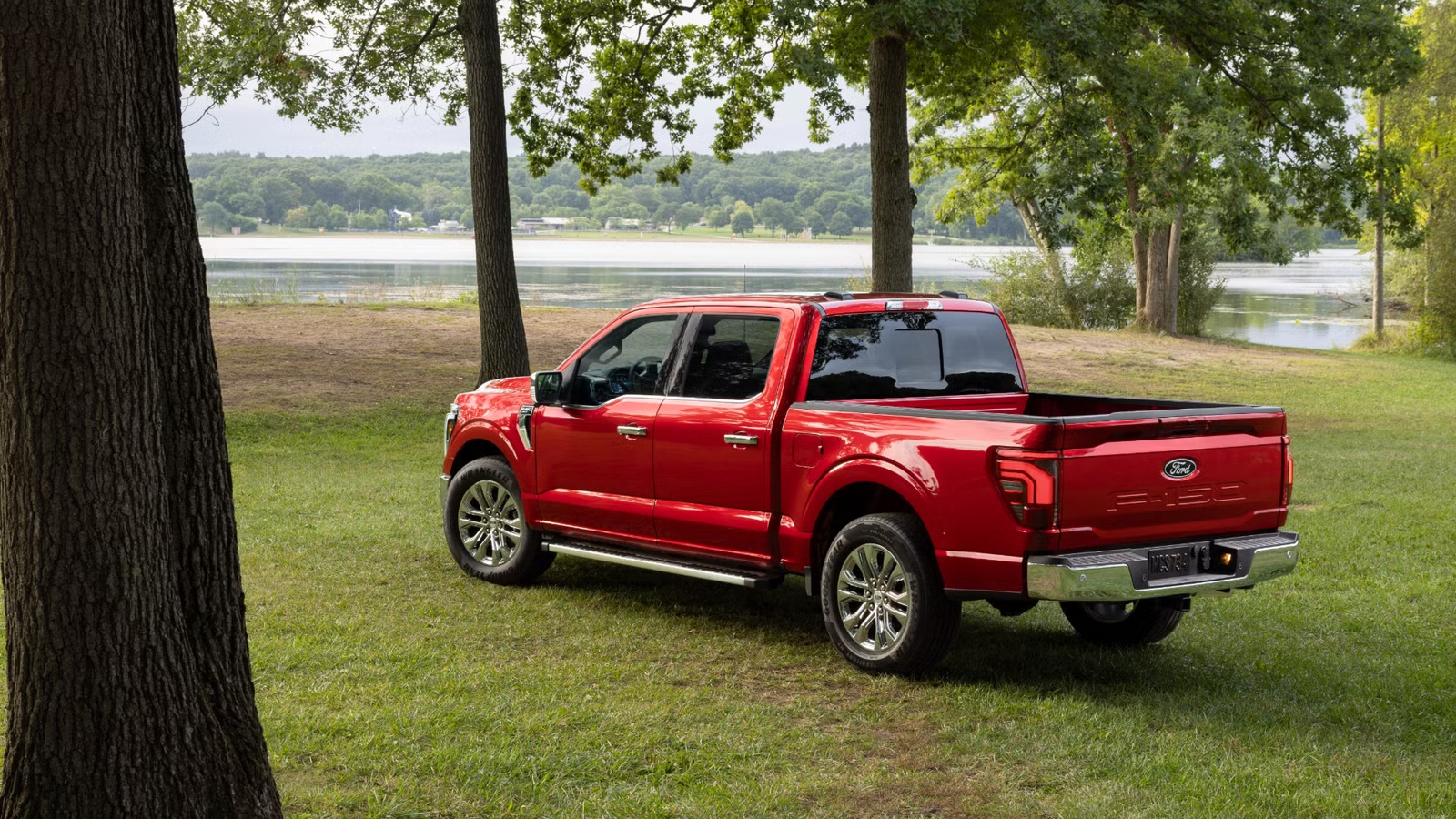
Ford posted $2 billion in net income for the third quarter of 2026, but the number that actually explains where the company is headed is a different one: the $1.1 billion loss racked up by its Model e electric vehicle division. Ford Pro, the commercial truck and fleet business, generated $1.7 billion in EBIT on its own last quarter, which means gas and hybrid trucks aren’t just selling well. They’re effectively bankrolling Ford’s entire EV program.

That gap matters for anyone shopping an F-150 or Super Duty right now, because it tells you where Ford’s near-term product bets are landing. Expect more hybrid variants, a slower EV rollout, and continued investment in refining combustion trucks rather than rushing electrification. Ford isn’t retreating from EVs, but it’s letting the truck business set the pace.
F-150 Demand Is Holding Even With Gas Prices Up
Gas prices have stayed elevated, and Ford buyers haven’t flinched. F-Series held the highest retail market share among full-line truck brands this quarter, and F-150 inventory sat at just 49 retail days of supply at quarter’s end, below Ford’s own 55-to-65-day target range. Ford’s finance chief said directly on the earnings call that consumers haven’t shied away from buying pickups despite pump prices, which is a notable signal given how often high gas prices get blamed for softening truck demand.

Ford does have some production downtime planned next year while plants retool for the updated F-150, but extra Super Duty output from the Oakville plant is expected to cover most of that gap. An all-new F-150 is coming in 2028, and the truck lineup’s continued strength is what’s funding the company’s ability to get there.
Ford Pro’s $1.7 Billion Is Covering The EV Bill

Ford Pro, the division built around commercial trucks and fleet sales, generated $1.7 billion in EBIT in the quarter, even with higher commodity costs and temporary production expenses tied to Super Duty output at Oakville Assembly. That profit is doing real work elsewhere in the company. Model e, which covers fully electric passenger vehicles like the Mustang Mach-E and the Puma Gen-E, lost $1.1 billion in the same stretch on revenue that fell to $1.2 billion, down sharply from a year earlier as EV deliveries dropped to roughly 34,000 units.
That loss is actually 25% narrower than the same quarter last year, so Ford is trimming the bleeding, not accelerating it. But the division still isn’t close to break-even, and Ford has already said it expects Model e losses to total around $4 billion for the full year.
Why Ford Is Leaning On Hybrids And Delaying EV Profitability To 2029

Ford’s answer to the EV gap isn’t to slow down electrification entirely, it’s to change the approach. The company is developing a new Universal EV platform built for lower-cost manufacturing, with the $28,350 Fathom pickup as its first product. Ford is targeting 2029 for that platform to make Model e profitable, a multi-year runway that gives the truck business time to keep carrying the load.
In the meantime, the practical result for buyers is more hybrid variants across the F-Series and Super Duty lineup, continued refinement of gas powertrains, and EV launches that arrive on a longer timeline than earlier roadmaps suggested. Ford is betting that keeping its combustion and hybrid trucks strong now is what buys the runway to get EVs right later, rather than rushing a platform that isn’t ready to turn a profit.

Related posts




Latest Post


No Comments