
Enjoy Driving? This FamilyFriendly Ford SUV Could Be Exactly What You’re Looking For
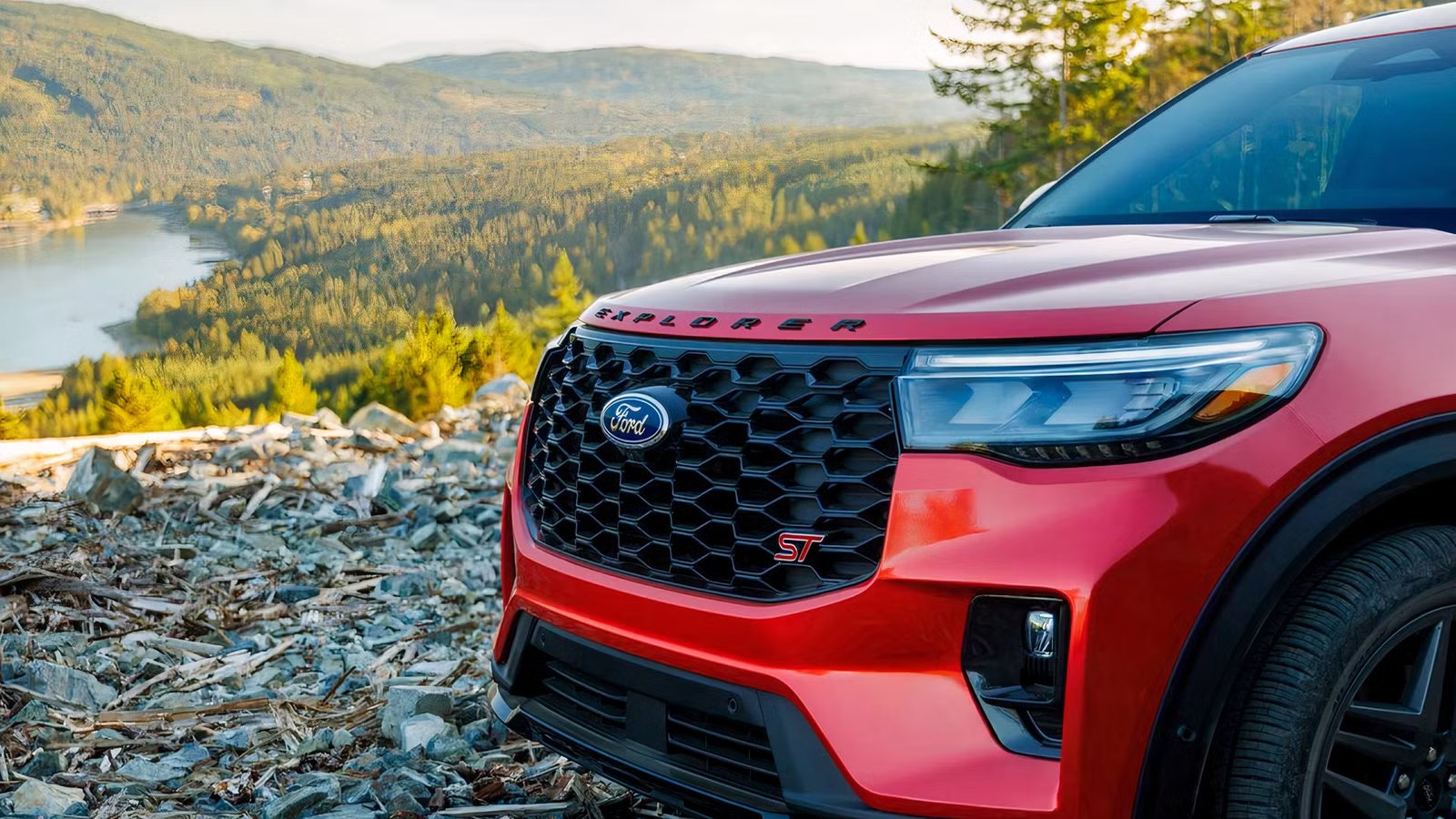
Your family SUV needs a third row, but you are the one who has to drive the thing every day. Buying enough seats should not require surrendering to vague steering, reluctant acceleration, and a chassis that treats every curve like an unexpected scheduling conflict. The Ford Explorer offers a potentially appealing compromise. Its RWD-based architecture, turbocharged engines, and available ST performance trim give you reasons to care about the drive, though none of them excuse a cramped cabin or an uncomfortable ride. The question is whether its particular balance fits your family, rather than whether it can make a convincing performance brochure.
The Family SUV Purchase Does Not Have To End Your Interest In Driving
A Third Row Changes Your Shopping List, But Not Your Preferences

Driving enjoyment becomes harder to define when child seats and luggage enter the equation. You probably need predictable responses, confident passing power, and reassuring body control more often than you need a spectacular launch. That distinction gives the Explorer a sensible opening. Its appeal should come from making routine journeys satisfying without demanding that your passengers tolerate a rolling tribute to your abandoned sports-car plans.
Your Daily Commute Matters As Much As The Annual Vacation
Shopping around for the biggest trip of the year can leave you driving an unnecessarily cumbersome vehicle for the other 51 weeks. Shopping entirely around your favorite back road can produce an equally expensive mistake. The Explorer deserves consideration between those extremes. However, its case becomes stronger if you occasionally use the third row and care about the daily driving experience; it warrants closer scrutiny if every seat stays occupied.
The Explorer’s RWD-Based Layout Gives Its Driving Argument A Foundation
The Chassis Deserves Attention Before The Horsepower Figures


The Explorer positions its engine longitudinally and uses an RWD-based platform, with available AWD depending on configuration. That separates its underlying layout from the transverse-engine, FWD-based arrangement common among mainstream family SUVs. The configuration creates opportunities for balanced handling, but the engineering diagram does not finish the job. Suspension tuning, tires, steering calibration, and weight still determine whether an SUV feels composed or simply advertises the right ingredients.
Road tests support a qualified assessment. Cars.com praised the refreshed Explorer’s handling, particularly in ST form, while Car and Driver described the regular model’s responses as composed rather than especially eager. The platform supplies potential; the trim determines how strongly you feel it.
The Standard Turbocharged Engine Has To Make Its Own Case

The familiar 2.3-liter turbocharged four-cylinder produces 300 horsepower and 310 pound-feet of torque, paired with a 10-speed automatic. Ford bases its advertised output ratings on premium fuel, a detail worth remembering when comparing specifications.
Those figures give the standard engine a credible starting point without making the ST mandatory. Before paying for the V6, assess how the four-cylinder responds when joining a highway, accelerating uphill, and passing with your usual passengers aboard. Also, judge the transmission under ordinary driving conditions. Prompt acceleration matters, but so does a smooth response when you ease away from a stop or change your mind halfway through a merge.
The Explorer ST Makes The Strongest Pitch To Your Enthusiast Side
Extra Power And Chassis Tuning Need To Deliver More Than A Badge

The ST adds a twin-turbocharged 3.0-liter V6, sport-tuned suspension, performance brakes, and transmission paddle shifters. Those changes give it a substantive identity beyond black trim and an optimistic badge. The model-year distinction matters here. Ford’s current U.S. listing rates the 2026 ST at 385 horsepower and 415 pound-feet of torque, while the 2025 ST tested by MotorTrend carried a 400-horsepower rating.
That 2025 AWD test vehicle reached 60 mph in 5.2 seconds and completed the quarter-mile in 13.8 seconds. Those results establish the tested model’s pace; they should not be presented as measured performance for the differently rated 2026 version. More persuasive than acceleration alone is the combination of power, braking, and chassis control that MotorTrend praised. The ST’s appeal is that the hardware works toward a coherent driving experience, rather than leaving a powerful engine to drag an indifferent family hauler around.
Your Passengers Get A Vote On The Sportier Setup

The ST’s firmer ride is part of the transaction. Capital One’s test of the refreshed 2025 model identified abrupt motions during certain disturbances and noted the absence of adaptive dampers to mitigate the compromise. That does not make the ST universally uncomfortable. AutoTrader.ca found its ride firm without becoming harsh and praised its suppression of wind and road noise, while noting that the engine remained more audible than in some competitors.
The distinction matters: extra engine sound, tire noise, and sharp impacts are different complaints. Test the actual wheel-and-tire combination you intend to buy, and spend time in the second row before deciding that your enthusiasm will be contagious. Add a replacement-tire quote to your comparison, because the sporty setup should still make financial sense after the original rubber wears out.
Family Usefulness Is Where The Explorer Has To Earn The Recommendation
Cargo Space And Cabin Controls Shape Everyday Satisfaction

The Explorer provides 16.3 cubic feet of cargo space behind its third row. Maximum capacity reaches 85.3 cubic feet in the ST and 85.8 cubic feet in the Active and ST-Line models, but those larger figures come at the expense of passenger space. That is why your stroller matters more than the largest number on the specification sheet. Load it with the third row raised, then consider what remains for groceries, backpacks, or the luggage your passengers insist is essential.
The refreshed cabin’s 13.2-inch touchscreen supports wireless Apple CarPlay and Android Auto. However, frequently used climate functions involve the display, making an everyday usability check more valuable than admiring the screen while parked.
The Second And Third Rows Need More Than A Seat Count

The 2026 Explorer ST seats six with standard second-row captain’s chairs or seven with the available bench. Ford lists 37 inches of second-row legroom and 31.8 inches in the third row, which provides a more useful starting point than a photograph of three smiling rows. Those measurements call for an honest seating test. A third row that works for younger children on short journeys may become a harder sell when taller passengers join a long vacation.
The Right Explorer Depends On How Much Driving Enjoyment You Will Actually Use
The Explorer’s Driving Appeal Has To Survive A Family-SUV Comparison

Use the Toyota Grand Highlander as a space benchmark rather than turning your search into a horsepower contest. Its 20.6 cubic feet behind the third row exceeds the Explorer’s 16.3 by 4.3 cubic feet, a difference worth testing with your own luggage. Keep equipment and transaction prices comparable, so an appealing engine does not distract you from an unsuitable configuration.
Buy The Version That Makes Both The Commute And The School Run Work
A standard-engine Explorer makes sense if you want responsive performance without placing the ST’s firmer tuning at the center of family life. The ST becomes more convincing when you actively value its additional power and chassis upgrades, and your passengers find its ride acceptable.
If your third row regularly carries taller passengers or your luggage already strains the available space, another SUV may serve you better. No amount of throttle response creates extra room behind an occupied seat. The Explorer could be the right family SUV because it gives your driving preferences a legitimate place in the decision. Just make sure every passenger fits before letting the engine cast the deciding vote.
Sources: Ford, Cars.com, Car and Driver, MotorTrend, AutoTrader, Toyota, Capital One

Related posts


Latest Post


No Comments