
Cupra Formentor VZ5: Five-pot fury has never been so practical
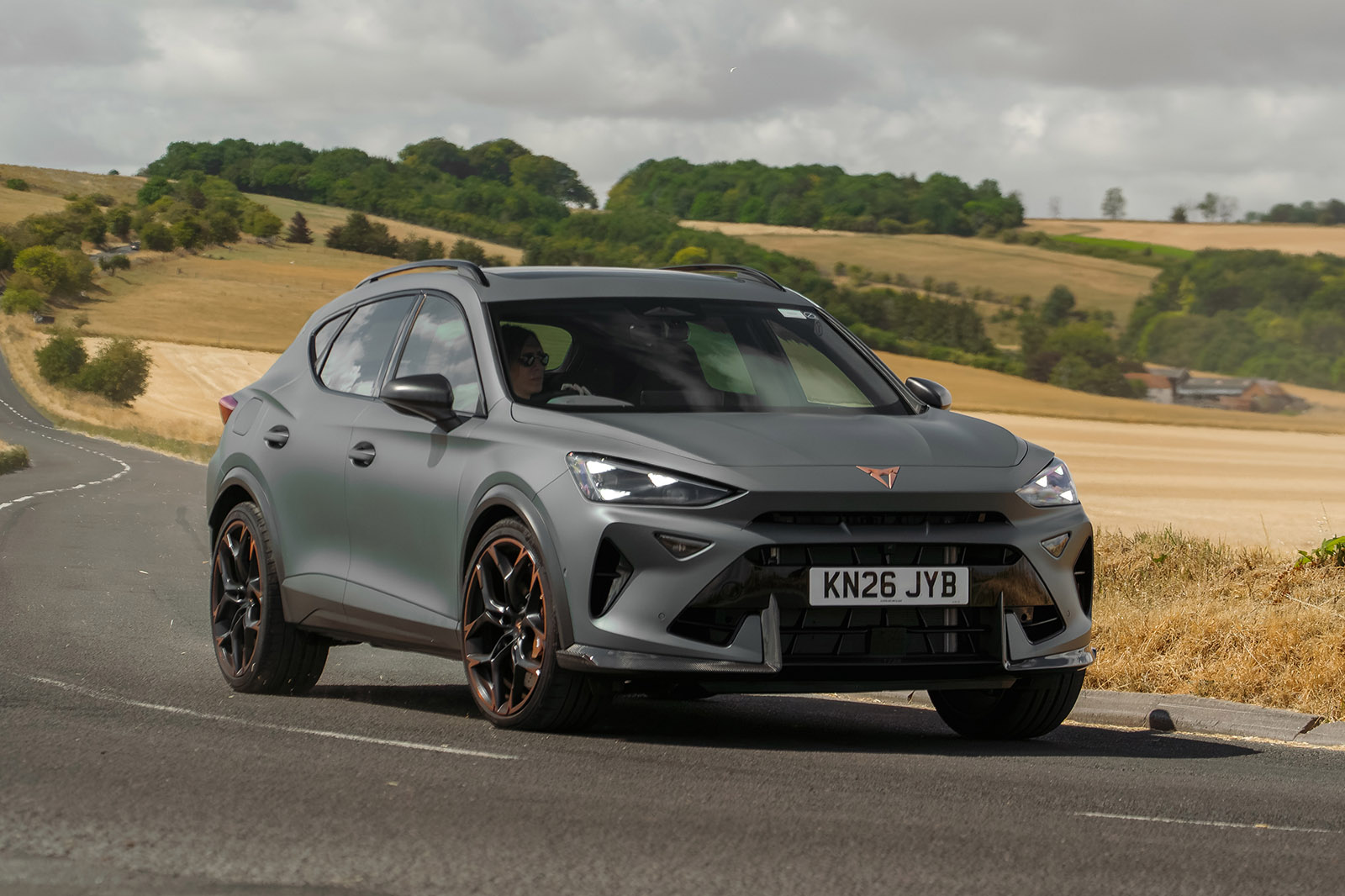
We said in our Audi RS3 road test last year that this five-cylinder unit may be one of the last great mainstream engines, and that remains true. Its baleful howl is an event any and every time you evoke it. Sure, it’s not dissimilar to the sound of Volvo T5s and Audi Quattros, but it’s not something you get with any other current production engine today. You have to look to a Porsche GT3 to find a modern powerplant that sings as much as the EA855.
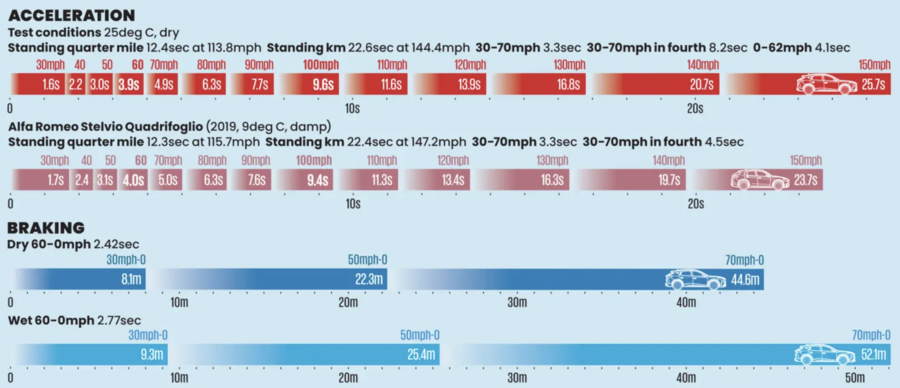
Its power delivery is remarkably old-school too, and a far cry from today’s typical hybridised performance engine. It wants at least 3000rpm on the tacho before it really starts pulling. Note the leisurely in-gear acceleration times in the lower-speed increments, and the big disparity between the outright 30-70mph time and the one in fourth gear.

It adds a welcome bit of texture and character, and if you are after full performance it can be easily accessed by simply gearing down. Helpfully, it doesn’t suffer too much from actual turbo lag; that is to say, throttle response is fairly immediate.
Get this engine on boost, and the performance it conjures is mighty. Frustratingly, our car’s launch control was slightly unreliable. Normally, engaging Cupra mode, setting the ESC to Sport and putting your left foot on the brake while flooring the throttle should prime it, but our car wasn’t always willing to dial up enough revs. In those cases it bogged away from the line and left about a second on the table. With everything working correctly, though, the systems make sure there’s just a minute amount of wheelspin and the dual-clutch gearbox rifles efficiently through the gears.
The result is that this transverse-engined crossover can stay ahead of an Alfa Romeo Stelvio Quadrifoglio up to 80mph (although that car was tested in the damp). Thereafter, the Alfa’s 503bhp V6 proves mightier, but only by a little.

On the road, the five-cylinder is always an event. The exhaust noise is relatively restrained even in the spicier modes, which we think is appropriate, since the boy racers will probably put an aftermarket exhaust on it anyway.
The seven-speed DSG dual-clutch automatic feels its age, though. It’s effective at maximum attack and responds well to the paddles, but in daily use it shunts, clunks and lurches when you don’t give it enough time to think. We couldn’t help imagining this car with a six-speed manual, even if that would be a niche proposition.
It’s a similar story with the brakes, which hold up well during track use, with short stopping distances both in the dry and the wet and no fade. However, the pedal is frustratingly inconsistent: there’s some dead travel at the top, after which the brakes grab quite suddenly, and it’s hard to predict when exactly they will engage. In stop-start traffic, you simply have to accept that perfectly smooth stops will be the exception rather than the rule.

Related posts

Latest Post


No Comments