
Connectivity conundrum: Do you really own a software-driven car?
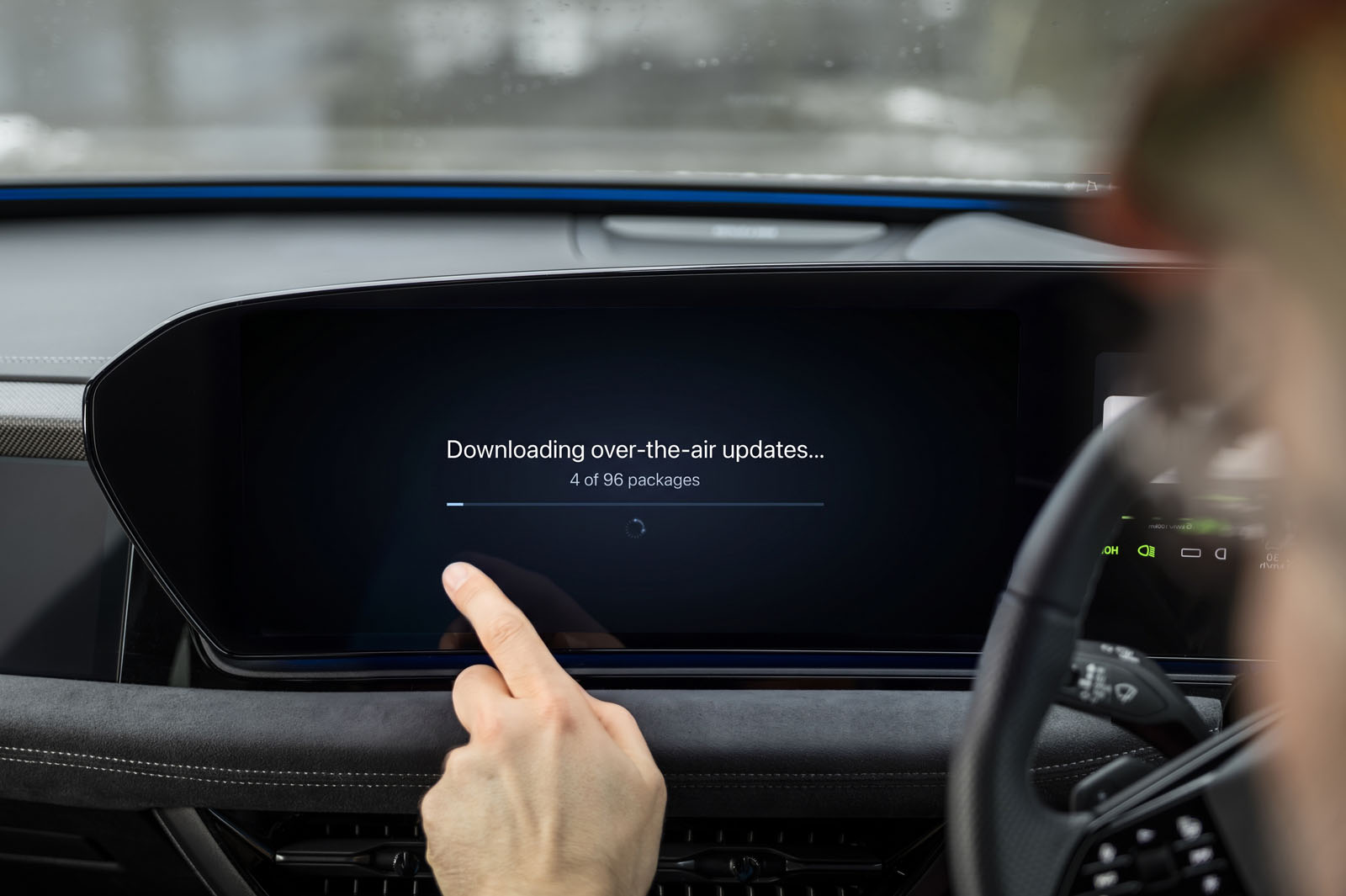
Over-the-air updates mean the car you own might change in ways you didn’t ask for

A radio station in Cumbria broadcasts a time signal 24 hours a day, seven days a week.
The ‘Time from NPL’ (the National Physical Laboratory) broadcasts a signal derived from three atomic clocks at the transmission site at Anthorn. It’s the UK’s national time reference, and has been broadcast from various locations in a similar form since 1950, though the UK first began broadcasting a reference time as long ago as 1927.
It’s receivable throughout the UK and most of northern Europe, but there are other time broadcasts from elsewhere too. In the US a radio station called WWV, now in Colorado and with a sister station in Hawaii, has been broadcasting the time since 1945. (It also broadcasts a tone at 440Hz, the A above middle C in modern musical pitch, which it started doing at the request of American musical organisations.)

At source, WWV’s time is accurate to within 0.001 milliseconds of Coordinated Universal Time (UTC), which obviously gets a little delayed the farther away from source you are but is ultimately likely to be no more than a few milliseconds off throughout North America.
The signals are used by all kinds of organisations and companies and products. I have a Casio G-Shock watch that receives its time from NPL, or elsewhere if I’m travelling (there are also transmitters in Japan, Germany and China), which it synchronises with late at night, daily. So it always tells the right time, and because it’s also solar-powered, I can effectively forget about maintaining it. Because fundamentally I’m lazy, that makes it one of the very best things I own. I wear it all the time.
It is, perhaps, a bit scruffy, though, so I thought I should get one that’s tidier but just as convenient, so I bought a shiny metal G-Shock that I thought would look more acceptable at work dinners or shown on video.

Fark. It turns out, and I didn’t read the bumf well enough beforehand so this is entirely my fault, that it doesn’t update itself automatically from a quaint radio signal that can trace its history back 100 years. Instead, it wants to pair with an app on my phone, via Bluetooth, a miserably unromantic way of the thing on my wrist keeping its accuracy. So today, like most days, I’m wearing the plastic one.
I’ve found, in other words, the exact level of technology I’m comfortable with: I can’t be bothered to wind one; I don’t want to pair one.
And I have a similar feeling about where I’d like my cars to be. I’m beginning to suspect that I’m not alone. Which could be problematic.
Today, if you want to buy a watch, you can get one that you have to wind yourself, all the way through to varying degrees of smart that will tell you if you need to have a lie down. Whereas if you buy a new car, with the odd exception, you’ll get no choice about not just how it arrives but possibly how it acts in future too.
Most new cars you can buy will update their software during your time with them. According to BMW executives, this could happen as often as every three months in its cars, because they think that spamming software updates more frequently than that would be too annoying. But such updates could extend to even changing the layout of the touchscreen and its apps, should a company think that it finds a better way of doing things, owing to customer feedback.
So, who knows, perhaps the presentation of the climate control page could adjust after an update into a form that the owner didn’t sign up for when they bought the car. An owner wouldn’t have to allow every piece of software to download, but if they did allow it – because there were crucial changes that they couldn’t or shouldn’t ignore – and didn’t like the changes, it’s unlikely they would be able to change it back to the previous one again.
Car makers might say that this is not just normal, but critical; that there are so many components to a car, the most regulated and complicated consumer product in the world, that keeping it in optimum operating condition is essential. Which might be correct. But I can’t shake the feeling that we don’t quite have ownership of something we’ve bought. And that the choice of interference in our lives is being ever reduced.

Related posts





Latest Post


No Comments