
Aston Martin Just Told Enthusiasts The V12 Isn’t Going Anywhere, Even As Rivals Quietly Retire Theirs
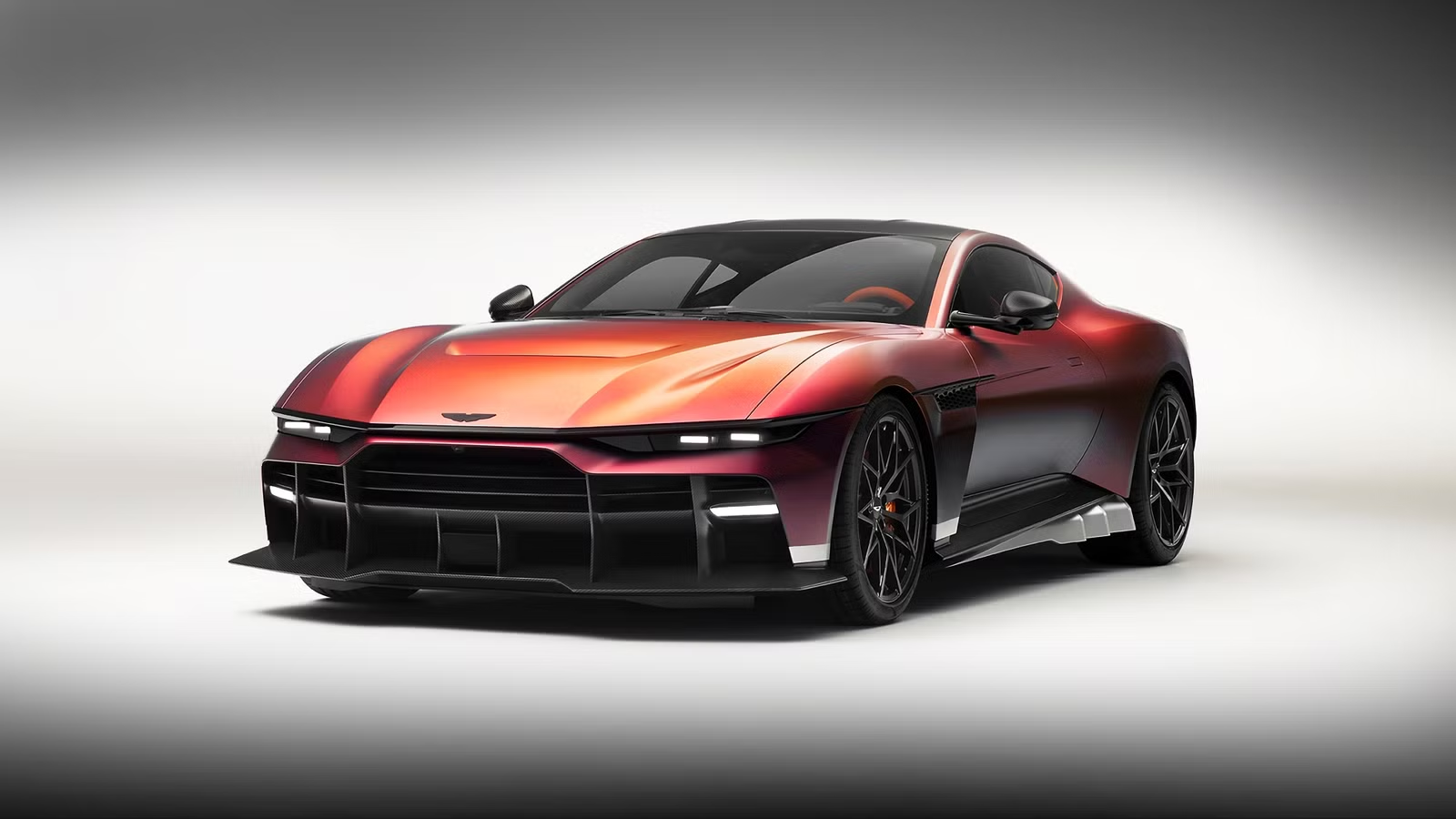
Aston Martin CEO Adrian Hallmark has told Autocar that the brand’s V8 and V12 engines have a roadmap to stay in production through at least 2035, even as the company’s own electric vehicle plans slip further into the future. Speaking at the launch of Aston’s new Q London showroom in Mayfair, Hallmark said there’s no fixed date for the brand’s first EV anymore, only a window: 2033, maybe 2035, but “not 2031.”

That’s a notable thing to say out loud in October 2026. Lamborghini, Ferrari, and Porsche have all been racing to electrify, hedging combustion lineups with hybrid systems and binding themselves to aggressive EV timelines. Aston Martin, by contrast, is telling the one group of buyers who care most about naturally aspirated and twin-turbo engines that the V8 and V12 aren’t going anywhere soon. Whether that’s conviction or a stalling tactic depends on which part of Hallmark’s own explanation you believe.
Hallmark Blames Lawmakers And Customers For The Delay
Aston Martin’s EV timeline has moved more times than most automakers’ entire model cycles. The brand originally promised its first electric car by the end of 2025. That became 2027, then 2030 under Hallmark’s early leadership, and now it’s somewhere in a 2033-to-2035 window. “I’m not going to give an absolute date, because it’s imprecise,” Hallmark said. “It could be 2035, it might be 2033, but it’s in that three-year window. It’s not 2031.”

His explanation leans on two moving targets: legislation and demand. “We only need BEVs to be compliant for legislative reasons just before 2035,” he said, adding that both lawmakers and customers are “changing way faster than any car company can cope with.” Hallmark described Aston Martin as “not BEV deniers but BEV delayers,” which is as close as he gets to admitting the company is playing a waiting game rather than chasing a fixed destination.
The V8 And V12 Roadmap Is The Real Headline For Purists

For engine purists, the more interesting line in Hallmark’s interview wasn’t about the EV at all. “We have a roadmap to keep the bigger and smaller engines alive and compliant all the way through to the end of that period,” he said, referring to the V8 and V12 lasting through 2035. That’s a direct commitment at a moment when most rivals at Aston’s end of the market are treating big combustion engines as a countdown clock rather than a long-term plan.
Hallmark did leave room for hybridization, but drew a clear line at plug-ins: “probably not plug-in, because we don’t need it; we don’t need the 200 kg (440 lb) penalties.” That’s a meaningful distinction. It suggests Aston wants to keep engine character intact rather than bolt on the weight and complexity of a plug-in system just to hit emissions targets, which has been the compromise plenty of other luxury brands have made.
The Lucid Deal Is Still There, Just In No Rush

Aston Martin’s eventual EV won’t be built in isolation. The company has a technology agreement with Lucid, which also took a 3.7% stake in Aston Martin, and it continues working with longtime engine partner Mercedes-Benz on powertrains and electronics. But Hallmark framed the delay as an advantage rather than a problem: “Because we delayed, by the time we activate that deal, the technology that we will get is totally different to what we signed up the original contract for.”
That’s a generous read of a deal that’s effectively been sitting dormant while Aston’s EV launch date keeps sliding. Whether the technology genuinely improves with time or whether this is just a tidy way to explain away years of inaction is the real question hanging over the brand’s electrification strategy. Either way, for now, investment in Aston’s EV program remains limited to research rather than production tooling.
In a year when combustion holdouts are getting rarer by the quarter, Aston Martin choosing to say the quiet part out loud, that it would rather wait than rush, is the story here. Whether that’s the brand betting on its buyers still wanting the sound and feel of a big engine, or a company without a ready EV platform buying itself more runway, Hallmark’s words leave both readings open. For now, the V8 and V12 aren’t just surviving at Aston Martin. They’re the plan.

Related posts




Latest Post


No Comments