
The Used Motorcycle Features That Matter More To Beginners Than Experienced Riders
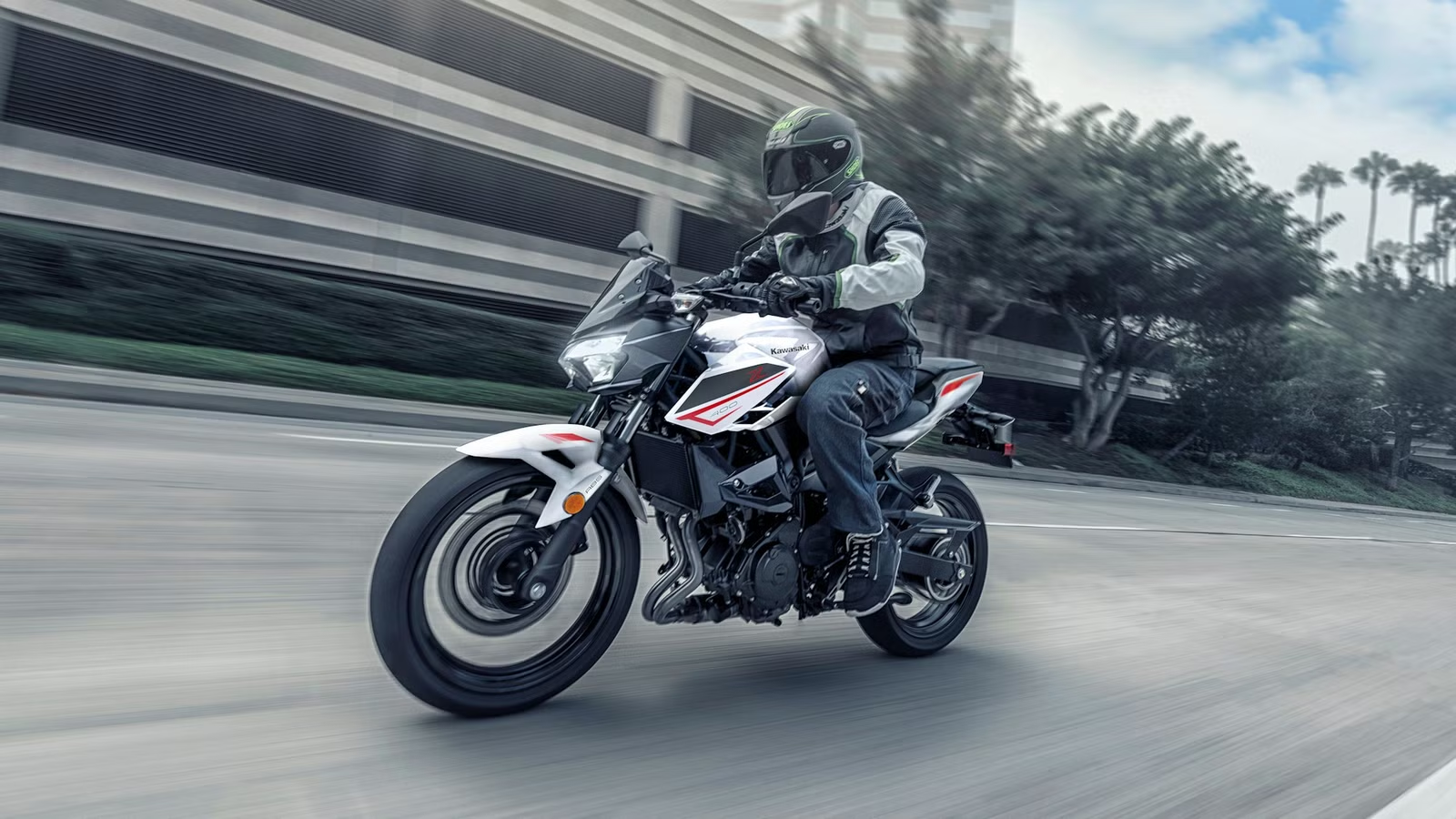
Riders looking to buy a used motorcycle have to consider many more factors than when buying a new bike. This is because years of use directly affect structural integrity, mechanical health, and safety. If you’re a beginner rider, focusing on factors like affordability, ease of riding, and maintenance can make owning a used motorcycle a breeze. Here, we expand on features that beginner riders should consider and add to their checklist, and why Japanese motorcycles almost always top the list.
6
Reliability

Reliability matters a lot for beginner riders because a dependable motorcycle lets them focus on building fundamental riding skills instead of managing mechanical issues. It reduces cognitive overload, builds riding confidence, and offers predictable behavior that makes owning a reliable used motorcycle easier. A reliable used motorcycle also helps avoid early burnout or fear. It shifts effort away from repairs and waiting for spare parts and toward riding and building skills that boost enthusiasm and ability.
A perfect example of a supremely reliable used motorcycle is the Kawasaki KLR650. A mix of mechanical simplicity, low-stress engineering, and massive global support make the KLR beginner-friendly. The KLR650’s functional-first character helps declutter the riding experience profoundly. Kawasaki also retains its core mechanical components from the first-generation 1980s model, which helps keep costs down and repairs simple and affordable. The current-gen KLR650 is powered by a workhorse 652 cc liquid-cooled engine that produces 40 horsepower and 39.1 pound-feet of torque.
5
No Break-In Necessary


This factor helps beginner riders avoid being overwhelmed by the technicalities of owning a new motorcycle. A well-kept used specimen will have its break-in period already completed by its first owner. This crucial phase dictates the motorcycle’s longevity. It is a critical mechanical settling phase that seasons the engine, transmission, and other moving components. The first 500 to 1,000 miles of a motorcycle require careful RPM management so that the piston rings seat well against the cylinder walls and the metal surfaces wear smoothly together.
This releases microscopic metal particles, which the first engine oil flush removes. The tires and brakes are also scrubbed in to improve grip and stopping power. With a used motorcycle, all of this is already taken care of, which helps new riders focus on riding skills. The break-in period varies by motorcycle class, but superior manufacturing tolerances in engine components are always a boon for new riders. As a result, Japanese used motorcycles, including daily-ridable sportbikes, are a great stress-free option.
4
Lower Used Prices

This is a no-brainer because new riders are usually on a tight budget. So, to make the most of their money, affordable used motorcycle options are a significant advantage. It helps riders avoid high dealer fees and the depreciation costs of owning a brand-new bike. It helps lower insurance costs too. New riders can budget for essential safety gear, which is vital in the early stages of motorcycling, as beginner mistakes, including tip-overs, are common.
Also, affordable, readily available spare parts make it easy to replace damaged components (mechanical and cosmetic) without burdening the rider. With depreciation in mind, new riders can enjoy a variety of used bikes as they evolve, including sportbikes, sport-tourers, cruisers, and naked bikes for under $5,000. As riders build up their skill set, they can enjoy examples like the BMW R 1200 GS, the Yamaha Royal Star Tour Deluxe, and even wicked-fast options like the Honda Interceptor 800.
3
Inexpensive Replacement Parts

Learning to ride often involves minor drops, tip-overs, and wear-and-tear mistakes. So, easy-to-source, affordable spare parts make owning a used motorcycle easier for new riders. Components like clutch levers, brake levers, bar ends, footpegs, and engine covers have the most impact on naked bikes. Getting these parts at low cost helps keep common early-stage issues from causing financial stress. This reduces psychological pressure and helps new riders put more money into safety gear.
Motorcycles like the Honda Grom, the Suzuki GSX-R series, and even many big-twin Harleys have vast aftermarket support owing to their popularity and customization potential. This also gives riders access to replacement parts at varying price points, helping them navigate the early stages of motorcycle riding with ease. Affordable replacement parts also help new riders have the confidence to get their hands dirty and learn basic maintenance without risking high-value assembly.
2
Clear Maintenance History

Choosing a used motorcycle with a clear maintenance history helps beginner riders avoid hidden neglect. It gives them a timeline for the crucial wear-and-tear components like brake pads and tires. A clear history of motorcycle issues and repairs also improves safety and reliability. Also, most beginner motorcycle owners aren’t yet familiar with what a healthy motorcycle looks like. They may take time to learn what a healthy engine sounds like, how smooth a transmission feels, or how crisply the brakes should respond.
A documented service record for a used motorcycle shows it was well cared for and helps newbies avoid guessing whether a weird sound is normal or a problem. While we often lean toward Japanese motorcycles for their stress-free reliability, a clear maintenance history can help new riders feel confident exploring a broader lineup, including American big-twin cruisers and even striking Italian models. Also, for long-discontinued motorcycles with a clear maintenance history, previous owners can connect new riders with their contacts for easier access to spare parts and service, which can otherwise be a challenge.
1
Recall History

We have saved the most critical check for last. Recall history matters because it helps novice riders without mechanical experience spot hidden safety flaws, including sudden component failures. While minor tip-over damage is financially forgiving on a used motorcycle, an unaddressed manufacturer defect can often become life-threatening if left unattended. Recalls include critical flaws hidden deep within the motorcycle, like faulty brake lines, cracking handlebar stem bolts, or defective fuel systems.
Contrary to popular belief, a used motorcycle with numerous addressed recalls is a good sign, as it shows the manufacturer’s effort to fix issues proactively. It is always wise to choose your first motorcycle from one such vocal manufacturer. Interestingly, most popular manufacturers have a specific component trend when it comes to recalls.
Yamaha is frequently recalled in high volumes for throttle position sensor issues. BMW is known for major campaigns involving the R 1200 GS and the K-series rear wheel flange torque check and electrical regulators. Kawasaki is noted for regulator-rectifier failures on the bigger Ninjas as well as minor footpeg clip issues. Honda has addressed numerous models with issues like starter relay sealants and fuel system components. Suzuki bikes are frequently tracked for master cylinder and camshaft wear issues. Triumph has managed widespread rectifier replacements on models like the Daytona 675 and the Street Triple.
Sources: Kawasaki, Honda, Yamaha, Suzuki, Triumph Motorcycles, Harley-Davidson, and Kelley Blue Books

Related posts


Latest Post


No Comments