
This Ordinary Car Is Hiding An Engine It Has No Business Having
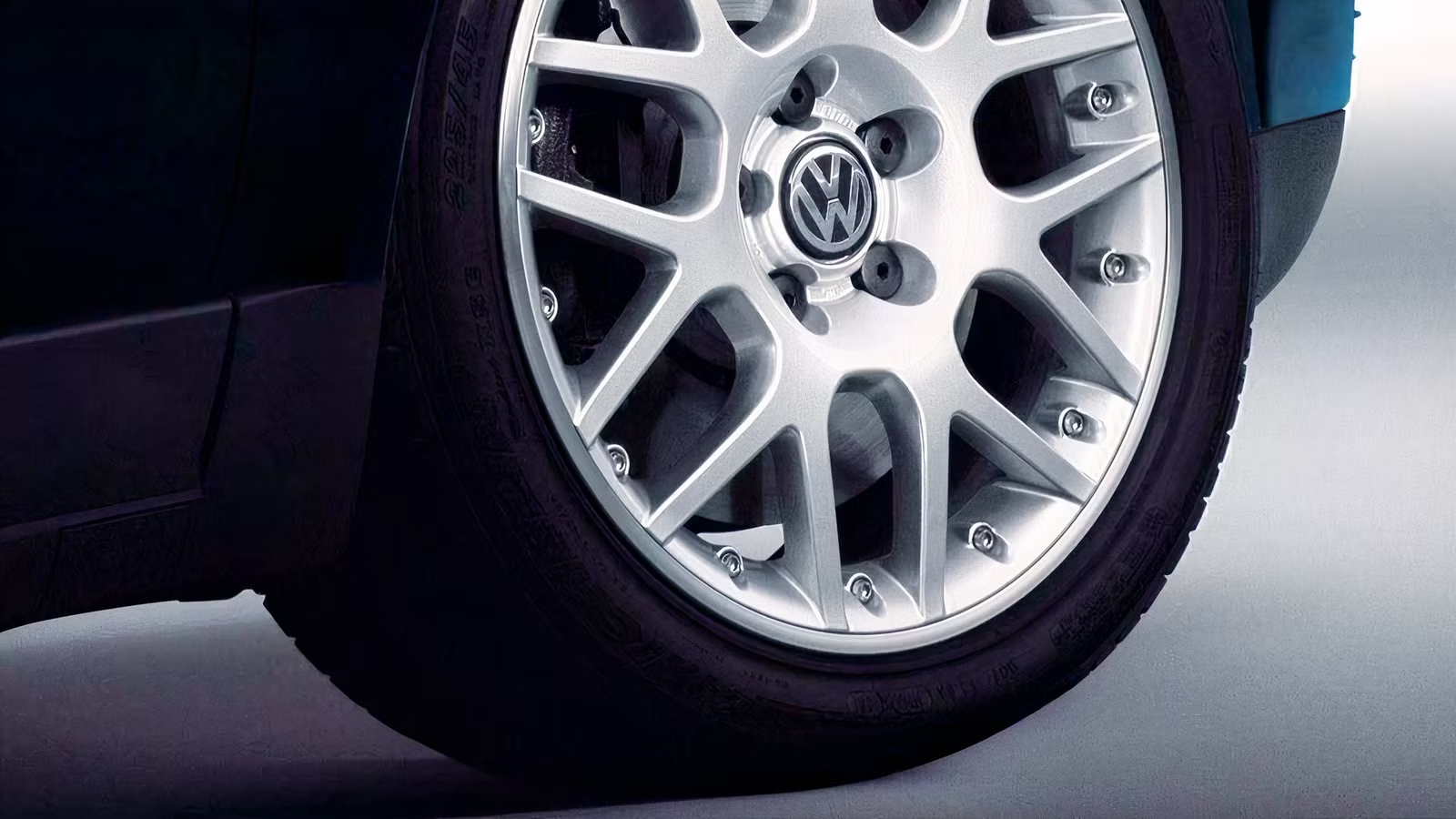
During the early 2000s, global automakers engaged in an ambitious engineering race that involved applying outrageous engines to mainstream and luxury platforms. Executives prioritized brand prestige and peak mechanical performance, but it was a trend that the 2008 global financial crisis ultimately killed. Manufacturing costs, heavy fuel consumption, and severe packaging constraints became secondary concerns during this era.

By 2026, stringent environmental regulations, aggressive fleet emission targets, and high production costs would permanently end that era. Automakers now prioritize electrified powertrains and downsized powertrains over bespoke engines. Software optimization and battery technology now drive brand prestige rather than complex mechanical engineering.
The Volkswagen Passat’s Unfortunate American Demise
The Volkswagen Passat established a long history in the U.S. as a primary family vehicle. It was long considered the champion of offering European road manners at accessible prices. Unfortunately, American consumers have grown to prefer light trucks, crossovers, and sport utility vehicles over traditional three-box sedans. Changing consumer preferences eroded sales figures across the midsize sedan market segment.

Volkswagen attempted to stabilize demand by releasing dedicated platform updates and styling refreshes, including the North American-specific platform built in Chattanooga, Tennessee. Shrinking sales volume eventually forced Volkswagen Group executives to reallocate manufacturing capacity toward higher-margin utility vehicles and new electric platforms. Production of the American Passat ended permanently after the 2022 model year. The assembly line shifted resources entirely toward manufacturing the electric ID.4 alongside the Atlas SUV.
The B5 Passat’s Insane W-8 Engine Option

The standard B5 generation Passat earned praise for its refined interior, but former Volkswagen CEO Ferdinand Piëch envisioned pushing the brand into executive territory. The flagship Passat W8 officially arrived in North American dealerships in late 2001 as a 2002 model year vehicle.
It targeted premium buyers seeking subtle luxury without aggressive sports badges. The entry price reflected this ambition, entering the market at $37,900 for sedan models. Fully equipped sedan variants and wagon variants pushed total prices past $40,000. The price placed the car into direct competition with established luxury nameplates from BMW, Audi, and Mercedes-Benz.
Why This Seemed Like A Great Idea
The engineering centerpiece was its 4.0-liter W-8 naturally aspirated internal combustion engine. The engine produced 270 horsepower at 6,000 RPM and 273 pound-feet of torque at 2,750 RPM. Power flowed exclusively through Volkswagen’s 4Motion permanent all-wheel-drive system, which featured a Torsen center differential.
Transmission offerings included a standard five-speed Tiptronic automatic transmission with manual shift controls, while a rare six-speed manual gearbox became available for enthusiast drivers. Equipped with a manual transmission, the vehicle accelerated from zero to 60 MPH in 6.7 seconds. Automatic models achieved the sprint in 7.2 seconds. Top speed was electronically limited to 130 MPH in North America, while unrestricted European configurations reached 155 MPH.
Noteworthy Refinements Made The Chassis Sharp And Comfortable

Engineers modified the B5 chassis suspension setup to handle the additional weight and torque output of the powertrain. The front suspension used an independent four-link design featuring twin lower control arms and upper wishbones, intended to eliminate torque steer entirely under hard acceleration. The rear suspension utilized a double-wishbone independent geometry integrated directly with the 4Motion subframe assembly.
Anti-roll bars mounted on both axles reduced body roll during high-speed cornering. Spring rates and shock damping were tuned specifically for high-speed cruising stability on European highways rather than track cornering. The chassis isolated occupants from road noise while keeping body roll under control.
The W-8’s Obscure Engine Design

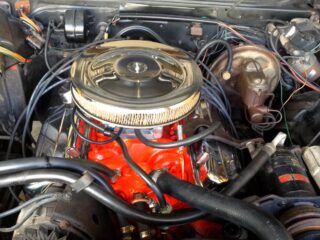
The design of the W8 engine remains one of the most unconventional engineering choices in modern automotive history. Ferdinand Piëch conceived the W engine layout as a way to fit large displacement eight-cylinder and twelve-cylinder designs into compact engine bays. The unit consisted of two narrow-angle 15-degree VR4 cylinder banks joined at a 72-degree angle on a single flat-plane crankshaft. Construction relied heavily on lightweight aluminum alloy for the engine block and cylinder heads to keep weight distribution manageable.
Double overhead camshafts operating four valves per cylinder managed intake and exhaust cycles across all eight combustion chambers. This design allowed an eight-cylinder engine to occupy a space no larger than a standard V-6, fitting longitudinally into the Passat engine bay. The architecture acted as a technical proving ground for the larger W-12 and W-16 engines later used in the Bentley Continental and Bugatti Veyron.
Challenges Involved WIth Getting The Engine In The Bay

The mechanical layout of the W-8 engine created severe challenges for engine cooling and thermal management within the engine bay. Engineers had to squeeze a high-output four-liter power unit into a space originally designed for four-cylinder and small V-6 engines. This tight fit left minimal space for air to circulate around the exhaust manifolds and rear engine block components.
Under heavy driving conditions or extended idling in hot weather, thermal buildup damaged plastic connectors, vacuum lines, and wiring harnesses near the firewall. Heat degradation caused plastic cooling pipes to crack over time, leading to coolant leaks that were difficult to detect without disassembling intake assemblies. Owners often had to inspect plastic engine bay components regularly to prevent overheating damage.
A Completely Revised 4Motion System

The 4Motion all-wheel-drive system added considerable mechanical complexity and weight to the B5 chassis. The system relied on a mechanical Torsen center differential that continuously split power between the front and rear axles based on available grip. Under normal driving conditions, the torque split remained equal at fifty percent for the front wheels and fifty percent for the rear wheels.
When sensor systems detected wheel slip on slippery surfaces, the differential instantly transferred up to seventy-five percent of engine torque to the axle with the most traction. This mechanical design operated without requiring electronic clutch packs or fluid couplings to transfer power, delivering immediate traction in snow, ice, and heavy rain.
To handle the performance capabilities of the eight-cylinder engine, Volkswagen upgraded the braking hardware across both axles. The front braking system features large ventilated iron discs paired with dual-piston floating calipers designed to dissipate heat during repeated heavy braking.
The rear setup features solid rear discs with single-piston calipers integrated into the electronic anti-lock braking system and electronic stability control network. Reviews indicate that the brake pedal response felt firm and linear, providing confident stopping power to bring the heavy vehicle to a halt at highway speeds.
Keeping The W8 Passat Running Is A Costly Endeavor

Maintaining a Passat W8 requires strict adherence to specialized maintenance procedures. Regular oil changes demand eight quarts of synthetic oil alongside specialized filters every 5,000 miles. Servicing the cooling system, spark plugs, and driveline fluids at 40,000-mile intervals remains mandatory to prevent premature component breakdown. Severe space constraints inside the engine bay complicate routine maintenance tasks, causing high labor costs.
Replacing the thermostat or resolving cam phaser errors requires mechanics to drop the front subframe and pull the entire engine and transmission assembly out of the chassis. Common failure points include plastic timing belt guides, failed thermostat housings, failed variable valve timing actuators, and oil leaks from valve cover gaskets. These engine-out repairs typically cost between $3,000 and $7,000 per repair. Official manufacturer safety recalls affected side-impact sensors, fuel pump control modules, and secondary air injection check valves. Replacing worn brake pads and rotors required specialized tooling to reset the rear caliper pistons, adding to standard routine maintenance expenses.
Collectors Are Starting To Take Notice
Used vehicle market valuations in 2026 reflect the car’s status as a rare collector item with high maintenance requirements. High-mileage examples or vehicles requiring significant mechanical work sell for between $3,500 and $5,500. Well-maintained examples showing documented service history typically range in value from $8,000 to $12,000.
Extremely rare clean manual transmission sedans or wagons with low mileage command prices exceeding $15,000 among collectors. Despite moderate purchase costs, prospective buyers face ongoing ownership expenses due to the scarcity of engine replacement parts and specialized mechanic labor fees.
Volkswagen’s Business Class-Level Cabin

The cabin offered luxury standard equipment to justify its premium market placement. Interior surfaces featured soft-touch plastics, leather upholstery, and real wood accents along the dash and center console. Standard equipment included heated front seats, eight-way power-adjustable front seating, automatic climate control, rain-sensing windshield wipers, and a power sunroof.
Entertainment options included a premium Monsoon sound system with a cassette deck and a trunk-mounted six-disc CD changer. Interior dimensions provided generous passenger space, including 37.6 inches of front headroom, 37.1 inches of rear headroom, 44.7 inches of front legroom, and 35.6 inches of rear legroom. Sedan models offered 14.1 cubic feet of cargo volume in the trunk, providing practical daily usability along with its unique mechanical setup.
The W8 Passat Was Ultimately Doomed To Fail
Market reception for the flagship sedan remained cool throughout its limited production run from 2002 through 2004. Mainstream car buyers shopping for midsize family transportation were unwilling to pay luxury prices for a vehicle bearing a Volkswagen badge on the grille.
Potential luxury buyers preferred established luxury brands like Audi, BMW, or Mercedes-Benz, which offered stronger prestige and higher resale value retention. Volkswagen sold only about eleven thousand units worldwide before ending production, turning the model into a rare automotive curiosity. Today, the vehicle serves as a historic milestone representing an era when Volkswagen attempted ambitious engineering projects to challenge the automotive industry hierarchy.
Sources: Volkswagen, J.D. Power, and Edmunds.

Related posts

Latest Post


No Comments