
Mazda’s New Hybrid Inline-Six Is A Direct Answer To Buyers Who Think Hybrids Have To Feel Slow
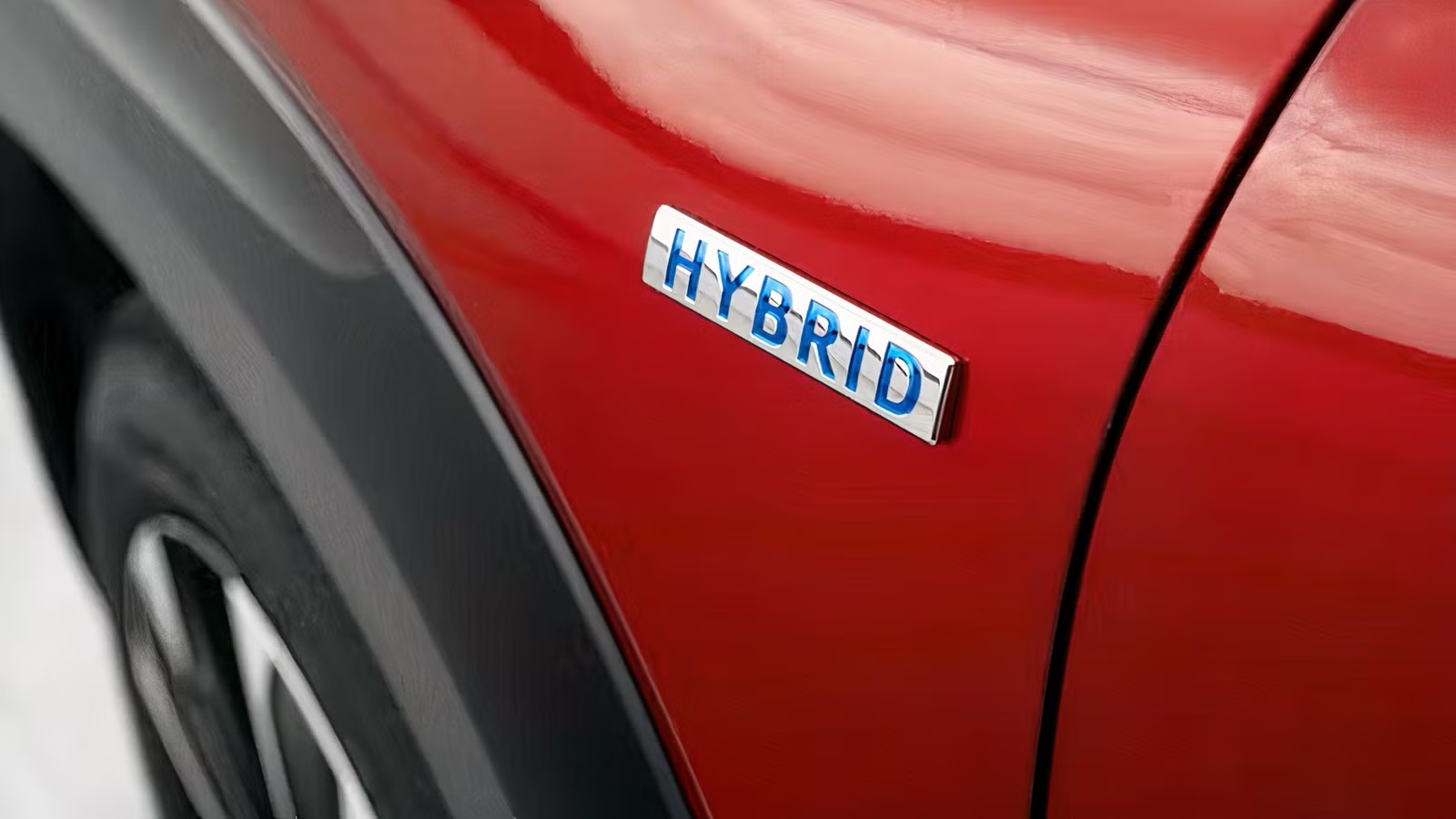
Mazda confirmed this week that it’s developing a hybrid inline-six engine built on its Skyactiv-Z combustion technology, a move that breaks from the four-cylinder hybrid formula that dominates the mainstream SUV market. The news came buried in Mazda’s annual Integrated Report, released in Japanese on October 22, and it signals something buyers tired of sluggish hybrid crossovers have been asking for: more cylinders, more torque, and a smoother power delivery that doesn’t feel like a compromise.

The first application lands next year in the CX-5 hybrid, though that model will reportedly debut with the four-cylinder version of Skyactiv-Z first. Mazda says the inline-six variant is coming for other applications in its lineup, and the CX-90‘s longitudinal six-cylinder platform is the most obvious candidate. For anyone who’s driven a RAV4 Hybrid or Highlander Hybrid and come away unimpressed by the strained CVT drone under hard acceleration, this is Mazda making a specific bet: that six-cylinder smoothness sells better than four-cylinder efficiency alone.
What Skyactiv-Z Actually Does Under The Hood
Skyactiv-Z is Mazda’s next-generation combustion architecture, and its trick is thermal management. The engine uses thermal insulation throughout the combustion chamber to trap heat that would otherwise escape and go to waste. By holding onto that energy, Mazda can run a leaner fuel-to-air mixture than before, pulling in more air relative to gasoline, while still extracting strong power output. The result, according to Mazda, is an engine that burns cleaner and more efficiently without the power penalty that usually comes with lean-burn tuning.
It builds on lessons from Skyactiv-X, Mazda’s earlier compression-ignition gasoline engine that used a small spark to trigger a pressure wave and ignite fuel the way a diesel does. Skyactiv-X never quite delivered on its promise in the real world, but Mazda says Skyactiv-Z evolves that same core idea with better thermal control, and that the new engine family was developed faster than its Skyactiv-G and Skyactiv-X predecessors.
Why Six Cylinders Changes The Hybrid Equation

Four-cylinder hybrids have become the default in the segment because they’re cheap to package and easy to pair with a CVT. But that formula has a ceiling. Towing capacity suffers, acceleration feels labored under load, and the powertrain often sounds strained rather than refined. An inline-six hybrid addresses all three. More cylinders mean smoother, more linear power delivery, better low-end torque for towing, and a more upmarket character overall, the kind of refinement buyers associate with six-cylinder engines in general.
Mazda hasn’t released official horsepower or torque figures for the hybrid inline-six yet, and exact numbers remain unconfirmed. But the strategic intent is clear: a straight-six Skyactiv-Z hybrid could slot into the CX-90, which already runs a longitudinally mounted inline-six, giving Mazda a more premium, efficient powertrain option without the four-cylinder compromise buyers have grown skeptical of in rivals like the RAV4 and Honda Pilot hybrid lineups.
A Rotary Comeback Is Still On The Table

Mazda’s report didn’t stop at inline-six engines. The company also hinted, without specifics, that Skyactiv-Z technology could eventually find its way into a rotary engine, a layout known for high power density but historically poor fuel economy. Pairing rotary architecture with Skyactiv-Z’s lean-burn, heat-retention approach could address that weakness directly.

Related posts


Latest Post


No Comments