
Keep your V12s – Porsche’s Mezger flat six is my all-time favourite engine
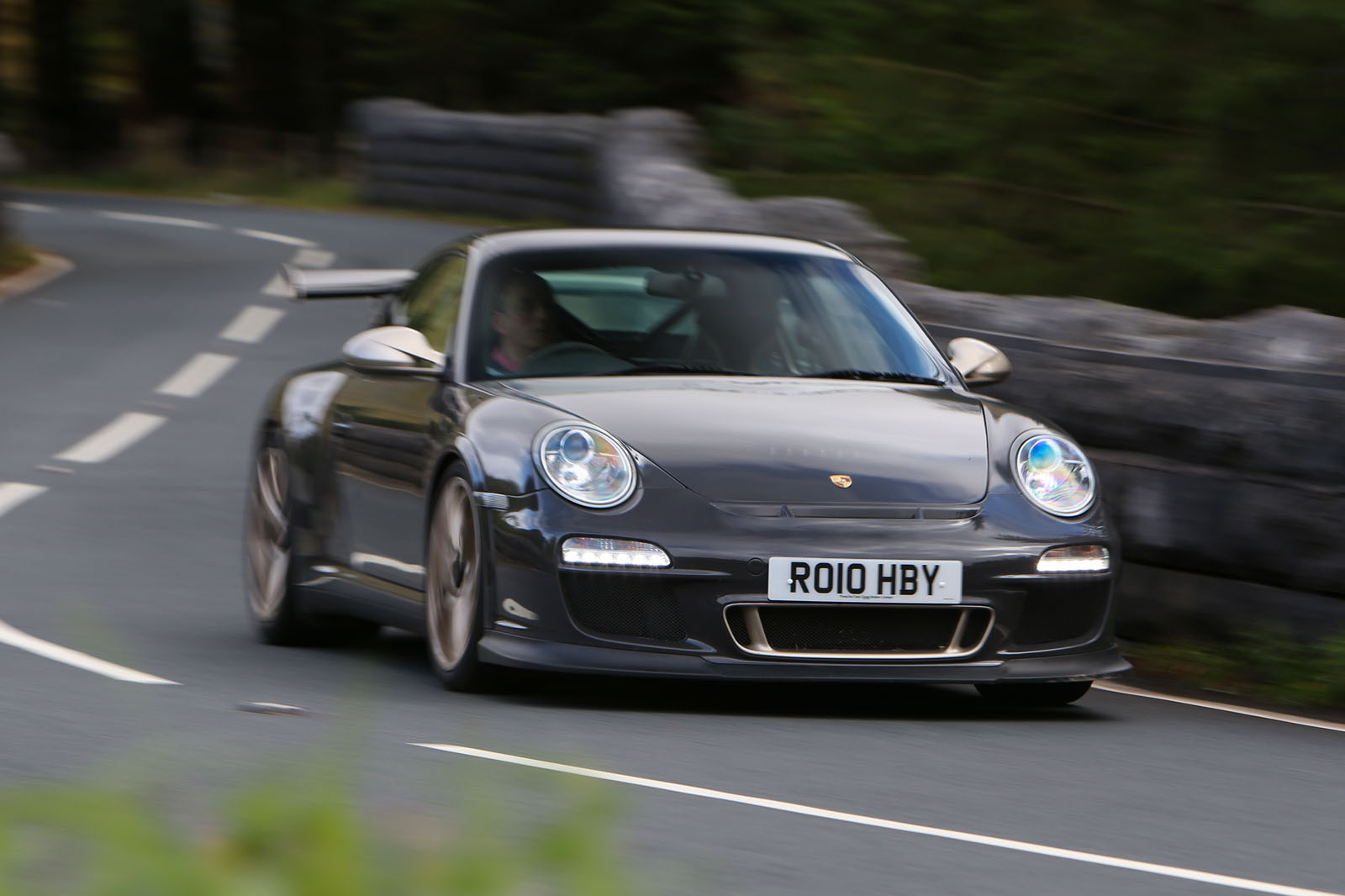
From the likes of the 4.0-litre six that powers the 992 GT3 RS to the thunderous dirty dozen in the legendary 917, Porsche knows how to build a boxer engine.
They’re all brilliant in their own right, but for me the ‘Mezger’ flat sixes are the absolute cream of the horizontally-opposed crop – partly because of their outrageous performance but also because of the history behind them.

Named after Hans Mezger (1929-2020), who led the engineering team behind the original air-cooled 2.0-litre ‘901’ engine in the first 911, the unofficial Mezger nickname most commonly refers to a generation of water-cooled units used in the 996 and 997 GT cars, as well as the 996 and 997.1 Turbo models (even if you could technically apply the moniker to any air-cooled Porsche six).
That they have received the surname of the legendary engineer is testament to Mezger’s legacy at the company, the fundamental layout of his original 901 flat six going on to function as the basis for every air-cooled flat six that left the Porsche factory over the next three decades, as well as the powerplants used in several of Porsche’s race cars. With features like a durable split crankcase and a dry-sump oil system, the engines were, above all else, remarkably tough.
Mezger retired in 1993, and four years later Porsche moved away from his air-cooled design for the first time in more than 30 years with the 996. However, the all-new water-cooled ‘M96’ engine used in the 996 suffered from big problems: cracked cylinder heads, bore scoring and catastrophic intermediate shaft bearing failures (IMS is perhaps the best-known acronym in Porsche enthusiast circles) to name a few.

So when the time came to homologate the 996 for motorsport and the brand needed a competitive but reliable powerplant, Porsche headed into the archive for inspiration.
Using a derivative of the block from the Le Mans-winning 911 GT1, which itself was derived from Mezger’s engine for the 962 Group C racer, Porsche designed a new water-cooled, naturally aspirated 3.6-litre flat six for the 996 GT3 in 1999. It had a split crankcase and was dry-sumped in a similar fashion to its air-cooled predecessors, with a gear-driven IMS rather than the M96’s compromised chain-driven one.

Related posts


Latest Post



No Comments