
Why the CUPRA Raval is perfect for urban families
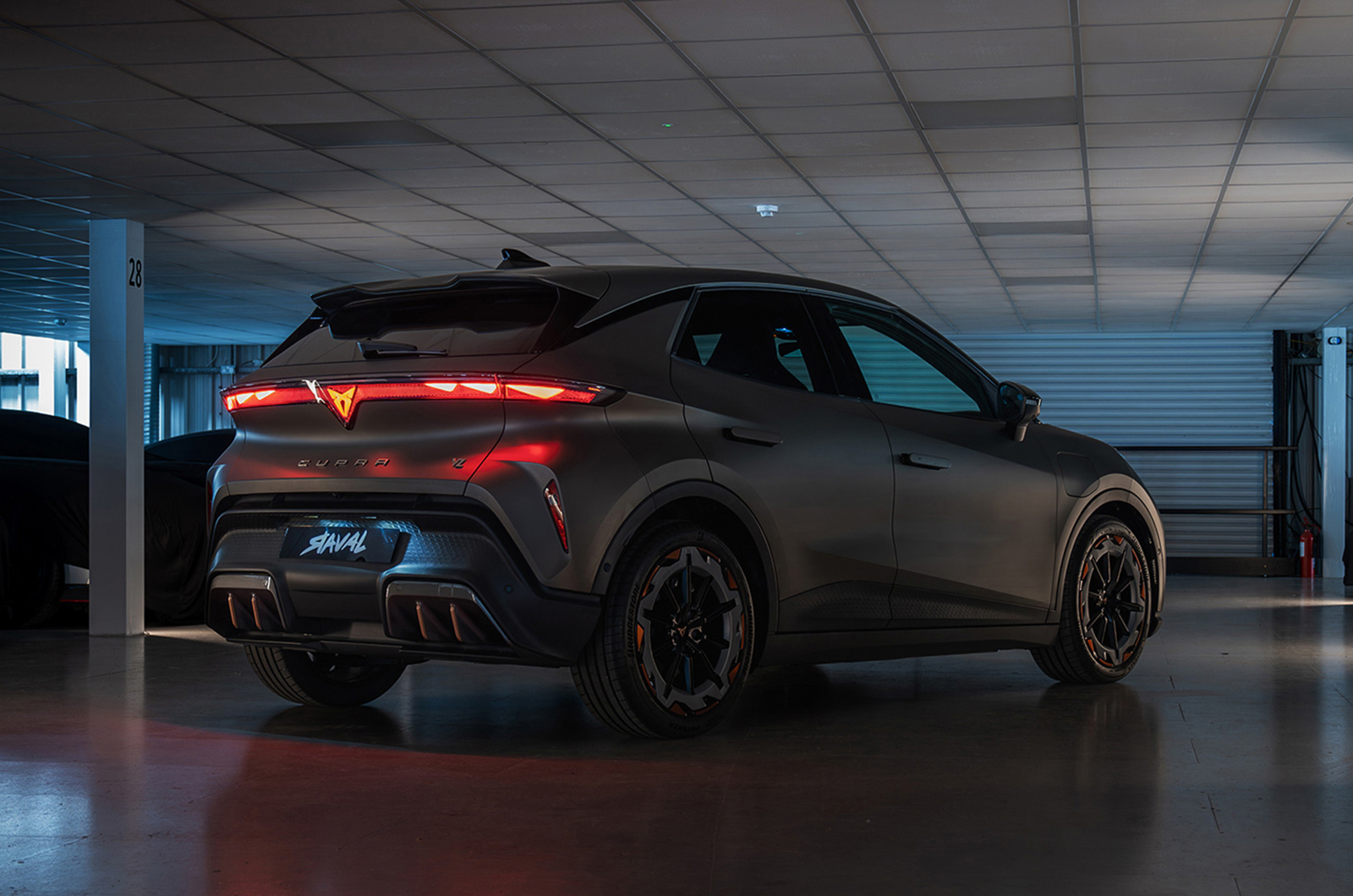
Vehicle-to-Load technology* deserves a mention of its own. The Raval can power external devices directly from its high-voltage battery – a laptop, a camera, an e-bike charger – through a standard outlet. It is the kind of capability that has typically required a large SUV. Here it sits in a small hatchback, and it is more useful than most buyers will initially expect.
Just the right amount of range for owners

The instinct when comparing EVs is to chase the highest range figure. For an urban family car, that is rarely the right metric. Despite not yet having confirmed technical data, it’s widely thought that the Raval’s entry-level Origin model – with a 37kWh Lithium Iron Phosphate (LFP) battery – will be able to cover the average UK weekly mileage several times over between charges. Most owners will plug in at home overnight and leave each morning fully charged, making the range figure largely academic for everyday use.
For those who want greater headroom, the 52kWh Nickel Manganese Cobalt (NMC) battery offered across V1, V2 and VZ trims will offer even more range – sufficient for city-to-city runs and weekend escapes without a charging stop, while retaining all the compactness and efficiency that make the Raval just right for the working week.
Charging: fast, intelligent and simple
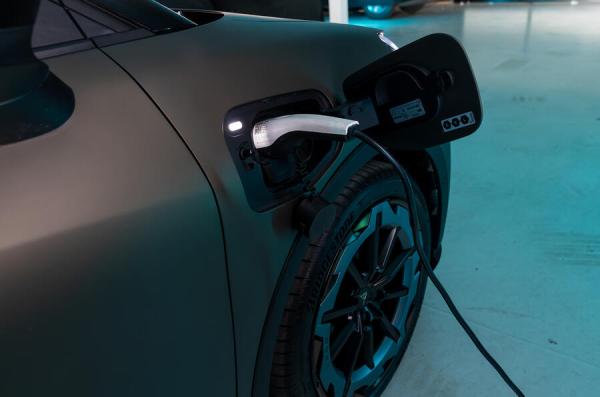

Charging times are among the most competitive in the class. The 37kWh battery, on V1 and V2 trims, reaches 10-80% in 28 minutes** using a 90kW rapid charger. The 52kWh version does the same in 24 minutes** with 130kW charging – enough for a meaningful top-up during a school-holiday trip, not a wait that reorganises the day.
Away from home, ‘Plug & Charge’ removes the remaining friction. The Raval authenticates automatically at over one million public charging points across 28 European countries – no app to open, no card to tap. The ‘e-Route Planner’ builds charger availability and real-time battery state into the car’s navigation, managing longer journeys proactively. It all adds up to an experience where range anxiety is a thing of the past.

Related posts





Latest Post


No Comments