
Why Older American Pickup Trucks Are Easier To Repair Than Modern Ones
A modern pickup can tow a trailer, monitor its engine and warn you when something goes wrong. Yet when a warning light appears, a home mechanic may find themselves reaching for a scan tool before even opening the hood. An older pickup can be less sophisticated, but its mechanical systems are often easier to understand and inspectwith familiar tools. That matters when you’re trying to get a truck running again without turning every repair into an electronics lesson. Simpler doesn’t always mean better, though.
Why Modern Pickup Trucks Can Be Harder To Repair

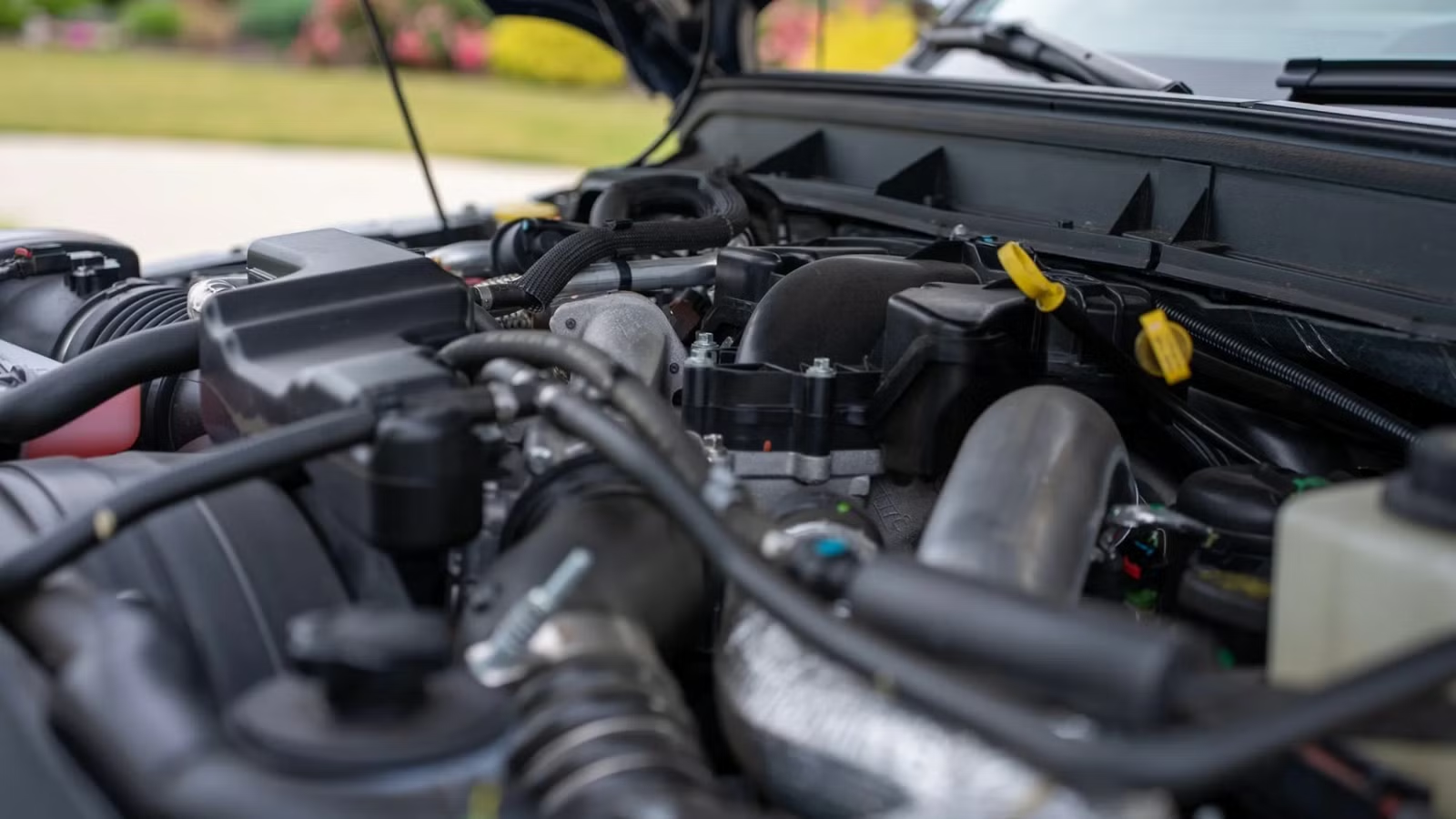
Modern pickups rely on electronic engine controls, sensors and wiring to manage fuel delivery, ignition timing and emissions. Diagnostic trouble codes can narrow down a problem, but they don’t automatically identify the failed part. A sensor code, for example, might point to a faulty sensor, damaged wiring or another problem affecting its readings. Physical access can make matters worse. Some newer trucks, particularly turbocharged models, have crowded engine bays filled with intake plumbing, heat shields, wiring and other hardware. Certain repairs remain straightforward, but others require removing components before a mechanic can reach the part that needs attention. Finding the fault and getting to it are two different jobs.
How Carburetors And Distributors Made Old Trucks Easier To Diagnose

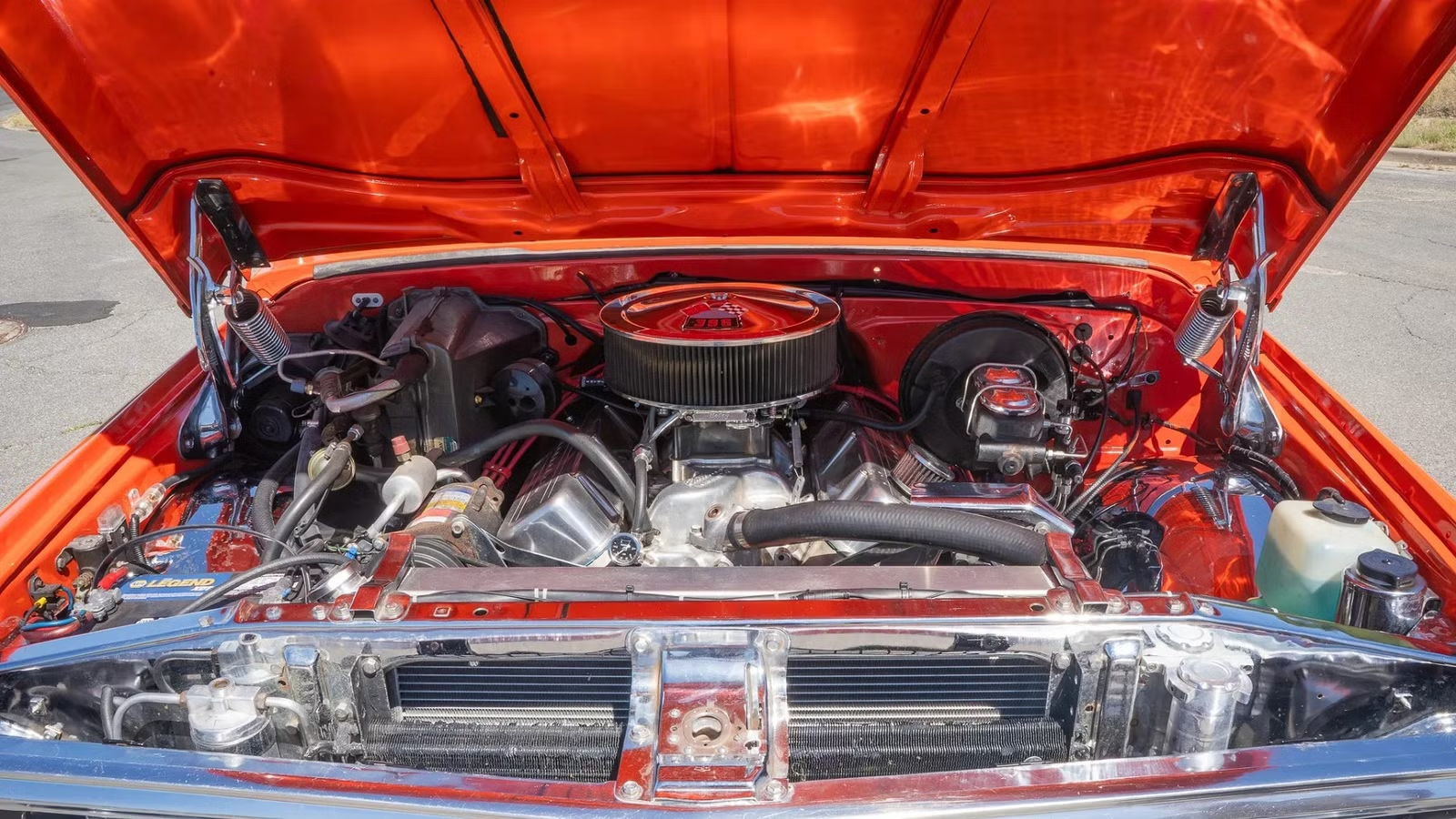
Traditional gasoline engines gave mechanics a fairly direct way to investigate running problems. If an engine wouldn’t start, they could check fuel delivery, spark, compression and ignition timing, then work through the likely causes. A carburetor and distributor-based ignition system made many of those checks possible with hand tools, a timing light, a multimeter and a service manual. Carburetors still have their share of headaches.
Clogged passages, worn components, vacuum leaks and incorrect adjustments can leave an engine running badly, while emissions equipment adds another layer of troubleshooting. Still, many faults can be tracked down with your eyes, ears and hands rather than a laptop. Here’s the catch, though. Older pickups didn’t all have the same ignition technology. Ford adopted electronic ignition during the 1970s, with Duraspark systems appearing during that transition, while Chevrolet light trucks were using High Energy Ignition (HEI) by 1975. These systems replaced conventional breaker points, but they still used distributors. Electronic ignition and fully computerized engine management are different things.
Classic Ford F-Series And Chevy Square-Body Trucks Show How The Tech Changed

Ford’s F-Series gives a useful snapshot of the transition. The 1976 F-150 offered a carbureted 360 ci V8, while the 1985 F-150 could be ordered with a 302 V8 using electronic multi-point fuel injection. Its injectors fed the individual intake ports under the control of Ford’s EEC-IV computer. That added sensors and electronic diagnosis to fuel-system troubleshooting while giving Ford tighter control over the air-fuel mixture.
Chevrolet’s square-body pickups followed their own path. With HEI already in place, another change came in 1987, when GM offered throttle-body injection on certain trucks, including the V20 with the 350-cubic-inch (5.7-liter) V8. The system used an electronic control module and sensor inputs to regulate fuel delivery, replacing the conventional carburetor on those applications.
Breaker Points, HEI And Fuel Injection Repairs Compared

Take a classic no-start on a points-equipped engine. A mechanic can inspect the distributor cap and rotor, examine the breaker points, check the ignition coil and test for spark. If the ignition timing is off, a timing light helps confirm it. Those checks provide a fairly direct route through the system, although worn parts and poor adjustments can still make the diagnosis frustrating.
An electronic ignition system changes the checklist. On Chevrolet’s HEI system, diagnosis extends to the magnetic pickup and ignition module, and a mechanic may need an ohmmeter or a suitable tester to isolate a fault. That isn’t necessarily harder, but it does mean understanding how the system works rather than swapping parts until the spark comes back.
Fuel delivery offers another useful comparison. A carburetor can often be removed and serviced with ordinary tools, depending on the engine layout. Throttle-body injection offers more precise fuel control, but diagnosing it means checking injector operation, sensor signals, wiring and the control module alongside the mechanical hardware. Modern scan tools can make that process much faster by showing fault codes and live data. But a code is a clue, not a confession, and good diagnosis still depends on testing.
Are Old Pickup Trucks More Reliable? Parts Support And Condition Decide

Classic Ford F-Series and Chevrolet C/K pickups benefit from established restoration and aftermarket parts networks, which is good news for anyone who assumes old-truck ownership means scouring junkyards for every bracket. Specialist suppliers catalog body panels, electrical components, fuel-system parts and engine components for 1973-1979 Ford trucks and 1973-1987 Chevrolet and GMC trucks. There are limits, though. A catalog listing doesn’t guarantee that every part is in stock, affordable or available in original form. Model-specific trim, unusual components and some original parts can be difficult to source, and buyers still need to check the exact model year and configuration.
Age can create bigger problems than the original design ever did. Rubber hoses deteriorate, seals leak, wiring insulation cracks and connectors corrode. Rusted fasteners can turn a routine job into a battle, while decades of improvised repairs may leave a truck with wiring that looks like someone lost an argument with a soldering iron. Modern pickups bring real advantages, too, including advances in crash protection and safety technology. Reliability depends on maintenance, design, use and condition, not merely the number of computers onboard.
An older pickup can be easier to understand and more satisfying to repair yourself, particularly when common parts and good service documentation are available. But a clean, well-maintained modern truck can be a smarter ownership proposition than a neglected classic with rust, worn components and years of questionable fixes. The best truck for a home mechanic is the one whose systems, condition and parts supply they can realistically manage.
Sources: Chevrolet, Ford

Related posts





Latest Post


No Comments