
Why I Think 100 Horsepower Is All The Motorcycle Most Riders Will Ever Need
I’ve ridden everything from small-displacement commuters to high-performance sport bikes with enough horsepower to embarrass sports cars. While I’ll never complain about having more power at my disposal, I’ve come to realize that the fastest motorcycle isn’t necessarily the one I’d want to ride every day. There’s a point where extra horsepower stops making a motorcycle more enjoyable and starts becoming something you rarely get to use. For me, that sweet spot sits at around 100-ish horsepower. Here’s why.
Why 100 Horsepower Is The Sweet Spot

A motorcycle producing around 100 horsepower is already an incredibly quick machine that can accelerate from zero to 60 miles per hour in roughly three to four seconds. Serious performance by any standard. More importantly, it’s enough power to make everything effortless. Overtaking is effortless, highway riding is relaxed, and winding roads are genuinely entertaining. The beauty of this power level is that you can actually explore what the engine has to offer. Compare that with a 200-horsepower superbike, where even second gear can take you well beyond legal highway speeds. Sure, having that much performance available is exciting, but extracting its full potential requires a racetrack, serious riding skills, and plenty of room to work with.
Power-To-Weight Ratio Changes Everything

One of the biggest reasons 100 horsepower goes so far on a motorcycle is weight. A typical middleweight naked bike weighs somewhere around 400 to 450 pounds, giving it a power-to-weight ratio that would make many performance cars jealous. A 100-horsepower motorcycle weighing 425 pounds, for example, produces approximately 471 horsepower per ton.
But acceleration is only part of the equation. Less weight also makes motorcycles easier to change direction, manage under braking, and maneuver through tight corners. A lighter machine demands less effort from its rider, which becomes especially noticeable on technical roads or during long days in the saddle. And while horsepower certainly contributes to the experience, other essentials like suspension quality and braking performance have just as much influence over how quickly and confidently a motorcycle can be ridden.
The Engine Matters More Than The Peak Number


I’ve always believed that how an engine delivers its power matters more than the headline figure. A motorcycle producing approximately 100 horsepower with a broad, accessible torque curve can be more satisfying than something making 200 horsepower exclusively near the top of its rev range. Engines with strong midrange performance let you accelerate out of corners without constantly chasing the perfect gear. They’re responsive when you need them to be, yet relaxed enough to handle cruising without demanding your undivided attention.
This is where modern parallel-twins, triples, and smaller inline-fours become interesting. Each delivers a different character, even with similar outputs. A twin might prioritize low-end response, while an inline-four typically rewards riders who enjoy exploring the upper reaches of the tachometer. A triple combines midrange punch with an appetite for revs. None of these configurations is inherently superior, but they demonstrate why choosing a motorcycle based entirely on horsepower means overlooking much of what makes it enjoyable.
My Yamaha XSR900 Is Living Proof Of This

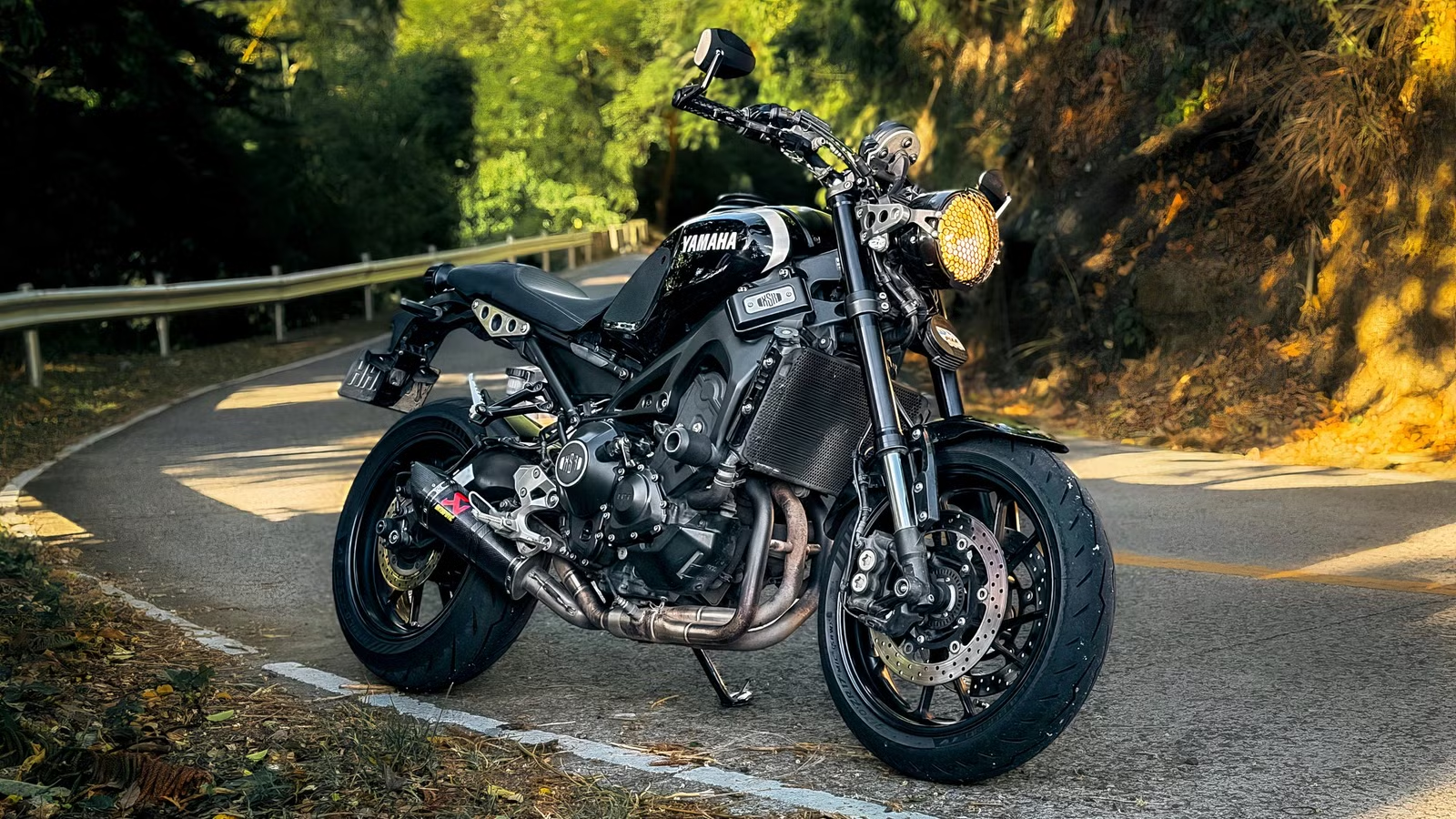
My own 2020 Yamaha XSR900 is probably the best example I can give of why I’ve become such a believer in this power range. Its 847cc CP3 inline-three produces around 115 horsepower, which is slightly above my ideal figure but still right in the sweet spot. I’ve used this motorcycle for pretty much everything. I’ve commuted through heavy traffic, gone on 500-kilometer day rides, loaded it up for motorcycle camping trips, and even taken it to the racetrack. Through all of that, it’s never skipped a beat, and I’ve never once found myself wishing it had more power.
What I love most is how versatile the engine is. There’s enough low-end torque to make everyday riding effortless, a strong midrange for overtaking and corner exits, and plenty of excitement when I decide to push it harder. Sure, it’s not the most comfortable long-distance tourer, nor is it the sharpest track weapon, but it handles both jobs without complaint. After years of ownership and countless miles across different riding conditions, the Yamaha XSR900 has convinced me that having the right amount of power is far more rewarding than simply having the most.
More Horsepower Doesn’t Automatically Make You A Better Rider

One thing I’ve learned from riding motorcycles with wildly different performance levels is that horsepower can disguise weaknesses in technique. A powerful engine makes it easy to compensate for poor corner exits with aggressive acceleration, but it won’t improve your ability to maintain momentum. On a technical road, a rider who understands body positioning, throttle control, and braking can make better use of a less powerful motorcycle than someone relying on brute force.
That’s also why I think middleweight motorcycles are excellent tools for developing riding skills. They offer enough performance to challenge experienced riders without making every throttle input an exercise in restraint. On a racetrack, you can concentrate on refining your lines, carrying corner speed, and understanding how the chassis responds. Those skills translate directly to larger motorcycles, whereas learning to manage an enormous amount of horsepower doesn’t necessarily teach you how to ride one properly.
The Best Motorcycle Isn’t Necessarily The Most Powerful

None of this means I think superbikes are pointless. Motorcycles such as the BMW S 1000 RR, Ducati Panigale V4, and Kawasaki Ninja ZX-10R are remarkable examples, and I’d never turn down an opportunity to ride one. But I don’t think owning a 200-horsepower machine should be treated as the ultimate destination for every motorcyclist. Some riders want outright speed, while others prioritize comfort, versatility, and having fun at sensible speeds. Personally, I’d rather have a motorcycle whose performance I can enjoy regularly.
After years of riding different motorcycles, I’ve become increasingly convinced that the best machines are the ones that encourage you to ride more often and take the longer route home. Around 100 horsepower offers a remarkable balance of acceleration, flexibility, and everyday usability. Plenty of riders will be happy with less, and others have good reasons to want more. But beyond this level, additional power delivers diminishing returns on public roads.

Related posts



Latest Post


No Comments