
Toyota Just Raised RAV4 Hybrid And Prime Prices Again, Testing How Much Buyers Will Pay For America’s Best-Selling SUV
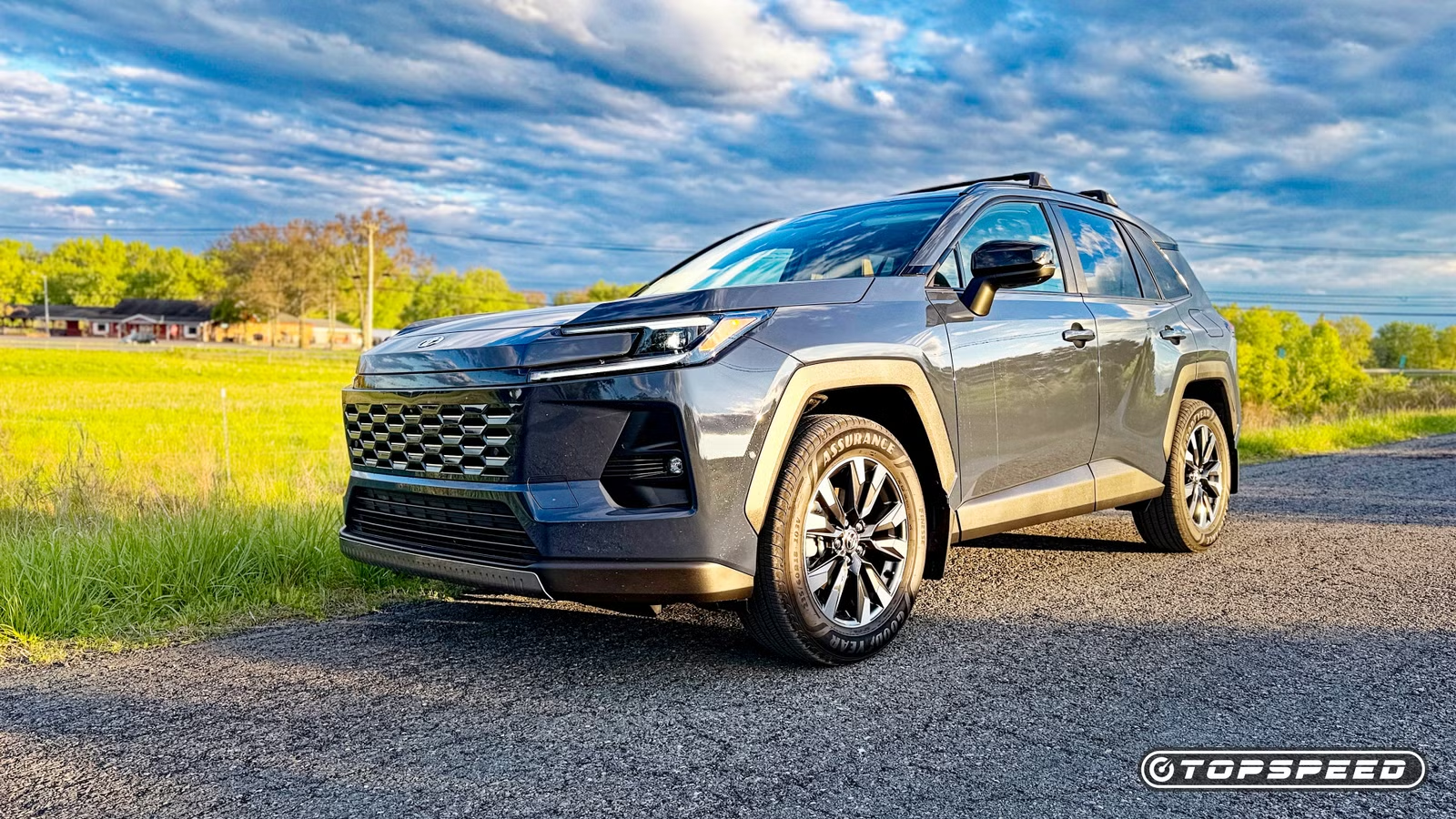
Toyota confirmed 2027 RAV4 pricing on November 5, and the number that matters most is the one going up for the second time in recent weeks. The RAV4 Hybrid now starts at $33,895 including a $1,595 destination charge, a $400 increase, while the RAV4 Prime plug-in hybrid opens at $43,695, up $600 at the entry point.

That’s on top of a destination fee that climbed $145 from 2026, which means the real-world jump on a base hybrid lands closer to $545 once delivery is factored in. For a nameplate that already outsells every other SUV in the country, the question now is how much headroom Toyota actually has before buyers start cross-shopping the Honda CR-V Hybrid and Hyundai Tucson Hybrid instead.
Where The Money Is Going This Time
The new Woodland trim absorbs a big chunk of the increase. Built for 2027 with revised springs, shocks, and jounce bumpers, it raises ground clearance to 9.1 inches from 8.1 inches on other RAV4 grades, adds all-terrain tires, a tow hitch, and a chunkier front bumper. The Woodland Hybrid carries an MSRP of $40,655 including destination, and trim-by-trim figures show the increases aren’t limited to the entry grade. The Woodland Hybrid AWD rises $755 over last year’s pricing, according to Kelley Blue Book’s breakdown of the lineup.
All-wheel drive got more expensive across the board, too. The option on front-drive hybrid trims now runs $1,600, up $200 from $1,400 for 2026. Toyota says regular hybrid models reach dealers before the end of 2026, while the updated plug-in hybrids follow in early 2027, the same staggered rollout pattern the RAV4 used last year.
The Value Math Against CR-V And Tucson

Toyota isn’t raising prices in a vacuum. The RAV4 Hybrid has already carried a premium over the Honda CR-V Hybrid and Hyundai Tucson Hybrid, and neither of those rivals has moved its pricing as aggressively in recent months. For shoppers comparing total cost of ownership rather than badge loyalty, every few hundred dollars Toyota adds narrows the gap that’s made the RAV4 the default pick for buyers who assumed hybrid efficiency came without a hybrid tax.
The RAV4’s sales lead over the Honda CR-V held through October, so Toyota clearly isn’t worried about demand softening yet. But stacking a second price increase onto an already-premium-priced hybrid is a real test of whether brand strength alone keeps buyers from doing the spreadsheet math on a Tucson Hybrid Limited or a CR-V Hybrid Sport Touring instead.
What The Plug-In Hybrid Buyer Gives Up

RAV4 plug-in shoppers face a steeper tradeoff than the sticker price alone suggests. The Woodland plug-in hybrid is rated at 46 miles of electric range, down from 49 miles last year, while the SE plug-in still leads the lineup at 52 miles thanks to its lighter, less off-road-oriented setup. Buyers chasing the Woodland’s extra ground clearance and tow hitch are trading some of the Prime’s signature efficiency advantage to get it, on top of paying more to do so.

Related posts




Latest Post


No Comments