
This 1965 Corvette Stingray With Modern C8 Engine And Running Gear Could Be A Restomod Too Far
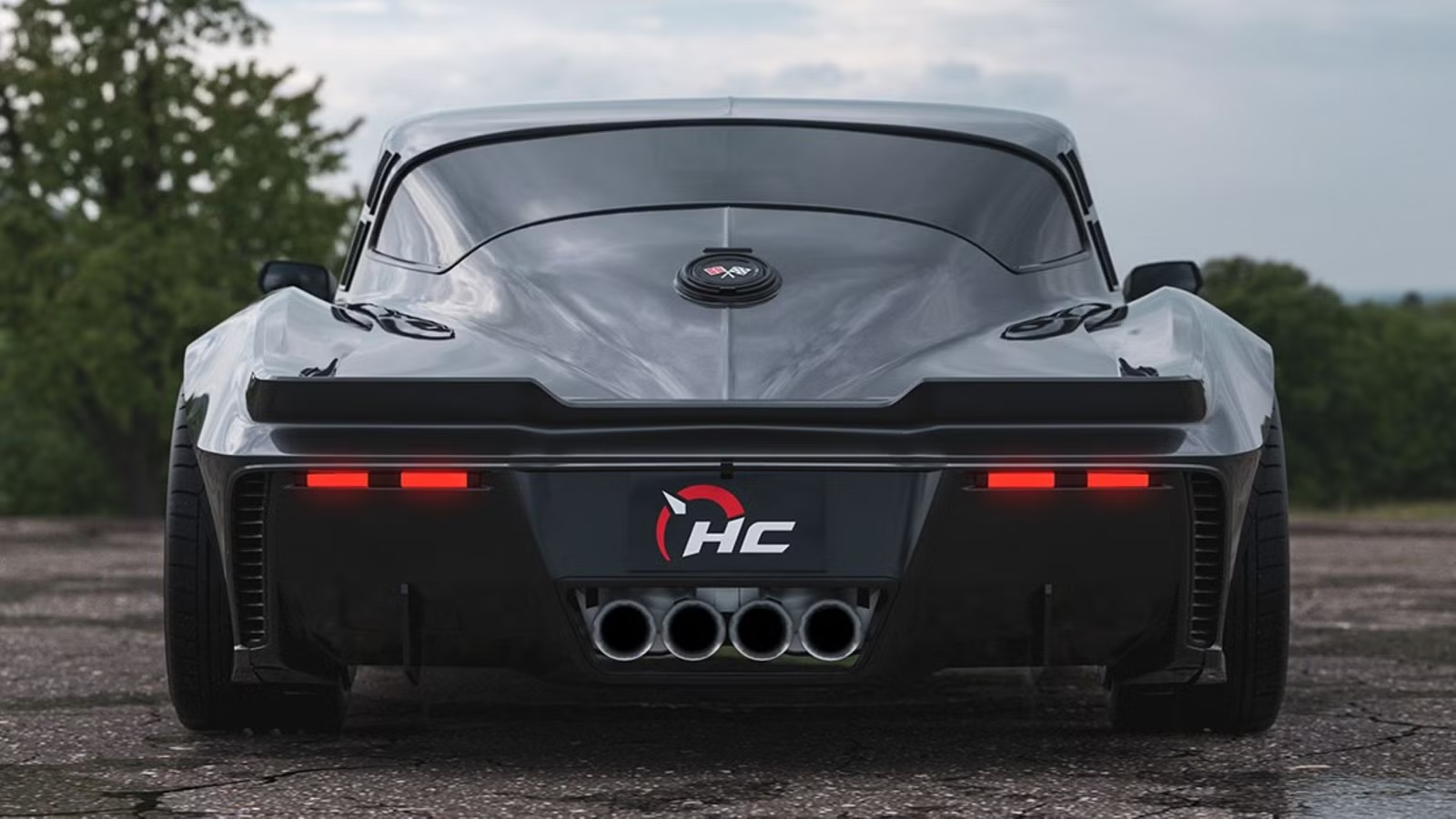
The C2 Corvette is widely seen as one of the very best designs of Chevy’s long-running sports car. With razor-sharp lines and delicate styling, the ’60s model looked purposeful without being over the top. It is a true design classic. The latest C8 Corvette was the biggest gamechanger, fitting the engine in the middle of the car behind the driver for the first time, turning it from a sports car to a Ferrari-chasing supercar in the process. But what if you mixed the beauty of the C2 with the innovation of the C8? Turns out it would work extremely well.
This C2 And C8 Mashup Is Restomod Heaven

The C8 Corvette was launched in July 2019 to almost instant acclaim, ushering in a new era for America’s sports car. Even GM admitted that the traditional front-engine of the Corvette had “reached its limits of performance”, necessitating the need for a traditional supercar layout. If anyone was worried, it didn’t last long. The Corvette went from sports car to hypercar hunter in one generation, and the C8 was hailed a huge success. But while even the basic Stingray C8 can hit 60 mph in three seconds, and has the handling of an Italian exotic, the only criticism you could (perhaps) level at it is that it now looks very much the standard supercar, with sharp, wedge-like looks and a low-slung stance. But imagine if the C8 looked like a 1965 C2 Corvette with the engine back in the front?

With the C8 now seven years old, finding a donor car is fairly easy, considering wrecked examples are already being used for projects. Finding a project C2 is easier than it might seem. Project cars go for around $20K and there are plenty around. With a theoretical budget of $100,000, you’ll need to be handy with a wrench, not to mention extremely knowledgeable, but this C2 restomod image shows what is possible.

This restomod render shows what happens when you drop the engine of a modern C8 Corvette into the svelte lines of the C2. That engine, incidentally, is a stock 6.2-liter small block V8 LT2 producing 495 horsepower and 470 lb-ft. Even in the base Stingray, the V8 has an engine-mounted dry sump oil system and three scavenge pumps for optimal track performance. The LT2 is mated to Chevy’s first eight-speed dual-clutch transmission, designed with TREMEC, and featuring paddle shifters for lighting quick changes. Naturally, this restomod would get the Z51 Performance Package, which includes performance suspension with manually adjustable threaded spring seats and larger brake rotors.


The C2 retains its beautiful curves and iconic stinger hood. That hood is now enlarged for better air flow and increased clearance, also feeding the brakes. Considerable fabrication is needed to fit the mid-engine C8’s LT2 into the front of the ’60s car. While the C2 shape is retained, the overall look is incredibly modern, with LED strips in place of the original pop-up lights. The wide-body design is finished in metallic gray, with a lower front section that is a nod to modern supercars.
To improve road holding, the Corvette has been dropped by eight inches, giving it a menacing low-slung look. The standard C8 front end suspension lift ensures that it can be used regularly, just like Chevy’s modern ‘Vette supercar. At the rear, the changes are more noticeable. A small ducktail spoiler is incorporated into the bodywork, with a section dropping in the middle like contemporary Ferraris. Again, LED strips take the place of the classic C2 lights. The four pipes in the center are a cool take on the design of the C8 ZR1’s rear.
A Restomod C2 Would Make Perfect Sense

Restomods are big business right now, and using the gorgeous C2 as the basis for a modern supercar makes great sense. C2s were formidable sports cars in their day, and at 3,000 lbs, noticeably lightweight compared to modern sports cars. Even the C8 tips the scales at 3647 pounds, which is considered light weight in this day and age. Throw in carbon fiber parts to this build, and you could reduce the weight of the C2 restomod even more, making the performance truly electrifying. With even the base C8 Stingray covering a quarter in 11.2 seconds, you could expect this restomod to go the same, if not faster. Finally, the C2 would be back at the top of the sports car tree where is belongs.
The only issue is, that, naturally, you would be taking away a lot of what makes a C2 great in the first place. Independent rear suspension, four-wheel disc brakes, and the choice of big-block engines meant that the C2 was hardly a slouch, with the top models outpacing Ferraris of their time. Perhaps a better option to a C2/ C8 mash-up would be to buy one of each and keep the classic for the weekends.

Related posts




Latest Post


No Comments