
The Japanese Muscle Bike Built For Riders Who Prefer Torque Over Technology
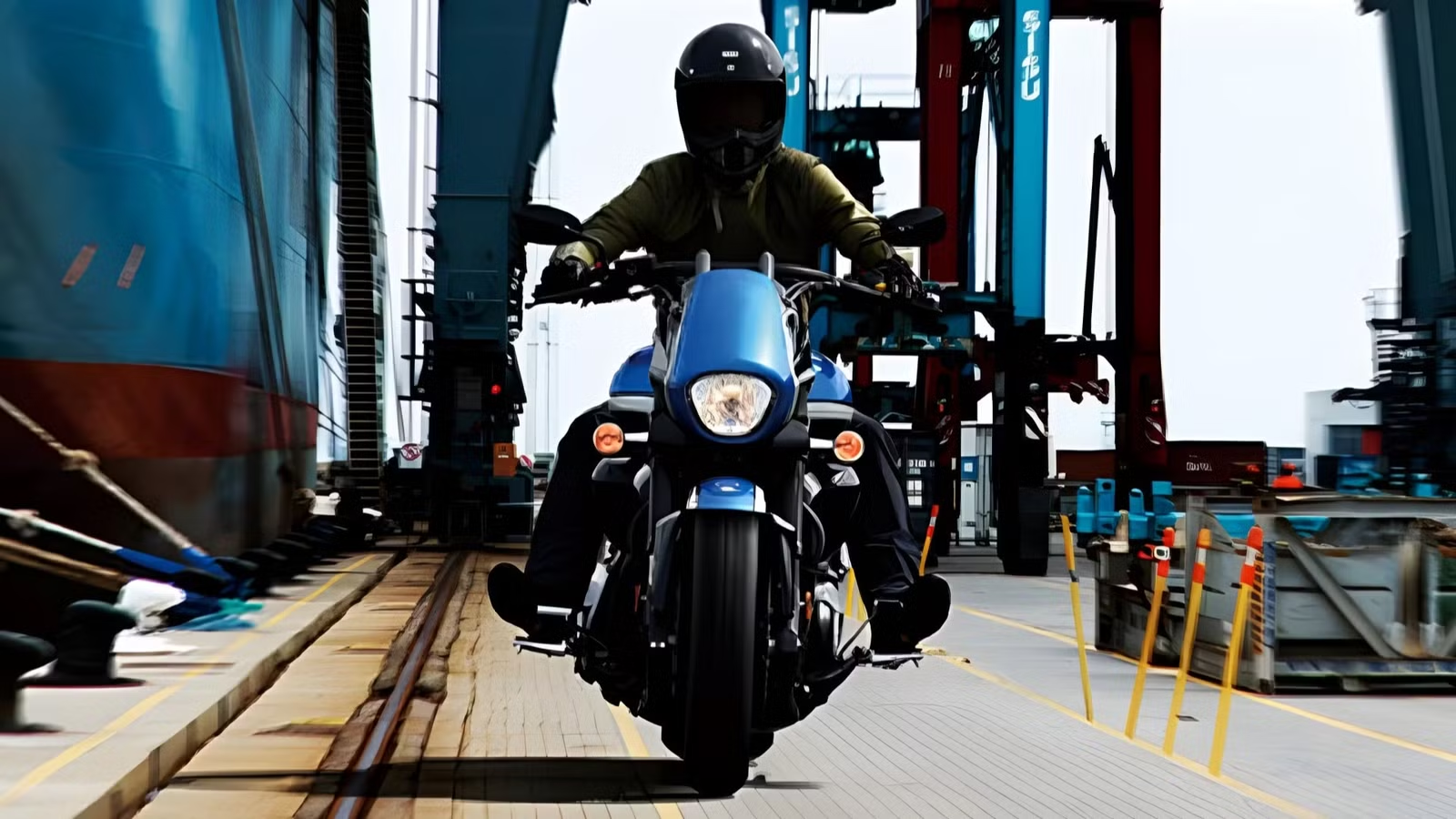
Cruiser motorcycles have always been about delivering a comfortable, relaxed riding experience with an engine that delivers loads of torque. However, they have become a lot more complicated. Ride modes, TFT screens, and a bunch of other electronics have taken away the simple, tactile riding feel that plenty of riders seek in cruisers. So for riders seeking low-end power combined with straightforward mechanical systems, they need to look at bikes that provide engineering simplicity rather than complex electronic rider aids. Here’s one such Japanese cruiser that exemplifies this design philosophy.
The Suzuki Boulevard M109R Is A Muscle Cruiser That Ignores The Tech Trend

The Suzuki Boulevard M109R has been on sale for close to two decades, and Suzuki has changed it very little in that time. While many rivals have added larger displays and electronic rider aids, the M109R takes a simpler approach. This bike is still on sale with limited changes, which gives buyers a clear idea of what they are getting. It is a low, long muscle cruiser with imposing presence. Essentially, Suzuki is offering a simple package that includes a powerful engine and a straightforward chassis, rather than a machine with a long equipment list.
The 1,783cc V-Twin Engine Pulls Without Much Fuss

Powering the M109R is a 1,783cc liquid-cooled, DOHC, 54-degree V-twin. Suzuki claims that this motorcycle gets one of the largest pistons in a production motorcycle – a pair of 112 mm forged aluminum-alloy pistons. The engine produces 129 horsepower and 118 pound-feet of torque at 3,200 RPM. With peak torque coming in at low revs, the engine is aimed at delivering a strong pull at moderate revs. Liquid cooling keeps temperatures in check, and Suzuki’s SCEM cylinder lining is designed to improve heat transfer, which matters in slow traffic and hot weather.
Sporty Suspension Helps Improve Handling


Weighing in at 764 pounds, the Boulevard M109R isn’t the lightest motorcycle. And with a 240-section rear tire, the widest that had been fitted to a motorcycle at the time, it may not seem particularly agile. However, Suzuki has managed to balance it out. The M109R gets a double-cradle frame with USD forks and cast alloy wheels.
Its front-end essentially comes from the iconic GSX-R1000, meaning sporty intentions are thoroughly present. As for brakes, the bike gets radially mounted dual front calipers and a single rear disc. Elsewhere, the semi-dry sump design allows the engine to sit lower, keeping the center of gravity down. So, the motorcycle feels heavier at low-speed turns, but remains stable at high-speed cruising. What makes life easier to ride at low speeds is its 27.8-inch seat height.
Suzuki Skips The Electronics To Keep Ownership Simple

Unlike modern cruisers, the Boulevard M109R opts out of the technology race. No ride modes, no ride-by-wire throttle, and no TFT displays. You get an instrument cluster with an analog speedometer that includes an LCD, dual trip meters, a fuel gauge, and a clock. This is paired with a digital tachometer and gear-position indicator. This equipment covers the basics that a rider needs. The cable-operated throttle also gives a more direct mechanical connection. The only trade-off is the lack of traction control and ride modes, which could come in handy in wet conditions.
The Suzuki Boulevard M109R Delivers Impressive Power-To-Price Value

With a price tag starting from $15,799, you get a big, torquey engine for the money. Rivals like the 2026 Harley-Davidson Sportster S cost $200 more, and the Indian 101 Scout costs $1,200 more than the Suzuki. While they are built with a different approach, the Suzuki offers a bigger, more powerful engine for less money.
Its simple design could mean low running costs over time as well. Thus, for riders who want a modern, tech-loaded motorcycle, the M109R Boulevard may not serve the right purpose. But for riders looking for a big engine and a simple package, the Boulevard delivers ample performance for your buck.
Why Torque Still Holds More Value Than Tech For Some Riders

While motorcycles have evolved with loads of tech, riders still want a cruiser that gets the basics right. While a low seat and relaxed ergonomics are still present, not all bikes offer the same low-end grunt. A big engine pulling hard from low revs is what you need, making overtakes feel easy.
Ride modes and cornering aids have their place in proper touring motorcycles, but cruisers don’t necessarily need that. What most riders want is a motorcycle that delivers smooth, linear power and starts every morning without much fuss. The lack of sensors and complex electronics means fewer issues to concern the owner, allowing for a better riding experience.
Source: Suzuki Cycles

Related posts

Latest Post


No Comments