
The Yamaha Sport Tourer That Feels Built For Riders Over 40
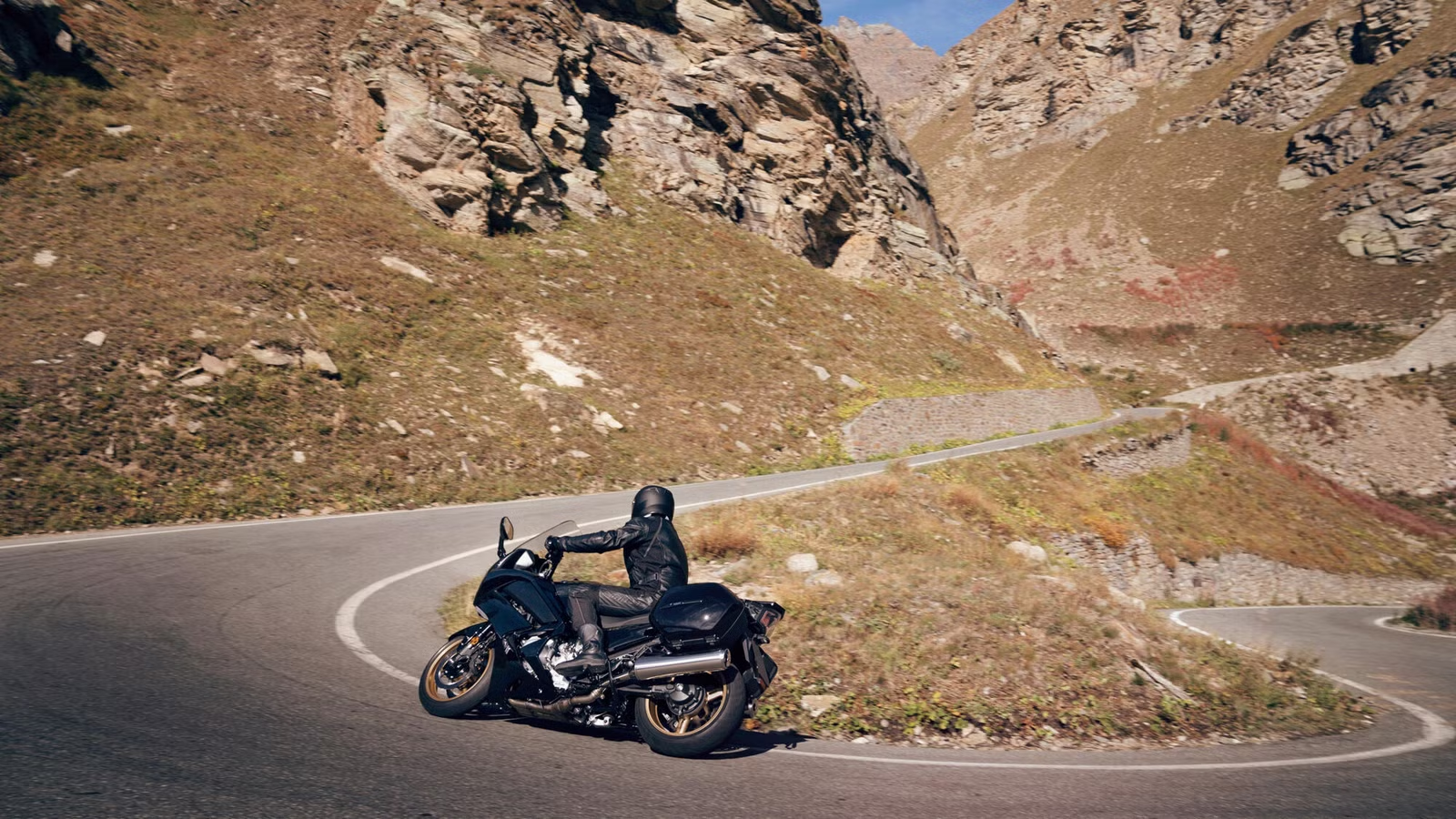
Turning 40 rarely changes how much a rider loves the road. The pull of a fast sweeper is still there, and so is the urge to point the motorcycle somewhere new and just keep going. What changes is what your body will put up with to do both. Hours in a tuck now show up in your lower back, and a heavy clutch in traffic wears out your left hand long before the day is done. That’s where a Yamaha sports tourer earns its place. It keeps enough edge for the sweepers and enough comfort for the long haul, so you no longer have to choose between them.
Why Sport Tourers Suit The Rider You Are After 40

Past 40, a great ride is measured less by top speed and more by how good you still feel when you climb off. That’s exactly what a sports tourer is built around. Many share their engines with sports bike siblings, but the tuning moves the muscle from the top of the rev range to the middle, where real-world riding happens.
The rest of the package keeps you fresh where a sports bike would wear you out. A full fairing and adjustable windscreen push the wind off your chest and shoulders, and taller bars take the load off your wrists. A big tank cuts down on fuel stops, while hard luggage makes room for a week away, passenger included. Cruise control, heated grips, and adjustable suspension make long days easier still. And because it’s lighter than a heavyweight tourer and leans further, the twisty roads stay as much fun as they were at 25.
The Yamaha FJR1300ES Is The Sport Tourer That Rides Easier With Every Mile
Price Range: $10,000 – $13,000


If any sport tourer reads like it was drawn up around a rider past 40, it’s Yamaha’s FJR1300ES. It has the pace to make a good road come alive, but everything around that pace is aimed at the person in the saddle. The suspension, riding position, and windscreen all adjust to the rider and the load, while shaft drive takes chain maintenance off the to-do list entirely. Standard hard luggage and heated grips round out the package, making the FJR a natural fit for the long days most riders want more of after 40.
Yamaha stopped selling the FJR1300ES in the US after the 2024 model year, when it cost $18,299 new. Buying one now means either tracking down leftover new stock at a dealer or going used, and the used route is where the value lies. Current listings put many 2017 to 2020 examples at roughly $10,000 to $13,000, depending on mileage and condition, and 2021 models can still be found for under $15,000.
An Inline-Four That Delivers Speed Without Strain

At the heart of the FJR1300ES is Yamaha’s 1,298cc inline-four, good for 142 horsepower and a meaty 101 pound-feet of torque. Those are big numbers for a bike built to cross states, but the real story is how that power is delivered. Rather than saving its punch for the top of the rev range, the FJR serves up its muscle in the midrange, where a rider who has stopped chasing redlines actually uses it.
That easygoing nature carries over to the highway. A tall sixth gear keeps revs low at cruising speed for more relaxed cruising. Pair that with a 6.6-gallon tank and Yamaha’s estimated 36 mpg, and the FJR can cover well over 200 miles between fuel stops on paper. For a rider who wants to spend the day riding rather than refueling, that range goes a long way.
A Chassis And Riding Position That Respects An Experienced Body

The FJR1300ES rides on an aluminum frame with a long swingarm, but the part your body will appreciate most is the suspension. The ES adjusts it electronically at both ends, with presets for riding solo or two-up, with or without luggage, plus fine-tuning for how firm or soft it rides. The riding position adapts too. The seat moves between 31.7 and 32.5 inches without tools, and the handlebar can be set in three positions to change how far you reach for the grips. Panels on the side of the fairing can be adjusted to let more or less air reach your legs, and a vent below the instruments is designed to reduce buffeting. At 642 pounds wet, the FJR asks for some care at walking pace and in tight parking lots.
The Electronics Are Built Around Long Haul Comfort

The FJR has gone without a major update for years, yet its feature list still covers almost everything a long day in the saddle calls for. The cockpit keeps things simple, with an analog tachometer flanked by LCD screens for speed, riding mode, and trip information. Cruise control and traction control come standard, and two throttle modes let you choose between a softer or sharper response. Heated grips, an electrically adjustable windscreen, hard saddlebags, and a storage pocket in the fairing handle the touring duties, while linked brakes with ABS and cornering lights add confidence after dark. Being an older design, though, it lacks lean-sensitive ABS, a color display, and smartphone connectivity, all of which newer rivals offer.
Yamaha Badge Eases Ownership, Too

The FJR has a serious reputation for durability. Its inline-four runs a mild state of tune, and owner forums are full of examples that have passed 100,000 miles without major engine work. Upkeep is light, too. Shaft drive does away with chain maintenance, oil changes come every 4,000 miles or six months, and valve checks are needed only every 26,600 miles. However, some older bikes have shown cam-chain-tensioner and electrical issues, so a documented service history matters more than the odometer reading.
Weighing The FJR1300ES Against Its Closest Rivals

The Kawasaki Concours 14 is the FJR’s closest match, with a bigger inline-four and shaft drive, but it weighs more. The BMW R 1250 RT is lighter and also shaft-driven, though it costs more and offers electronic suspension only as an option. The Suzuki GSX-S1000GT is around 144 pounds lighter and adds a color display and smartphone connectivity, but it runs a chain and leans more toward sport than touring.
The FJR1300ES counters with standard electronic suspension, adjustable ergonomics, hard luggage, shaft drive, and proven reliability at a used price well below its original sticker. For a rider over 40 who wants to go fast and far without paying for it the next morning, that’s a strong case.
Source: Yamaha

Related posts
Latest Post


No Comments